THE ADVENTURE COLLECTIVE® · Independent discovery and booking for outdoor travel

Rise with the sun over Cappadocia and watch the valleys, fairy chimneys, and cave dwellings unfold beneath a fleet of colorful balloons. This one-hour sunrise flight offers intimate geological and historical perspectives, plus practical tips to make the most of your adventure.
Rise with the sun over Cappadocia and watch the valleys, fairy chimneys, and cave dwellings unfold beneath a fleet of colorful balloons. This one-hour sunrise flight offers intimate geological and historical perspectives, plus practical tips to make the most of your adventure.
Dawn in Cappadocia arrives in color and motion: the valley exhales cool air, pockets of fog lift like slow-breathing currents, and scores of balloons inflate along the plain. Climbing into a wicker basket, you feel the burner’s pulse and the land below rearrange — conical rock spires, orchards, and the honeycombed scars of ancient dwellings slide beneath you like pages in a slow-moving atlas.
Verified experiences and guided adventures in the surrounding area.
Dawn in Cappadocia arrives in color and motion: the valley exhales cool air, pockets of fog lift like slow-breathing currents, and scores of balloons inflate along the plain. Climbing into a wicker basket, you feel the burner’s pulse and the land below rearrange — conical rock spires, orchards, and the honeycombed scars of ancient dwellings slide beneath you like pages in a slow-moving atlas.
The region’s geology is volcanic: soft tuff carved by wind and water into ‘fairy chimneys’ over millennia. Humans repurposed those formations early on — Hittite, Roman, and Byzantine occupants hollowed rock for homes, churches, and underground cities used as hideouts during invasions. The view from a balloon puts that layered history into scale: erosion’s hand, agricultural terraces, and cave façades reading like chapters across the valley.
Culturally, ballooning sits alongside a long tradition of flight and trade in central Anatolia; today local pilots balance tourism with strict safety and environmental rules. Expect calm, early-morning conditions at lift-off; flights usually hover low for close-up views and then soar for wide panoramas.
Practical guidance: arrive 45–60 minutes before sunrise for briefing and transfers; dress in layers for chilly morning air and a warmer landing. Wear sturdy shoes—landings can be jostling. Bring a compact camera and keep lenses handy; handheld smartphones work but use wrist straps. Most flights last about an hour in the air with an overall experience closer to 2–3 hours including transport and briefings. Book early in high season—operators run multiple flights per morning but weather can cancel; choose licensed providers and review cancellation policies.
The in-air time is typically about 60 minutes, with the whole experience—transfers and briefings—lasting 2–3 hours.
Reputable operators offer refunds or rebooking on the next available morning; check the supplier’s cancellation policy before booking.
Many operators allow children and older adults if they can stand and follow instructions; confirm age and weight limits with the company.
Large luggage can’t go on the balloon; leave oversized bags at your hotel or on the tour vehicle during the flight.
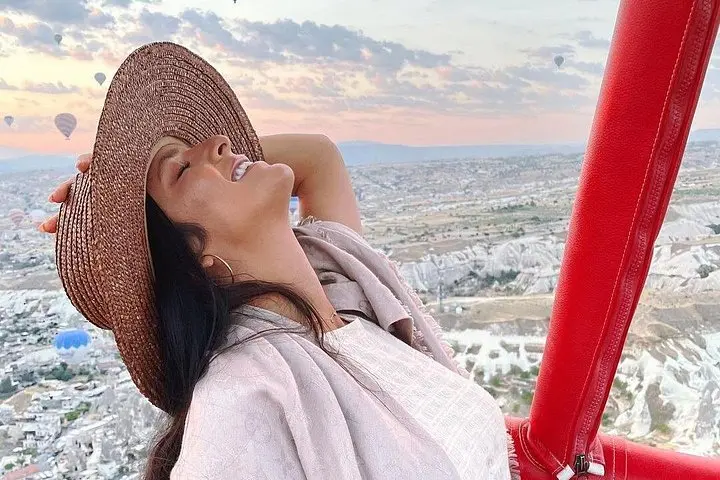
Dawn in Cappadocia arrives in color and motion: the valley exhales cool air, pockets of fog lift like slow-breathing currents, and scores of balloons inflate along the plain. Climbing into a wicker basket, you feel the burner’s pulse and the land below rearrange — conical rock spires, orchards, and the honeycombed scars of ancient dwellings slide beneath you like pages in a slow-moving atlas.
Dawn in Cappadocia arrives in color and motion: the valley exhales cool air, pockets of fog lift like slow-breathing currents, and scores of balloons inflate along the plain. Climbing into a wicker basket, you feel the burner’s pulse and the land below rearrange — conical rock spires, orchards, and the honeycombed scars of ancient dwellings slide beneath you like pages in a slow-moving atlas.
The region’s geology is volcanic: soft tuff carved by wind and water into ‘fairy chimneys’ over millennia. Humans repurposed those formations early on — Hittite, Roman, and Byzantine occupants hollowed rock for homes, churches, and underground cities used as hideouts during invasions. The view from a balloon puts that layered history into scale: erosion’s hand, agricultural terraces, and cave façades reading like chapters across the valley.
Culturally, ballooning sits alongside a long tradition of flight and trade in central Anatolia; today local pilots balance tourism with strict safety and environmental rules. Expect calm, early-morning conditions at lift-off; flights usually hover low for close-up views and then soar for wide panoramas.
Practical guidance: arrive 45–60 minutes before sunrise for briefing and transfers; dress in layers for chilly morning air and a warmer landing. Wear sturdy shoes—landings can be jostling. Bring a compact camera and keep lenses handy; handheld smartphones work but use wrist straps. Most flights last about an hour in the air with an overall experience closer to 2–3 hours including transport and briefings. Book early in high season—operators run multiple flights per morning but weather can cancel; choose licensed providers and review cancellation policies.