THE ADVENTURE COLLECTIVE® · Independent discovery and booking for outdoor travel

Float over Luxor at sunrise, then spend a full day walking the Valley of the Kings, Hatshepsut’s temple, Karnak and Luxor Temples. This combo pairs a peaceful aerial perspective with expert-guided archaeology on the ground.
Float over Luxor at sunrise, then spend a full day walking the Valley of the Kings, Hatshepsut’s temple, Karnak and Luxor Temples. This combo pairs a peaceful aerial perspective with expert-guided archaeology on the ground.
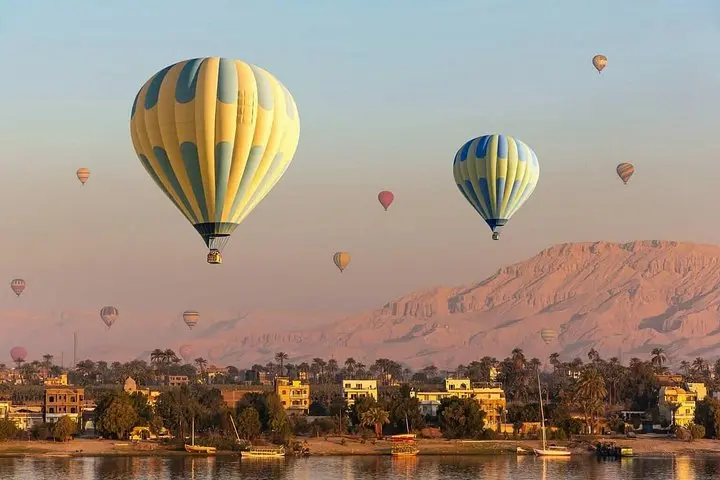
The basket lifts as dawn breaks over the Nile floodplain, and Luxor spreads out below like a map written in stone. Palm groves and narrow felucca-pocked channels compress into patches of green; beyond them, the West Bank’s cliffs catch the first light. For 45 minutes you float high enough to watch the sun pull color from the tombs and temples, the Valley of the Kings shrinking into a precise grid of shafts and courtyards.
Verified experiences and guided adventures in the surrounding area.
Operated by Egypt Best Day Tours · Luxor, Luxor Governorate
The basket lifts as dawn breaks over the Nile floodplain, and Luxor spreads out below like a map written in stone. Palm groves and narrow felucca-pocked channels compress into patches of green; beyond them, the West Bank’s cliffs catch the first light. For 45 minutes you float high enough to watch the sun pull color from the tombs and temples, the Valley of the Kings shrinking into a precise grid of shafts and courtyards.
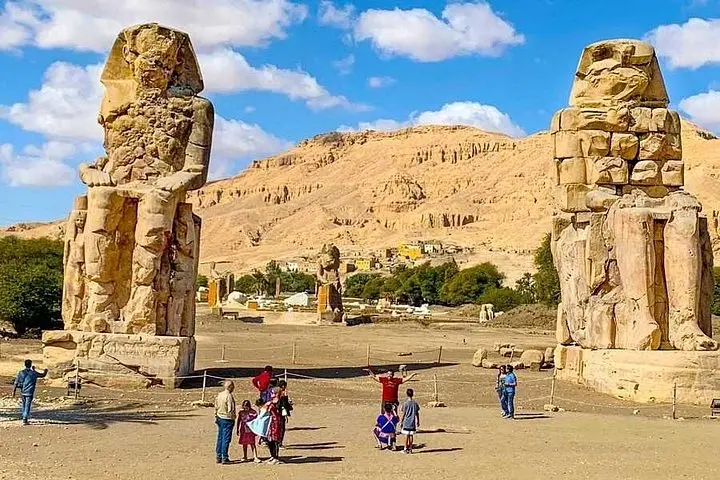
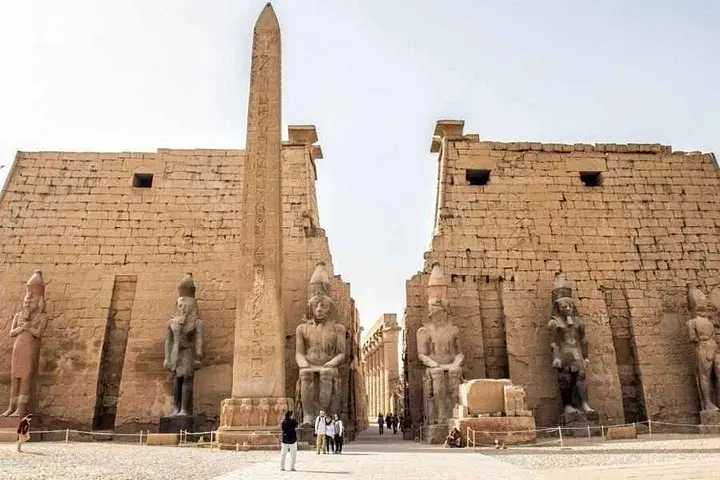
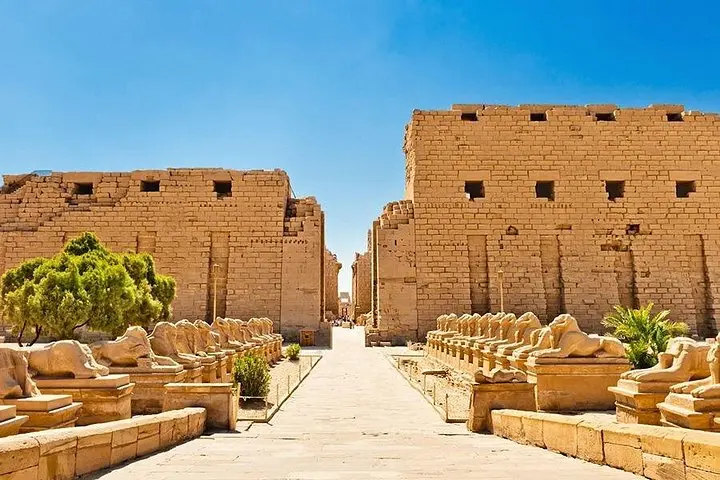
This combined experience pairs the aerial calm of a morning balloon with a full day on the ground: Valley of the Kings, Hatshepsut’s terraced temple at Deir el-Bahari, Karnak’s avenue of massive columns and obelisks, and the Luxor Temple’s river-facing colonnades. Geologically, the West Bank cliffs are limestone and sandstone carved by millennia of wind and flood; culturally, this corridor served as Thebes, the ceremonial capital where New Kingdom pharaohs staged death and rebirth.
Expect guided context at each site—hieroglyphic panels, funerary chambers, and the scale of royal architecture are easier to absorb after an aerial orientation. Practicalities: tours typically start before sunrise with hotel pickup, include a light breakfast, bottled water, and lunch, and require walking on uneven stone floors and stairways. Sunscreen, a sun hat, layered clothing for cool mornings and hot afternoons, and comfortable, grippy shoes will keep the day easy. Photographers should bring extra batteries; battery performance can be affected by early-morning chill.
Timing your visit in cooler months makes both ballooning and temple visits more comfortable; be prepared for crowds at major tombs and optional visits to Tutankhamun’s tomb if you want to skip lines.
Operators follow standard safety protocols; flights are weather-dependent and led by licensed pilots—listen to the briefing and follow crew instructions.
No technical experience is required; boarding is low-impact, but you should be able to step into a basket and stand for the flight.
The tour lists guided visits but many tomb entrance fees (and photography permits) can be extra—confirm which admissions are covered at booking.
Carry a valid ID/passport, sun protection, comfortable shoes, a refillable water bottle, and any required cash for optional tickets or tips.
Egypt Best Day Tours operates guided outdoor trips and adventures with an emphasis on safety, stewardship, and memorable experiences.
The basket lifts as dawn breaks over the Nile floodplain, and Luxor spreads out below like a map written in stone. Palm groves and narrow felucca-pocked channels compress into patches of green; beyond them, the West Bank’s cliffs catch the first light. For 45 minutes you float high enough to watch the sun pull color from the tombs and temples, the Valley of the Kings shrinking into a precise grid of shafts and courtyards.
The basket lifts as dawn breaks over the Nile floodplain, and Luxor spreads out below like a map written in stone. Palm groves and narrow felucca-pocked channels compress into patches of green; beyond them, the West Bank’s cliffs catch the first light. For 45 minutes you float high enough to watch the sun pull color from the tombs and temples, the Valley of the Kings shrinking into a precise grid of shafts and courtyards.
This combined experience pairs the aerial calm of a morning balloon with a full day on the ground: Valley of the Kings, Hatshepsut’s terraced temple at Deir el-Bahari, Karnak’s avenue of massive columns and obelisks, and the Luxor Temple’s river-facing colonnades. Geologically, the West Bank cliffs are limestone and sandstone carved by millennia of wind and flood; culturally, this corridor served as Thebes, the ceremonial capital where New Kingdom pharaohs staged death and rebirth.
Expect guided context at each site—hieroglyphic panels, funerary chambers, and the scale of royal architecture are easier to absorb after an aerial orientation. Practicalities: tours typically start before sunrise with hotel pickup, include a light breakfast, bottled water, and lunch, and require walking on uneven stone floors and stairways. Sunscreen, a sun hat, layered clothing for cool mornings and hot afternoons, and comfortable, grippy shoes will keep the day easy. Photographers should bring extra batteries; battery performance can be affected by early-morning chill.
Timing your visit in cooler months makes both ballooning and temple visits more comfortable; be prepared for crowds at major tombs and optional visits to Tutankhamun’s tomb if you want to skip lines.