THE ADVENTURE COLLECTIVE® · Independent discovery and booking for outdoor travel

Rise above ancient Thebes on a private hot air balloon at sunrise for panoramic views of Karnak, Hatshepsut’s mortuary temple, and the Nile floodplain. This private East Bank flight pairs aerial perspective with an informed guide for context and photo opportunities.
Rise above ancient Thebes on a private hot air balloon at sunrise for panoramic views of Karnak, Hatshepsut’s mortuary temple, and the Nile floodplain. This private East Bank flight pairs aerial perspective with an informed guide for context and photo opportunities.
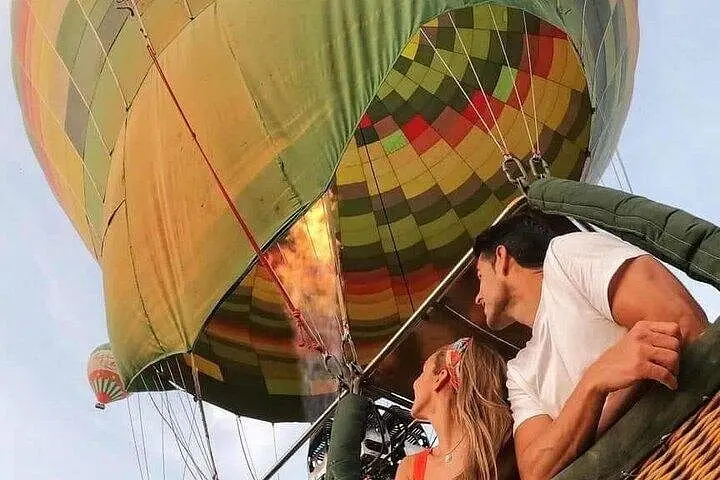
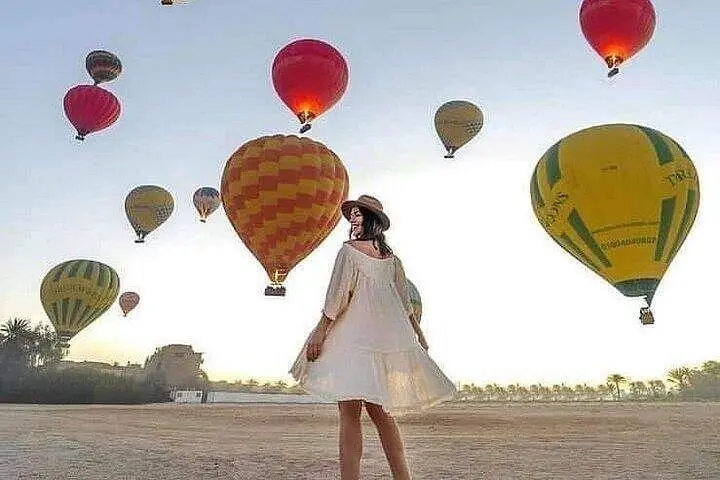
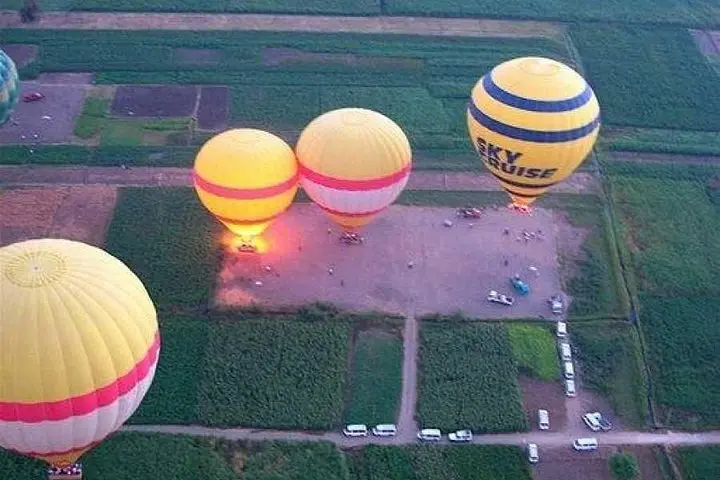
At first light the balloon envelope swells beside the Nile, burners snapping against cool desert air as the basket takes shape and passengers step aboard. Below, Luxor’s monuments resolve into silhouettes—Karnak’s pylons, the terraces of Queen Hatshepsut’s mortuary temple, and the green ribbon of the Nile threading between palm groves and pale limestone ridges.
Verified experiences and guided adventures in the surrounding area.
Operated by Goto Egypt Tours · Luxor, Luxor Governorate
At first light the balloon envelope swells beside the Nile, burners snapping against cool desert air as the basket takes shape and passengers step aboard. Below, Luxor’s monuments resolve into silhouettes—Karnak’s pylons, the terraces of Queen Hatshepsut’s mortuary temple, and the green ribbon of the Nile threading between palm groves and pale limestone ridges.
From 300–600 metres the landscape reads like layers of history and geology: alluvial fields on the floodplain, sedimentary limestone cliffs carved for tombs on the West Bank, and the built record of New Kingdom power visible in aligned avenues and obelisks. A private guide narrates while the pilot finds the calm air; the flight turns the city into an archaeological map, with crews and early-morning market stalls shrinking to moving dots.
Local culture arrives with the light—fishermen on the riverbank, donkeys on service roads, and vendors opening stalls along the corniche. Raptors quarter the thermals; occasional Nile monitor lizards warm on exposed stones near temple ruins.
Practical guidance: the airborne portion is typically 45–50 minutes inside a 3–4 hour window for pickup, inflation and return. Dress in layers for pre-dawn chill and bring sturdy, closed-toe shoes for basket entry; a mid-range zoom and a strap will improve photos. Flights run best in calmer seasons (Oct–Apr); operators will cancel in gusty or unsafe conditions—build a buffer morning into your itinerary. Follow crew instructions during landing, keep a light hand with flash photography around archaeological zones, and treat the monuments below with care to preserve them for future visitors.
The airborne portion is usually 45–50 minutes; total tour time including pickup, inflation and return is about 3–4 hours.
Operators monitor conditions closely and will cancel or reschedule flights in gusty or unsafe weather—refund and rebooking policies vary by provider.
Children can ride but infants often must sit on an adult's lap; accessibility varies—check the operator’s pickup and basket entry assistance and note it’s not recommended for pregnant guests or those with serious heart conditions.
Most private flights include hotel pickup, bottled water, light refreshments, and a flight certificate or souvenir—confirm inclusions at booking.
Goto Egypt Tours operates guided outdoor trips and adventures with an emphasis on safety, stewardship, and memorable experiences.
At first light the balloon envelope swells beside the Nile, burners snapping against cool desert air as the basket takes shape and passengers step aboard. Below, Luxor’s monuments resolve into silhouettes—Karnak’s pylons, the terraces of Queen Hatshepsut’s mortuary temple, and the green ribbon of the Nile threading between palm groves and pale limestone ridges.
At first light the balloon envelope swells beside the Nile, burners snapping against cool desert air as the basket takes shape and passengers step aboard. Below, Luxor’s monuments resolve into silhouettes—Karnak’s pylons, the terraces of Queen Hatshepsut’s mortuary temple, and the green ribbon of the Nile threading between palm groves and pale limestone ridges.
From 300–600 metres the landscape reads like layers of history and geology: alluvial fields on the floodplain, sedimentary limestone cliffs carved for tombs on the West Bank, and the built record of New Kingdom power visible in aligned avenues and obelisks. A private guide narrates while the pilot finds the calm air; the flight turns the city into an archaeological map, with crews and early-morning market stalls shrinking to moving dots.
Local culture arrives with the light—fishermen on the riverbank, donkeys on service roads, and vendors opening stalls along the corniche. Raptors quarter the thermals; occasional Nile monitor lizards warm on exposed stones near temple ruins.
Practical guidance: the airborne portion is typically 45–50 minutes inside a 3–4 hour window for pickup, inflation and return. Dress in layers for pre-dawn chill and bring sturdy, closed-toe shoes for basket entry; a mid-range zoom and a strap will improve photos. Flights run best in calmer seasons (Oct–Apr); operators will cancel in gusty or unsafe conditions—build a buffer morning into your itinerary. Follow crew instructions during landing, keep a light hand with flash photography around archaeological zones, and treat the monuments below with care to preserve them for future visitors.