THE ADVENTURE COLLECTIVE® · Independent discovery and booking for outdoor travel

Float over Luxor at first light and watch temples, tombs and the Nile unfurl beneath you. This 40–60 minute sunrise balloon flight offers a rare aerial perspective on the West Bank’s historic funerary landscape—book early and pack layers.
Float over Luxor at first light and watch temples, tombs and the Nile unfurl beneath you. This 40–60 minute sunrise balloon flight offers a rare aerial perspective on the West Bank’s historic funerary landscape—book early and pack layers.
Dawn comes slowly over the Nile floodplain, and the balloon slips upward like a slow-breathing giant. From the basket, the West Bank unrolls beneath you: low desert ridges, the ochre roofs of worker villages, and the shadowed cut of tomb entrances. The sun edges up and gilds temple pylons—columns and courtyards that first met light millennia ago—while the Nile gleams and seems to dare you to look away.
Verified experiences and guided adventures in the surrounding area.
Operated by Happy Egypt Travel Services · Luxor, Luxor Governorate
Dawn comes slowly over the Nile floodplain, and the balloon slips upward like a slow-breathing giant. From the basket, the West Bank unrolls beneath you: low desert ridges, the ochre roofs of worker villages, and the shadowed cut of tomb entrances. The sun edges up and gilds temple pylons—columns and courtyards that first met light millennia ago—while the Nile gleams and seems to dare you to look away.
Luxor’s West Bank has been Egypt’s mortuary landscape since the New Kingdom. This flight traces the outline of pharaonic funerary practices—Valley of the Kings’ rock-cut tombs, the mortuary temples of Rameses and Hatshepsut, and later Coptic and Ottoman traces along the floodplain. Geologically, the contrast is stark: the soft limestone of the Valley, eroded by wind and time, sits beside the agricultural ribbon of the Nile, still shaping local life.
Culturally, locals rise before sunrise; you’ll pass clusters of date palms and the occasional shepherd tending goats. Operators typically include hotel pickup, a short transfer to the lift field, a 40–60 minute flight and a light refreshment on landing—expect a three-hour window from pickup to return.
Practical notes: weather governs flights—companies cancel in stronger winds or poor visibility—so book early in your stay and plan flexibility. Wear layered clothing: the air is cold at altitude before it warms quickly. Bring a small, secure camera; lenses that handle bright, low-angle sun will reward you. Mobility is moderate—boarding requires stepping into a basket and standing for the duration—so heed medical restrictions. The reward is literal: a slow, measured sweep over ancient stone and the living Nile that shaped it.
The airborne portion typically lasts 40–60 minutes; the full experience including transfers is about three hours.
Flights focus on the West Bank sites and the Nile; on calm days pilots may extend the route toward the East Bank but routes vary with wind and permissions.
Infants must sit on an adult’s lap; operators set age and safety rules—check at booking and expect limits for very young children.
Operators usually cancel in unsafe wind or poor visibility—most offer full refunds if you cancel at least 24 hours prior or if the provider cancels for weather.
Happy Egypt Travel Services operates guided outdoor trips and adventures with an emphasis on safety, stewardship, and memorable experiences.
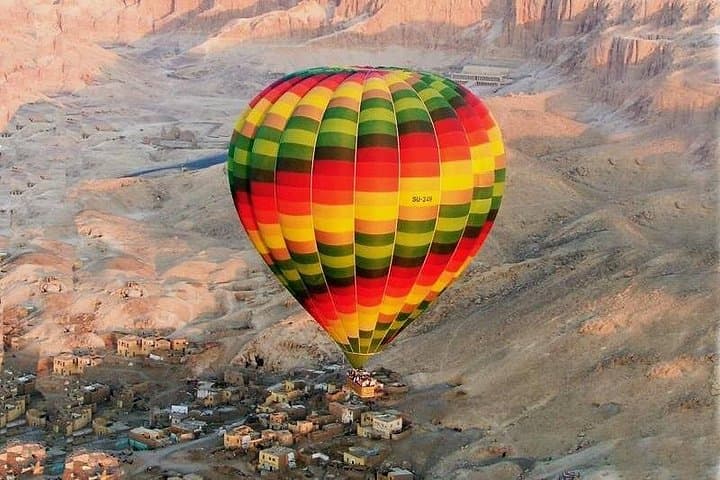
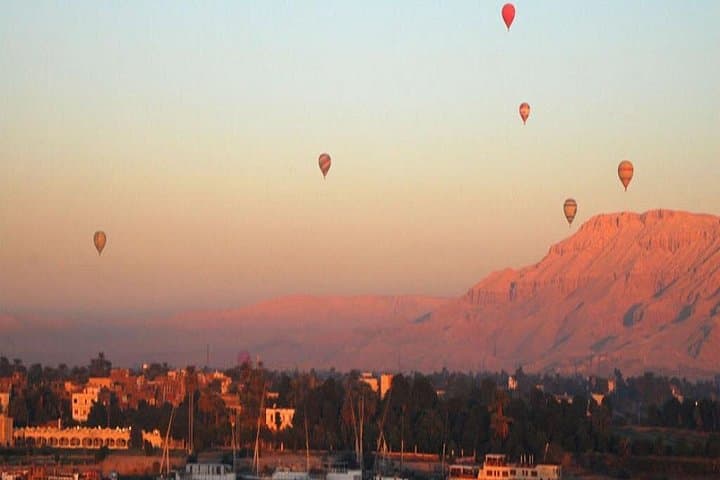
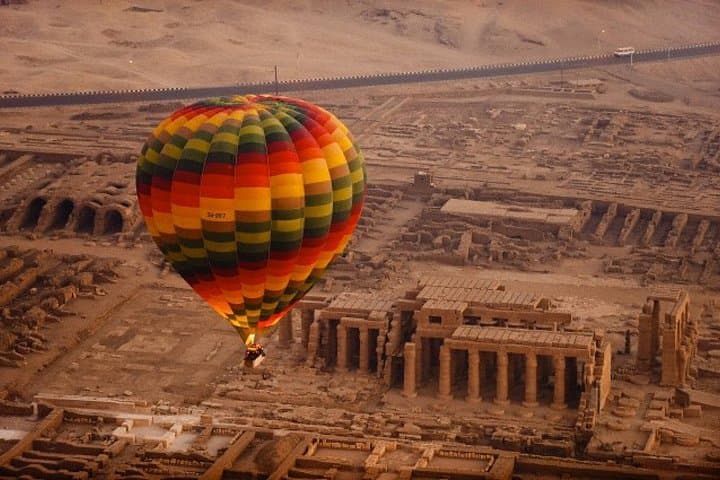
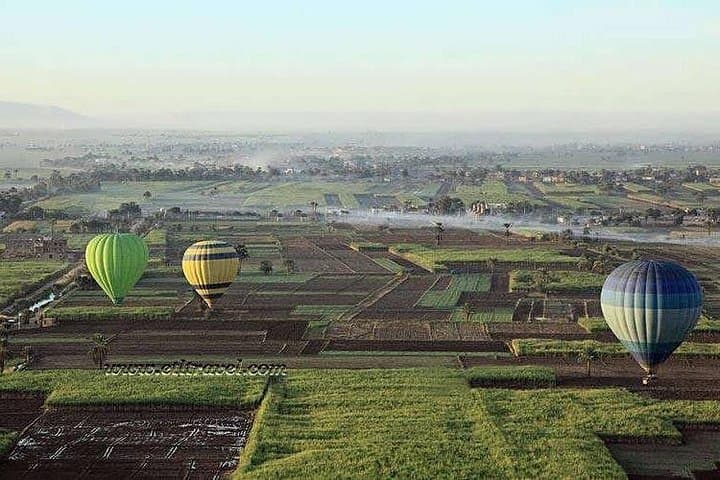
Dawn comes slowly over the Nile floodplain, and the balloon slips upward like a slow-breathing giant. From the basket, the West Bank unrolls beneath you: low desert ridges, the ochre roofs of worker villages, and the shadowed cut of tomb entrances. The sun edges up and gilds temple pylons—columns and courtyards that first met light millennia ago—while the Nile gleams and seems to dare you to look away.
Dawn comes slowly over the Nile floodplain, and the balloon slips upward like a slow-breathing giant. From the basket, the West Bank unrolls beneath you: low desert ridges, the ochre roofs of worker villages, and the shadowed cut of tomb entrances. The sun edges up and gilds temple pylons—columns and courtyards that first met light millennia ago—while the Nile gleams and seems to dare you to look away.
Luxor’s West Bank has been Egypt’s mortuary landscape since the New Kingdom. This flight traces the outline of pharaonic funerary practices—Valley of the Kings’ rock-cut tombs, the mortuary temples of Rameses and Hatshepsut, and later Coptic and Ottoman traces along the floodplain. Geologically, the contrast is stark: the soft limestone of the Valley, eroded by wind and time, sits beside the agricultural ribbon of the Nile, still shaping local life.
Culturally, locals rise before sunrise; you’ll pass clusters of date palms and the occasional shepherd tending goats. Operators typically include hotel pickup, a short transfer to the lift field, a 40–60 minute flight and a light refreshment on landing—expect a three-hour window from pickup to return.
Practical notes: weather governs flights—companies cancel in stronger winds or poor visibility—so book early in your stay and plan flexibility. Wear layered clothing: the air is cold at altitude before it warms quickly. Bring a small, secure camera; lenses that handle bright, low-angle sun will reward you. Mobility is moderate—boarding requires stepping into a basket and standing for the duration—so heed medical restrictions. The reward is literal: a slow, measured sweep over ancient stone and the living Nile that shaped it.