THE ADVENTURE COLLECTIVE® · Independent discovery and booking for outdoor travel

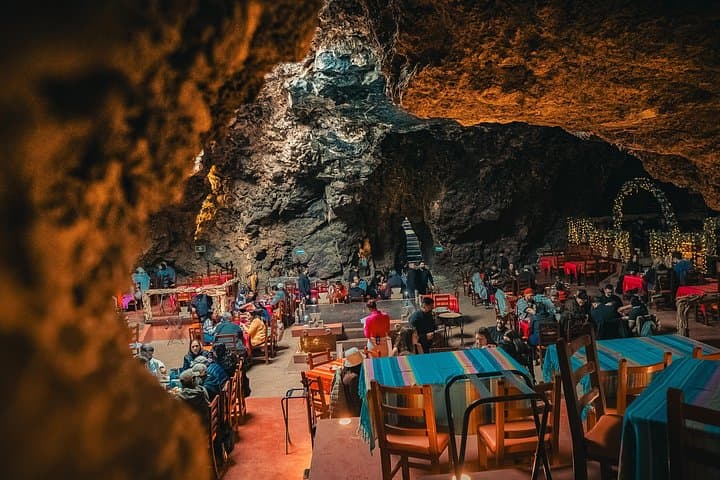
Float above Teotihuacan at first light, drink in sweeping views of the Pyramids of the Sun and Moon, then descend for a full Mexican breakfast in a natural cave with pre-Hispanic performance. This combo pairs a gentle aerial perspective with cultural immersion and ruins exploration.
Float above Teotihuacan at first light, drink in sweeping views of the Pyramids of the Sun and Moon, then descend for a full Mexican breakfast in a natural cave with pre-Hispanic performance. This combo pairs a gentle aerial perspective with cultural immersion and ruins exploration.
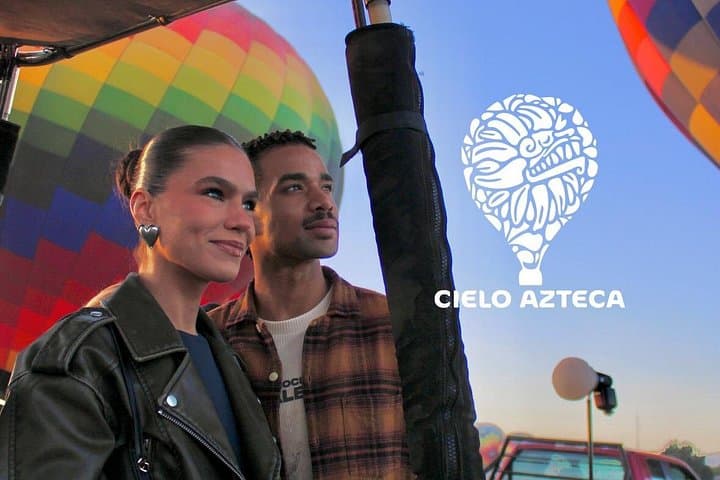
At first light the valley exhales and the balloon inflates like a slow breath, the wicker basket tilting as passengers climb in and the burner stutters to life. From the flight you rise above the Avenue of the Dead; the Pyramids of the Sun and Moon lay out below—massive geometry cut into the plain—while the wind nudges the canopy and the valley opens in every direction.
Verified experiences and guided adventures in the surrounding area.
Operated by Cielo Azteca · San Juan Teotihuacán, State of Mexico
At first light the valley exhales and the balloon inflates like a slow breath, the wicker basket tilting as passengers climb in and the burner stutters to life. From the flight you rise above the Avenue of the Dead; the Pyramids of the Sun and Moon lay out below—massive geometry cut into the plain—while the wind nudges the canopy and the valley opens in every direction.
Teotihuacan was one of pre-Columbian Mesoamerica’s largest cities, peaking between 100–700 CE; the stones you’ll glimpse from above are volcanic andesite and lime mortar, built by successive cultures and later revered by the Aztecs. Geologically the site sits on an old volcanic plateau east of Mexico City, the soil thin and stony, with scrubland and cultivated fields around the ruins. Local culture remains vivid: towns like San Martín de las Pirámides preserve artisan markets and pulque traditions you can sample after the flight.
Practical guidance: the experience is a half-hour of airborne silence followed by transfers and a celebratory breakfast in a natural underground cave with pre-Hispanic dances and optional tastings. Expect an early pickup from Mexico City (about 45 minutes), a safety briefing, and a roughly 60-minute float; total excursion time ranges from three to eight hours depending on transport. Dress in layered clothing for cool dawn conditions and bright midday sun, wear closed-toe shoes for uneven ground, and secure cameras with straps. Note: archaeological admission to walk the pyramids is not included and is typically paid on-site. Operators hold permits and run flights daily weather permitting—wind or low visibility will cancel for safety. This trip balances quiet airborne perspective with tangible cultural encounters on the ground, making it ideal for travelers who want both panorama and context.
The airborne portion is typically about 45–60 minutes; the full experience including transfers, briefing, and breakfast runs 3–8 hours depending on pickup location.
Round-trip pickup is available as an option—confirm at booking and provide your pickup point; travel time is about 45 minutes each way.
No—entrance to the Teotihuacan archaeological zone is generally paid on-site (around $5 USD) and is not included in the standard tour price.
Not recommended for pregnant travelers or those with serious cardiovascular issues; infants can ride on laps and operators maintain required flight permits and safety briefings.
Cielo Azteca operates guided outdoor trips and adventures with an emphasis on safety, stewardship, and memorable experiences.


At first light the valley exhales and the balloon inflates like a slow breath, the wicker basket tilting as passengers climb in and the burner stutters to life. From the flight you rise above the Avenue of the Dead; the Pyramids of the Sun and Moon lay out below—massive geometry cut into the plain—while the wind nudges the canopy and the valley opens in every direction.
At first light the valley exhales and the balloon inflates like a slow breath, the wicker basket tilting as passengers climb in and the burner stutters to life. From the flight you rise above the Avenue of the Dead; the Pyramids of the Sun and Moon lay out below—massive geometry cut into the plain—while the wind nudges the canopy and the valley opens in every direction.
Teotihuacan was one of pre-Columbian Mesoamerica’s largest cities, peaking between 100–700 CE; the stones you’ll glimpse from above are volcanic andesite and lime mortar, built by successive cultures and later revered by the Aztecs. Geologically the site sits on an old volcanic plateau east of Mexico City, the soil thin and stony, with scrubland and cultivated fields around the ruins. Local culture remains vivid: towns like San Martín de las Pirámides preserve artisan markets and pulque traditions you can sample after the flight.
Practical guidance: the experience is a half-hour of airborne silence followed by transfers and a celebratory breakfast in a natural underground cave with pre-Hispanic dances and optional tastings. Expect an early pickup from Mexico City (about 45 minutes), a safety briefing, and a roughly 60-minute float; total excursion time ranges from three to eight hours depending on transport. Dress in layered clothing for cool dawn conditions and bright midday sun, wear closed-toe shoes for uneven ground, and secure cameras with straps. Note: archaeological admission to walk the pyramids is not included and is typically paid on-site. Operators hold permits and run flights daily weather permitting—wind or low visibility will cancel for safety. This trip balances quiet airborne perspective with tangible cultural encounters on the ground, making it ideal for travelers who want both panorama and context.