THE ADVENTURE COLLECTIVE® · Independent discovery and booking for outdoor travel

Float above Teotihuacan at sunrise, then return to earth for a buffet breakfast, live dance, and a guided walk through the pyramids. This combined balloon-and-pyramid tour pairs an aerial vantage with local culture and archaeology—ideal for photographers and history-minded travelers.
Float above Teotihuacan at sunrise, then return to earth for a buffet breakfast, live dance, and a guided walk through the pyramids. This combined balloon-and-pyramid tour pairs an aerial vantage with local culture and archaeology—ideal for photographers and history-minded travelers.
Before dawn the field exhales—giant envelopes inflate like slow-breathing lungs while crews check ropes and burners. You stand on cool earth as the basket tilts upright and the pilot times the lift with the wind. As the balloon rises, the Avenue of the Dead and the geometric roofs of an ancient city slide into view; the pyramids of Teotihuacan emerge from morning mist and the first light turns volcanic stone to honey.
Verified experiences and guided adventures in the surrounding area.
Operated by ballons city · Teotihuacán, State of Mexico
Before dawn the field exhales—giant envelopes inflate like slow-breathing lungs while crews check ropes and burners. You stand on cool earth as the basket tilts upright and the pilot times the lift with the wind. As the balloon rises, the Avenue of the Dead and the geometric roofs of an ancient city slide into view; the pyramids of Teotihuacan emerge from morning mist and the first light turns volcanic stone to honey.
Teotihuacan was a pre-Columbian metropolis (circa 100–700 CE) whose Pyramid of the Sun and Pyramid of the Moon dominate a broad, volcanic plain. The terrain around the site is former lava and tuff; obsidian outcrops once fed a regional craft economy, and maguey plants still punctuate the scrub. Cultural threads survive in pulque and local dance—your post-flight breakfast often includes live folk or pre-Hispanic performances and tastings that explain obsidian and maguey uses.
Practically: flights last about 45–60 minutes in the air with a total tour time near five hours including hotel pickup from Mexico City (roughly a 45‑minute drive without traffic). Pilots cannot steer around wind patterns, so overflight of the pyramids is common but not guaranteed. The archaeological zone sits around 2,300 m elevation—hydrate and expect cooler temperatures at dawn. Bring layered clothing, a small camera, and your passport/ID for admission. Weather cancels flights; tours typically issue full refunds if conditions are unsafe.
This experience balances aerial perspective and grounded history—an hour above the valley followed by a guided walk through the same stones you just floated over.
The flight itself is typically 45–60 minutes; total tour time including transportation and activities is about five hours.
Pilots rely on wind direction, so there is a high chance of overflying the archaeological zone but it cannot be guaranteed on every flight.
Operators usually cancel for poor or unsafe weather and offer a full refund or rebooking; check the provider’s 24‑hour cancellation policy as well.
The activity is generally suitable for most ages, but those with spine, heart, or pregnancy concerns should avoid the flight; ask about mobility accommodations for ground portions.
ballons city operates guided outdoor trips and adventures with an emphasis on safety, stewardship, and memorable experiences.
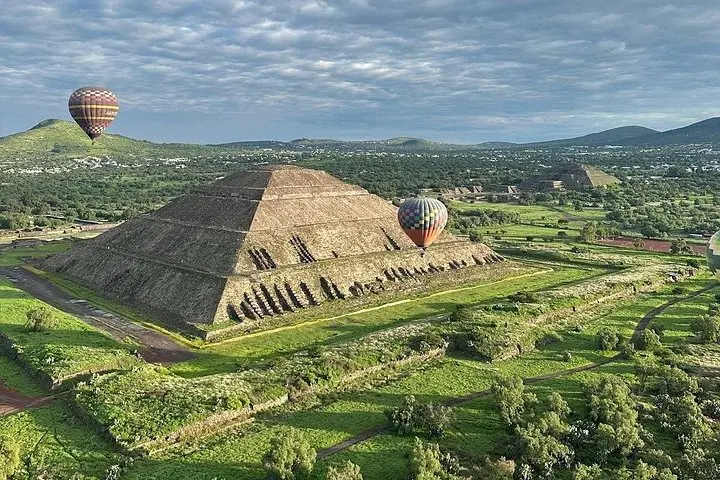
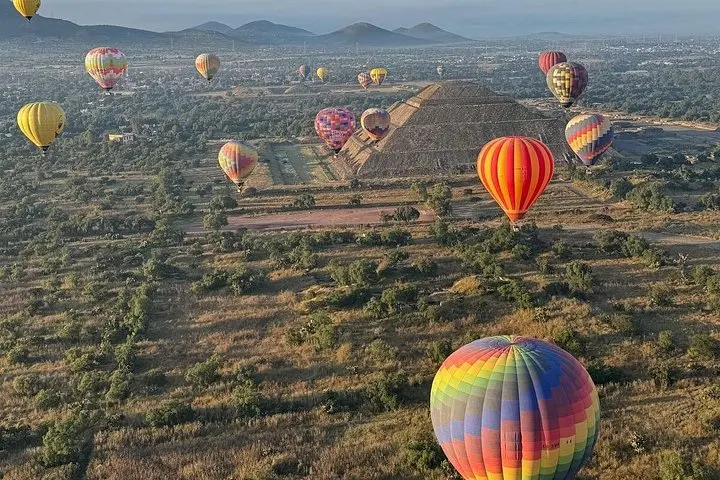
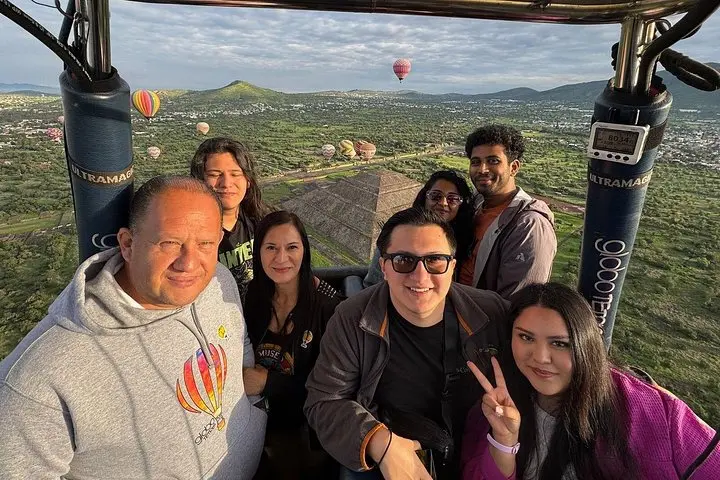
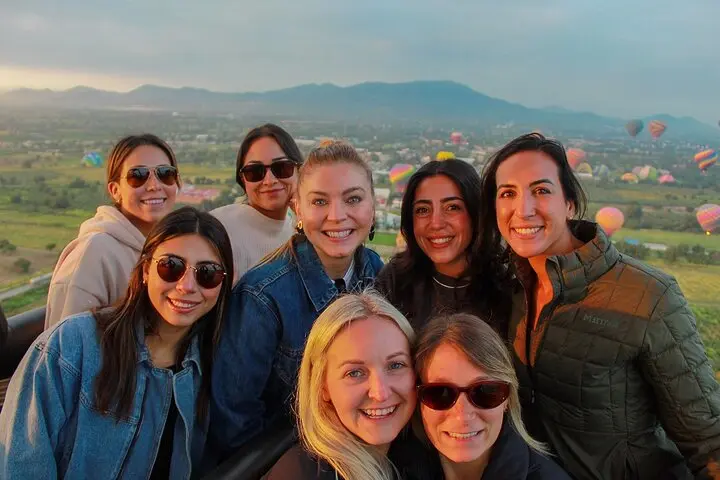
Before dawn the field exhales—giant envelopes inflate like slow-breathing lungs while crews check ropes and burners. You stand on cool earth as the basket tilts upright and the pilot times the lift with the wind. As the balloon rises, the Avenue of the Dead and the geometric roofs of an ancient city slide into view; the pyramids of Teotihuacan emerge from morning mist and the first light turns volcanic stone to honey.
Before dawn the field exhales—giant envelopes inflate like slow-breathing lungs while crews check ropes and burners. You stand on cool earth as the basket tilts upright and the pilot times the lift with the wind. As the balloon rises, the Avenue of the Dead and the geometric roofs of an ancient city slide into view; the pyramids of Teotihuacan emerge from morning mist and the first light turns volcanic stone to honey.
Teotihuacan was a pre-Columbian metropolis (circa 100–700 CE) whose Pyramid of the Sun and Pyramid of the Moon dominate a broad, volcanic plain. The terrain around the site is former lava and tuff; obsidian outcrops once fed a regional craft economy, and maguey plants still punctuate the scrub. Cultural threads survive in pulque and local dance—your post-flight breakfast often includes live folk or pre-Hispanic performances and tastings that explain obsidian and maguey uses.
Practically: flights last about 45–60 minutes in the air with a total tour time near five hours including hotel pickup from Mexico City (roughly a 45‑minute drive without traffic). Pilots cannot steer around wind patterns, so overflight of the pyramids is common but not guaranteed. The archaeological zone sits around 2,300 m elevation—hydrate and expect cooler temperatures at dawn. Bring layered clothing, a small camera, and your passport/ID for admission. Weather cancels flights; tours typically issue full refunds if conditions are unsafe.
This experience balances aerial perspective and grounded history—an hour above the valley followed by a guided walk through the same stones you just floated over.