THE ADVENTURE COLLECTIVE® · Independent discovery and booking for outdoor travel

Paddle before the crowds on a 4-hour dawn kayak from Puno to the floating Uros islands. Experience glassy water, vivid sunrise over the Capachica and Chucuito peninsulas, and close cultural encounters with reed-island communities.
Paddle before the crowds on a 4-hour dawn kayak from Puno to the floating Uros islands. Experience glassy water, vivid sunrise over the Capachica and Chucuito peninsulas, and close cultural encounters with reed-island communities.
Before the town wakes, the lake is a sheet of glass and the islands breathe a slow, reed-scented exhale. Paddlers slip away from Puno in the blue hour and meet a horizon that shifts from ink to copper as the sun climbs above the Capachica and Chucuito peninsulas. The Uros’ floating reed islands sit low on the water, villagers beginning their morning routines as you trace an 8 km round-trip across calm, high-altitude water.
Verified experiences and guided adventures in the surrounding area.
Operated by Titicaca Worldwide · Puno, Puno
Before the town wakes, the lake is a sheet of glass and the islands breathe a slow, reed-scented exhale. Paddlers slip away from Puno in the blue hour and meet a horizon that shifts from ink to copper as the sun climbs above the Capachica and Chucuito peninsulas. The Uros’ floating reed islands sit low on the water, villagers beginning their morning routines as you trace an 8 km round-trip across calm, high-altitude water.
Lake Titicaca is both cultural stage and geological relic — a deep, Andean basin carved by ancient tectonic forces and fed by cold mountain runoff. The Uros people engineered totora reed islands and boats for centuries; their living settlements and reed craftsmanship remain a central part of the morning scenes you'll witness. At nearly 3,810 meters, the air is thin and the light is sharp: colors arrive early and stay crisp.
Practically, expect four hours total with hotel pick-up around 5:00 am and return by 9:00. The paddle is rated moderate: wind can shift suddenly but mornings are often glassy. Dress in layers, pack sunscreen, and hydrate well before launch to counter altitude effects. Guides handle logistics and deliver local context on island construction, livelihoods, and seasonal bird migrations.
This is a concise, sensory outing — not a technical expedition. It rewards early rising with solitude, close cultural encounters, and a calm, reflective crossing that showcases why Lake Titicaca feels both ancient and immediate.
The tour covers approximately 8 km round-trip and runs about four hours including hotel transfers and shore time on the Uros islands.
No prior experience is required, but basic paddling ability and comfort in small kayaks are helpful; guides provide instruction and safety briefing.
Yes—Lake Titicaca sits near 3,810 m; mild symptoms are common. Hydrate, rest beforehand, and notify guides of any health issues.
Facilities are minimal; bottled water is provided by the operator, and local craft vendors may sell snacks, but plan accordingly for basic needs.
Titicaca Worldwide operates guided outdoor trips and adventures with an emphasis on safety, stewardship, and memorable experiences.
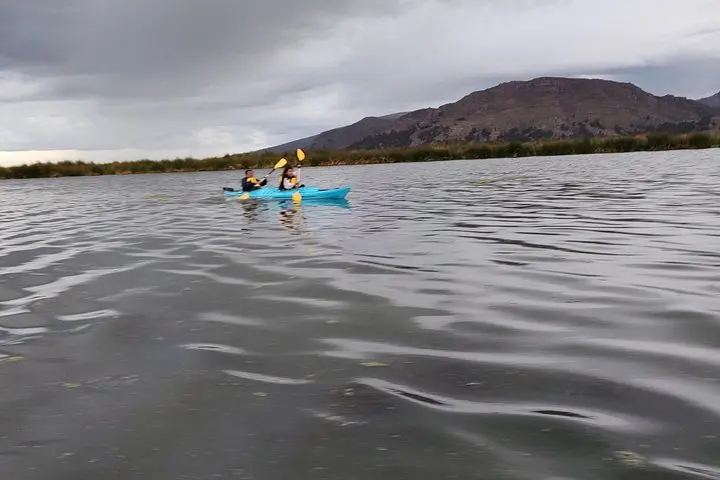
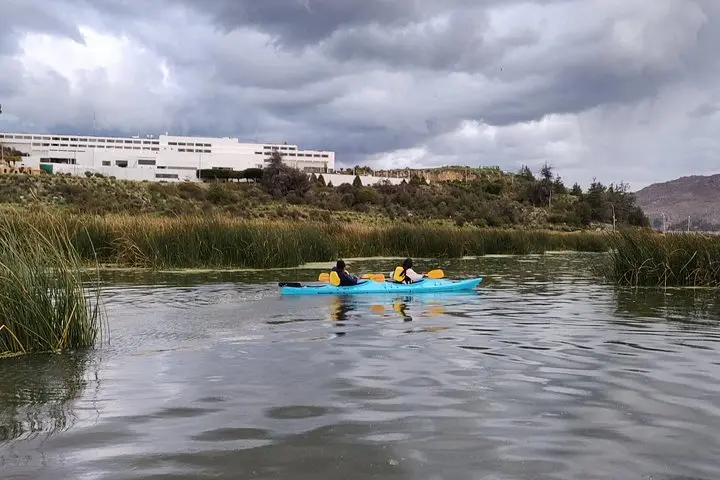
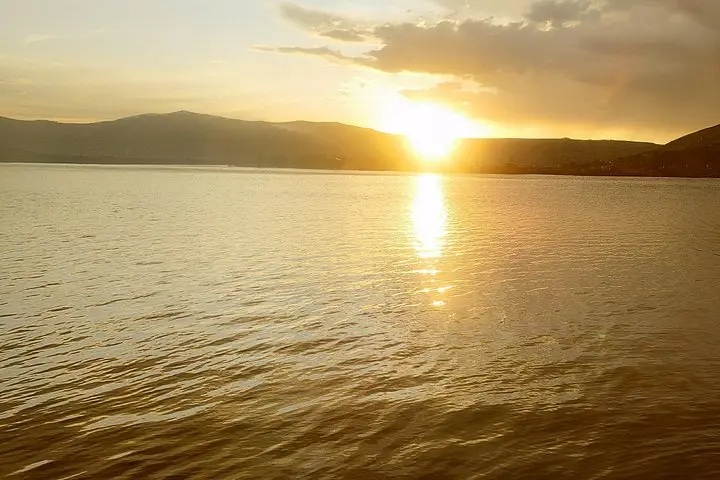
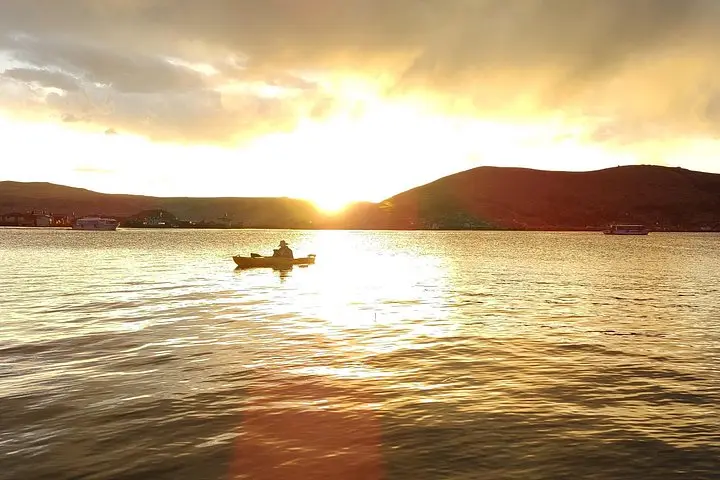
Before the town wakes, the lake is a sheet of glass and the islands breathe a slow, reed-scented exhale. Paddlers slip away from Puno in the blue hour and meet a horizon that shifts from ink to copper as the sun climbs above the Capachica and Chucuito peninsulas. The Uros’ floating reed islands sit low on the water, villagers beginning their morning routines as you trace an 8 km round-trip across calm, high-altitude water.
Before the town wakes, the lake is a sheet of glass and the islands breathe a slow, reed-scented exhale. Paddlers slip away from Puno in the blue hour and meet a horizon that shifts from ink to copper as the sun climbs above the Capachica and Chucuito peninsulas. The Uros’ floating reed islands sit low on the water, villagers beginning their morning routines as you trace an 8 km round-trip across calm, high-altitude water.
Lake Titicaca is both cultural stage and geological relic — a deep, Andean basin carved by ancient tectonic forces and fed by cold mountain runoff. The Uros people engineered totora reed islands and boats for centuries; their living settlements and reed craftsmanship remain a central part of the morning scenes you'll witness. At nearly 3,810 meters, the air is thin and the light is sharp: colors arrive early and stay crisp.
Practically, expect four hours total with hotel pick-up around 5:00 am and return by 9:00. The paddle is rated moderate: wind can shift suddenly but mornings are often glassy. Dress in layers, pack sunscreen, and hydrate well before launch to counter altitude effects. Guides handle logistics and deliver local context on island construction, livelihoods, and seasonal bird migrations.
This is a concise, sensory outing — not a technical expedition. It rewards early rising with solitude, close cultural encounters, and a calm, reflective crossing that showcases why Lake Titicaca feels both ancient and immediate.