THE ADVENTURE COLLECTIVE® · Independent discovery and booking for outdoor travel

Glide through a shaded mangrove estuary from Pelada to a secluded black‑sand beach on a guided 2‑hour kayak or SUP tour. Expect birdlife, calm channels timed to the tide, and a local guide who reads the river like a map.
Glide through a shaded mangrove estuary from Pelada to a secluded black‑sand beach on a guided 2‑hour kayak or SUP tour. Expect birdlife, calm channels timed to the tide, and a local guide who reads the river like a map.
You push off before the sun clears the horizon and the river answers with a slow, deliberate current that seems to usher you inland. Mangrove roots thread the water like the ribs of an old ship; birds call from above and the ocean’s surf murmurs in the distance, a constant reminder that this channel is where river and sea bargain for space.
Verified experiences and guided adventures in the surrounding area.
Operated by Tierra Costa · Nosara, Guanacaste
You push off before the sun clears the horizon and the river answers with a slow, deliberate current that seems to usher you inland. Mangrove roots thread the water like the ribs of an old ship; birds call from above and the ocean’s surf murmurs in the distance, a constant reminder that this channel is where river and sea bargain for space.
The tour begins at Pelada at the mouth of the Río Montaña and follows a sheltered estuary cut through a coastal mangrove forest—ecosystems that have shaped Guanacaste’s shoreline for millennia by trapping sediment and buffering storms. Geologically, the black sand beach at the river’s mouth is a product of volcanic sands mixed with dark shell and mineral fragments, deposited and concentrated by tidal currents. Locals have long used these waterways for fishing and transport; today guides draw on that knowledge to read tides, spot wildlife, and navigate channels that change with the season.
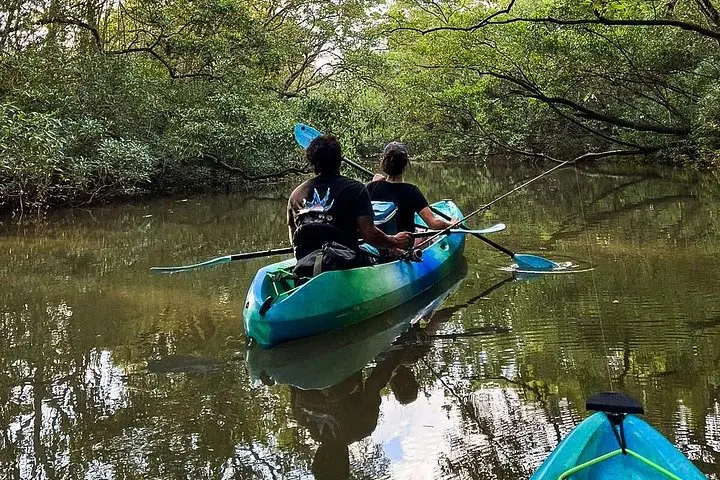
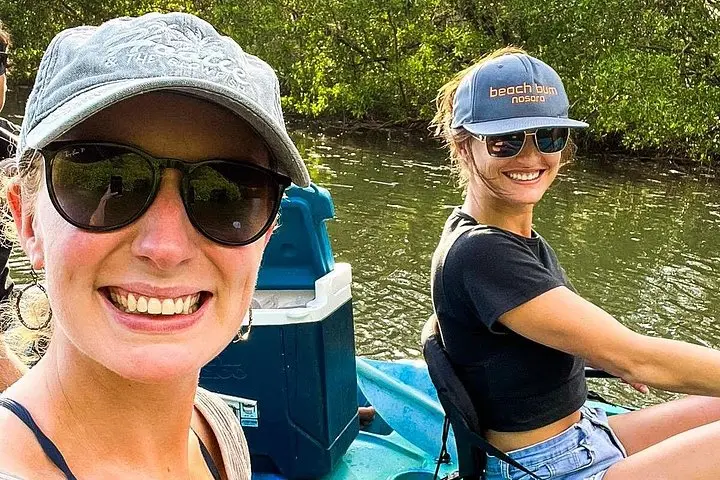
Expect close encounters with shorebirds, kingfishers, and the occasional monkey call overhead as you glide in a single or tandem kayak (stand-up paddleboards are usually available). The guide times departures around tides and offers a break at a small black‑sand beach only reachable by water—ideal for cooling off and enjoying light refreshments.
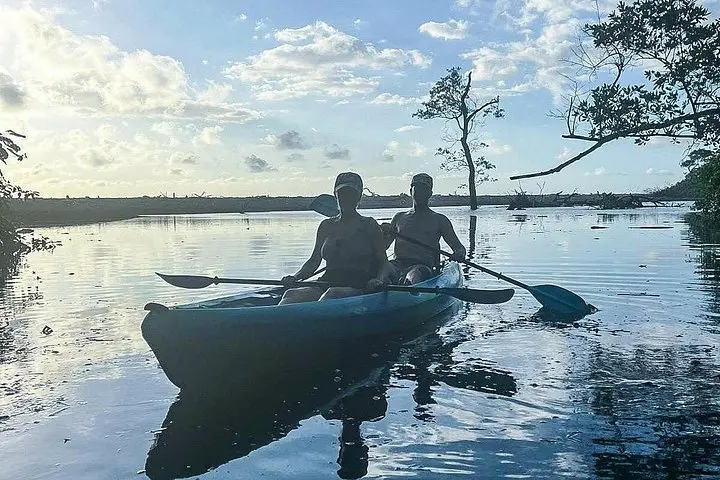
Practical notes: departures run roughly two hours, minimal paddling skills required, and life jackets are provided. Bring reef‑safe sunscreen, a dry bag for cameras, and footwear that can get wet. Plan around low tides if you want wider beach access and consider sunrise or sunset launches for calmer water and better light.
No—this route is on sheltered estuary water and guides provide instruction; basic mobility and comfort on the water are sufficient.
Access varies—guides choose launch times so you’ll land safely, but low tides can expose more beach while high tides may limit sand area.
Yes—single and tandem kayaks and stand‑up paddleboards are commonly provided; specify preference when booking, though availability may vary.
Tours typically cancel for heavy rain or unsafe conditions; check the operator’s policy for refunds if they cancel within 24 hours of departure.
Tierra Costa operates guided outdoor trips and adventures with an emphasis on safety, stewardship, and memorable experiences.
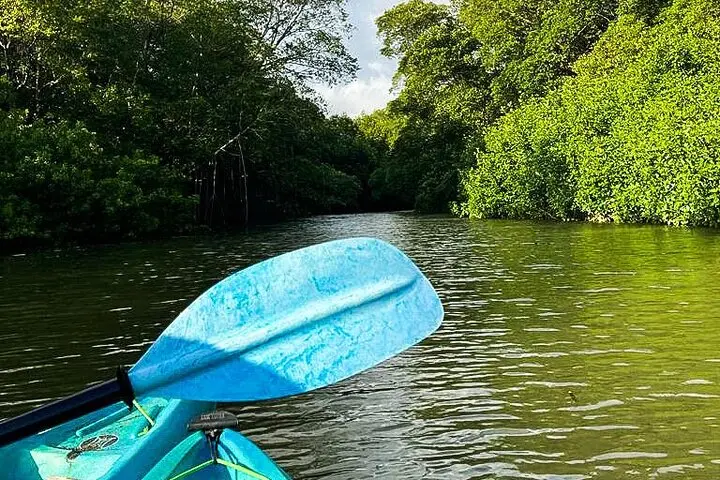
You push off before the sun clears the horizon and the river answers with a slow, deliberate current that seems to usher you inland. Mangrove roots thread the water like the ribs of an old ship; birds call from above and the ocean’s surf murmurs in the distance, a constant reminder that this channel is where river and sea bargain for space.
You push off before the sun clears the horizon and the river answers with a slow, deliberate current that seems to usher you inland. Mangrove roots thread the water like the ribs of an old ship; birds call from above and the ocean’s surf murmurs in the distance, a constant reminder that this channel is where river and sea bargain for space.
The tour begins at Pelada at the mouth of the Río Montaña and follows a sheltered estuary cut through a coastal mangrove forest—ecosystems that have shaped Guanacaste’s shoreline for millennia by trapping sediment and buffering storms. Geologically, the black sand beach at the river’s mouth is a product of volcanic sands mixed with dark shell and mineral fragments, deposited and concentrated by tidal currents. Locals have long used these waterways for fishing and transport; today guides draw on that knowledge to read tides, spot wildlife, and navigate channels that change with the season.
Expect close encounters with shorebirds, kingfishers, and the occasional monkey call overhead as you glide in a single or tandem kayak (stand-up paddleboards are usually available). The guide times departures around tides and offers a break at a small black‑sand beach only reachable by water—ideal for cooling off and enjoying light refreshments.
Practical notes: departures run roughly two hours, minimal paddling skills required, and life jackets are provided. Bring reef‑safe sunscreen, a dry bag for cameras, and footwear that can get wet. Plan around low tides if you want wider beach access and consider sunrise or sunset launches for calmer water and better light.