THE ADVENTURE COLLECTIVE® · Independent discovery and booking for outdoor travel

Pre-dawn headlights cut through Sinai’s dark as you climb Mount Sinai’s stone steps for sunrise, then descend to explore St Catherine’s 6th‑century monastery. Expect a 10–12 hour outing, dramatic light, and Bedouin hospitality.
Pre-dawn headlights cut through Sinai’s dark as you climb Mount Sinai’s stone steps for sunrise, then descend to explore St Catherine’s 6th‑century monastery. Expect a 10–12 hour outing, dramatic light, and Bedouin hospitality.
The bus leaves Sharm late at night and the desert opens up under a vault of stars—headlights carving a route through low basalt ridges as the air cools.
Verified experiences and guided adventures in the surrounding area.
Operated by Otto Travel · Saint Catherine, South Sinai Governorate
The bus leaves Sharm late at night and the desert opens up under a vault of stars—headlights carving a route through low basalt ridges as the air cools.
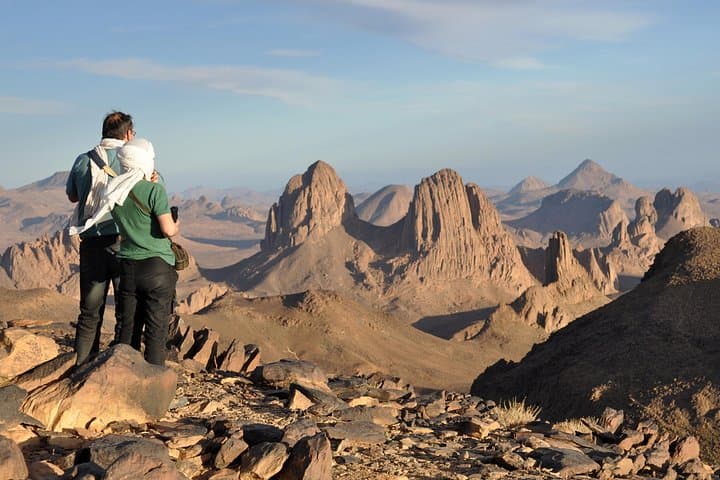
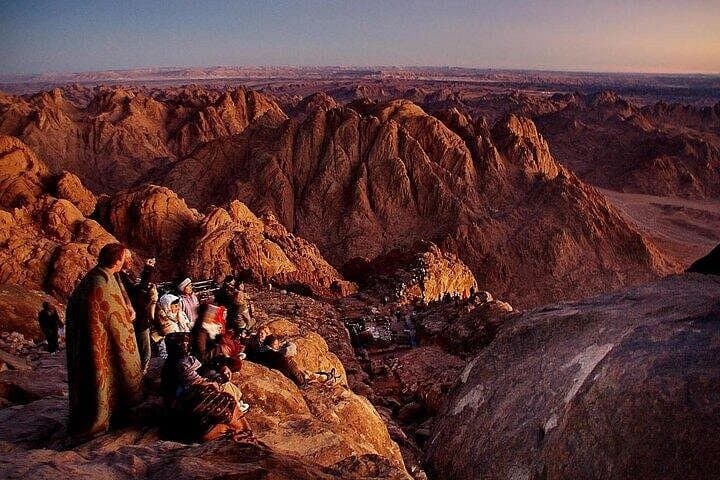
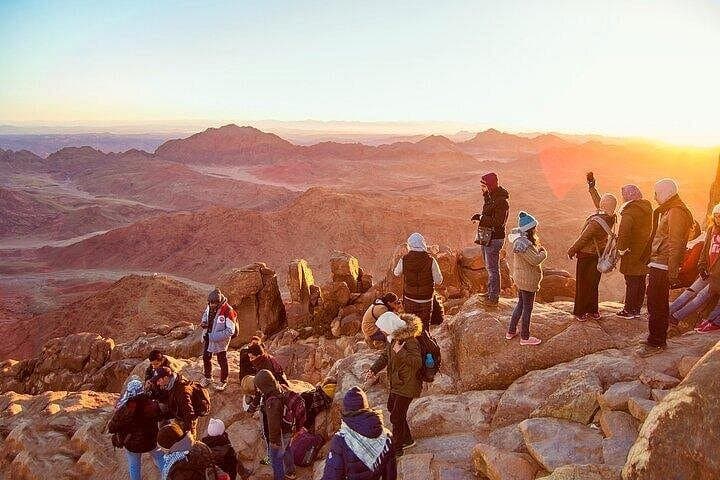
You arrive near 2:00 a.m. and follow a Bedouin guide along the carved stone steps or a winding goat-track toward the summit of Mount Sinai (2,285 m / 7,497 ft). The climb moves in a steady rhythm: steady breathing, careful foot placement on polished stone, and the gradual paleening of the horizon. At the summit a tiny chapel and mosque sit like worn witnesses while the sun lifts, painting ridgelines in gold and pushing shadowed valleys into relief.
Below, the 6th-century St Catherine’s Monastery occupies a sheltered basin at the mountain’s foot—built on Byzantine foundations around a site associated with the Burning Bush. The complex holds an ancient library, icons, and architecture that reflect centuries of pilgrimage and desert craft.
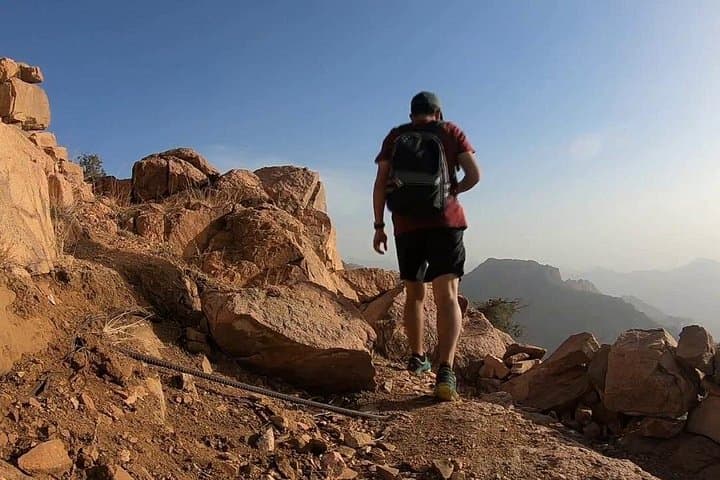
Geologically the massif is hard, weathered granite and gneiss; trails are mostly stone steps and packed scree with short exposed sections. Culturally, expect Bedouin hospitality: tea, quiet explanations, and a measured pace designed for reverence as much as sightseeing.
Practical guide: departures from Sharm take about 3 hours each way; plan for a 10–12 hour outing. Wear a warm layer for summit winds, a headlamp for the pre-dawn ascent, and sturdy boots for uneven steps. Respect monastery dress codes (covered shoulders and knees) and minimize noise at the summit. Water and snacks are essential—there are limited services at the base. For many visitors the mix of sunrise light, raw geology, and centuries of history makes the climb both physically simple and unexpectedly profound.
The typical ascent from the base takes about 2–3 hours depending on pace and whether you take the 700 stone steps or the winding path; descent is usually faster.
Many people of varied ages complete the climb; go-slow pacing, frequent rests, and choosing the winding path or camel for part of the route make it accessible—consult your guide if you have mobility concerns.
The monastery manages its own access and may charge an entry fee or require modest donations; your tour provider will advise on current arrangements and opening hours.
Camel rides are typically available at additional cost; they cover only portions of the approach and are arranged locally rather than included in standard bus-and-guide packages.
Otto Travel operates guided outdoor trips and adventures with an emphasis on safety, stewardship, and memorable experiences.
The bus leaves Sharm late at night and the desert opens up under a vault of stars—headlights carving a route through low basalt ridges as the air cools.
The bus leaves Sharm late at night and the desert opens up under a vault of stars—headlights carving a route through low basalt ridges as the air cools.
You arrive near 2:00 a.m. and follow a Bedouin guide along the carved stone steps or a winding goat-track toward the summit of Mount Sinai (2,285 m / 7,497 ft). The climb moves in a steady rhythm: steady breathing, careful foot placement on polished stone, and the gradual paleening of the horizon. At the summit a tiny chapel and mosque sit like worn witnesses while the sun lifts, painting ridgelines in gold and pushing shadowed valleys into relief.
Below, the 6th-century St Catherine’s Monastery occupies a sheltered basin at the mountain’s foot—built on Byzantine foundations around a site associated with the Burning Bush. The complex holds an ancient library, icons, and architecture that reflect centuries of pilgrimage and desert craft.
Geologically the massif is hard, weathered granite and gneiss; trails are mostly stone steps and packed scree with short exposed sections. Culturally, expect Bedouin hospitality: tea, quiet explanations, and a measured pace designed for reverence as much as sightseeing.
Practical guide: departures from Sharm take about 3 hours each way; plan for a 10–12 hour outing. Wear a warm layer for summit winds, a headlamp for the pre-dawn ascent, and sturdy boots for uneven steps. Respect monastery dress codes (covered shoulders and knees) and minimize noise at the summit. Water and snacks are essential—there are limited services at the base. For many visitors the mix of sunrise light, raw geology, and centuries of history makes the climb both physically simple and unexpectedly profound.