THE ADVENTURE COLLECTIVE® · Independent discovery and booking for outdoor travel

A compact Himalayan classic: the 3-day Ghorepani–Poon Hill trek from Pokhara delivers spectacular sunrise panoramas over Annapurna and Dhaulagiri with manageable hiking days and overnight teahouses. Ideal for hikers wanting a high-mountain taste without technical climbing.
A compact Himalayan classic: the 3-day Ghorepani–Poon Hill trek from Pokhara delivers spectacular sunrise panoramas over Annapurna and Dhaulagiri with manageable hiking days and overnight teahouses. Ideal for hikers wanting a high-mountain taste without technical climbing.
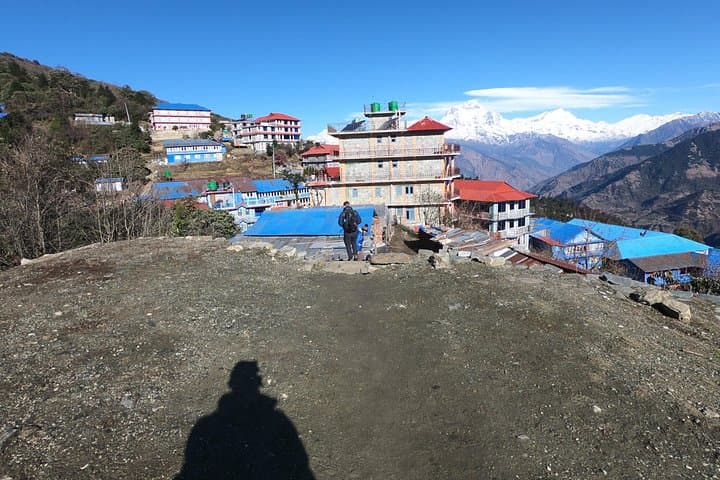
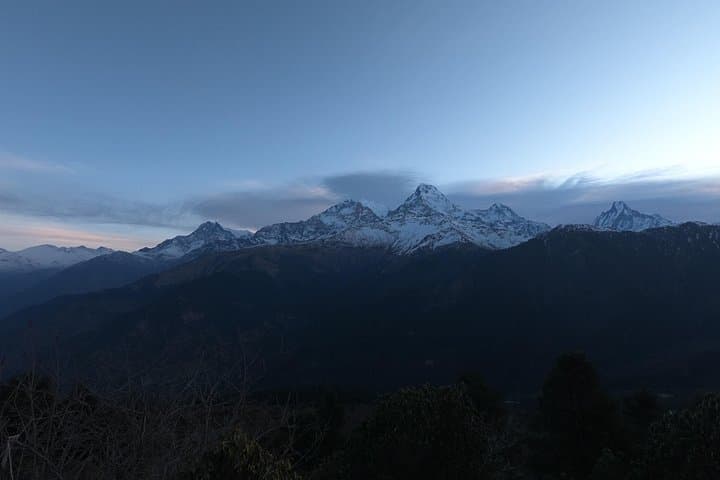
Dawn breaks on a narrow ridge and the mountains push into the light — Annapurna and Dhaulagiri leap into view as you stand on Poon Hill watching clouds peel away from jagged summits. The air is thin and sharp; prayer flags flutter against a horizon of snow and stone, and the village of Ghorepani below yawns awake with teahouse chimneys.
Verified experiences and guided adventures in the surrounding area.
Operated by Nepal Everest Base Camp Trekking Company Pvt.Ltd · Pokhara, Gandaki Province
Dawn breaks on a narrow ridge and the mountains push into the light — Annapurna and Dhaulagiri leap into view as you stand on Poon Hill watching clouds peel away from jagged summits. The air is thin and sharp; prayer flags flutter against a horizon of snow and stone, and the village of Ghorepani below yawns awake with teahouse chimneys.
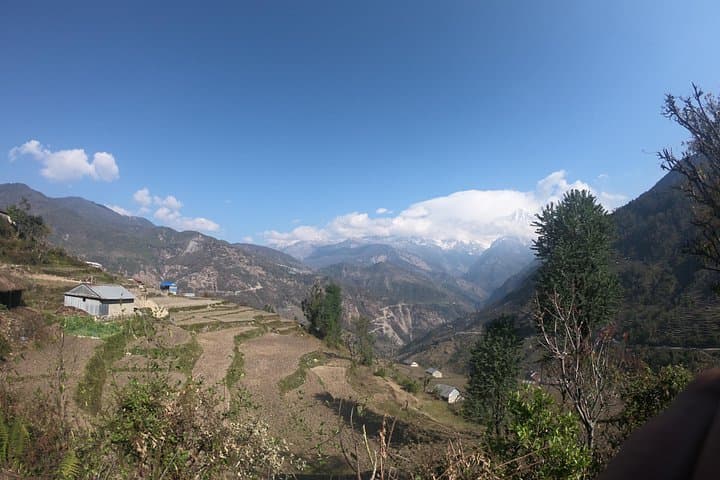
The Ghorepani–Poon Hill trek runs inside the Annapurna Conservation Area, a landscape shaped by tectonic uplift and glacial carving. Trails wind through rhododendron forests and terraced rice fields maintained for generations by Gurung and Magar communities. Simpler than high-altitude expeditions, the route presents a compressed alpine experience: steady elevation gain, long stone staircases at Ulleri, and panoramic viewpoints that made Poon Hill a classic sunrise destination.
Practically, expect 2–6 hours of walking on trekking days, with the highest point at Poon Hill (~3,210 m) and overnight stays in basic guesthouses at Ghorepani (~2,874 m) and Ulleri. Terrain is a mix of packed dirt, stone steps and short steep pitches; good footwear and layered clothing are essential. Permits (ACAP and TIMS) are required and typically checked at the trailhead near Birethanti or Nayapul.
Plan for cold mornings, strong sun at elevation, and busy viewpoints at sunrise during high season. Hydrate, carry cash for teahouse payments, and pace ascents to avoid undue strain — this is a short, accessible Himalayan trek that rewards early starts and modest preparation with world-class mountain light and close encounters with Sherpa and Gurung village life.
Yes — you’ll need an Annapurna Conservation Area Permit (ACAP) and a TIMS card; these are checked near trail entry points like Birethanti/Nayapul.
Not usually; the highest overnight is Ghorepani (~2,874 m). Take it steady, avoid rapid exertion, and monitor for symptoms of altitude sickness.
Basic teahouses and lodges with shared bathrooms; hot showers and Wi‑Fi may be limited and typically cost extra.
Autumn (Sept–Nov) and spring (Mar–May) offer the clearest mountain views; monsoon months bring clouds and winter can have snow on higher sections.
Nepal Everest Base Camp Trekking Company Pvt.Ltd operates guided outdoor trips and adventures with an emphasis on safety, stewardship, and memorable experiences.

Dawn breaks on a narrow ridge and the mountains push into the light — Annapurna and Dhaulagiri leap into view as you stand on Poon Hill watching clouds peel away from jagged summits. The air is thin and sharp; prayer flags flutter against a horizon of snow and stone, and the village of Ghorepani below yawns awake with teahouse chimneys.
Dawn breaks on a narrow ridge and the mountains push into the light — Annapurna and Dhaulagiri leap into view as you stand on Poon Hill watching clouds peel away from jagged summits. The air is thin and sharp; prayer flags flutter against a horizon of snow and stone, and the village of Ghorepani below yawns awake with teahouse chimneys.
The Ghorepani–Poon Hill trek runs inside the Annapurna Conservation Area, a landscape shaped by tectonic uplift and glacial carving. Trails wind through rhododendron forests and terraced rice fields maintained for generations by Gurung and Magar communities. Simpler than high-altitude expeditions, the route presents a compressed alpine experience: steady elevation gain, long stone staircases at Ulleri, and panoramic viewpoints that made Poon Hill a classic sunrise destination.
Practically, expect 2–6 hours of walking on trekking days, with the highest point at Poon Hill (~3,210 m) and overnight stays in basic guesthouses at Ghorepani (~2,874 m) and Ulleri. Terrain is a mix of packed dirt, stone steps and short steep pitches; good footwear and layered clothing are essential. Permits (ACAP and TIMS) are required and typically checked at the trailhead near Birethanti or Nayapul.
Plan for cold mornings, strong sun at elevation, and busy viewpoints at sunrise during high season. Hydrate, carry cash for teahouse payments, and pace ascents to avoid undue strain — this is a short, accessible Himalayan trek that rewards early starts and modest preparation with world-class mountain light and close encounters with Sherpa and Gurung village life.