THE ADVENTURE COLLECTIVE® · Independent discovery and booking for outdoor travel

Catch sunrise over the Teton Range with a hands-on instructor who teaches composition, camera technique, and ethical wildlife approaches. This six-hour field workshop pairs dawn shoots with an image review at a local café.
Catch sunrise over the Teton Range with a hands-on instructor who teaches composition, camera technique, and ethical wildlife approaches. This six-hour field workshop pairs dawn shoots with an image review at a local café.
You start before the road fully wakes, headlights carving the dark as the Teton silhouettes sharpen on the horizon. The air is cold enough to see your breath; the guide sets up a tripod and points where the first light will kiss the jagged ridge. This is a morning built around light — and learning.
Verified experiences and guided adventures in the surrounding area.
Operated by Free Roaming Photography · Jackson, Wyoming
You start before the road fully wakes, headlights carving the dark as the Teton silhouettes sharpen on the horizon. The air is cold enough to see your breath; the guide sets up a tripod and points where the first light will kiss the jagged ridge. This is a morning built around light — and learning.
Grand Teton National Park is a young mountain range in geological terms, a dramatic fault-block uplift that throws steep peaks above the valley floor. Human history here runs from Shoshone use of the valley to early homesteaders whose barns still punctuate views along Mormon Row. Jackson Hole’s ranching culture and conservation battles shaped the park’s modern access and interpretation.
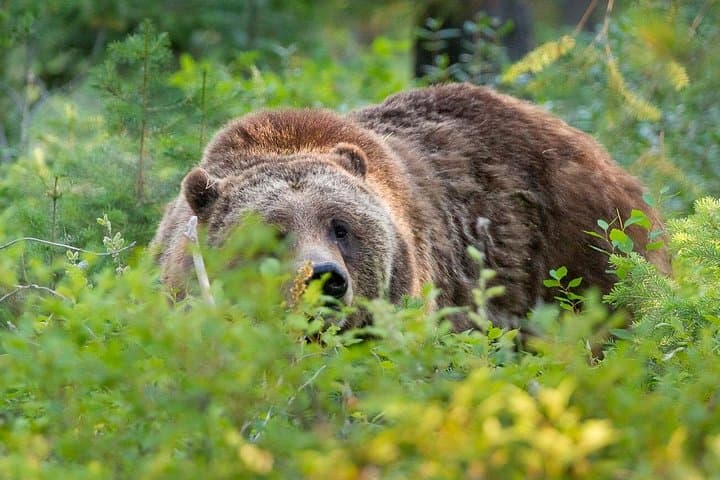
On a workshop like this you’ll oscillate between sweeping landscape compositions — lakes that act like glass, meadows catching color — and patient wildlife moments, where moose or elk test your shutter discipline. The instructor balances camera mechanics, composition, and ethical wildlife behavior; expect on-the-move critiques and a final coffee or breakfast review to go over files and basic post-processing tips.
Practicalities: start very early, plan for 5–6 hours, and bring a sturdy tripod and layered clothing — temperatures swing fast. Permit and park entrance fees apply; your tour typically includes private transport, water, and snacks. Keep distance from animals, silence phones during wildlife shoots, and charge spare batteries — cold drains power. The result is not just images but the confidence to find and refine your own Teton frames.
No — workshops are tailored to skill level, but basic familiarity with your camera’s primary controls helps you get more from the session.
Yes — the trip is labeled physically easy, but children should be able to remain quiet around wildlife and handle early start times.
Operators often proceed in varied conditions since light and weather create different photographic opportunities; check cancellation policy for refunds within 24 hours.
Most tours include private transport and refreshments; you’ll still need to pay park entrance fees if they’re not included — confirm when booking.
Free Roaming Photography operates guided outdoor trips and adventures with an emphasis on safety, stewardship, and memorable experiences.



You start before the road fully wakes, headlights carving the dark as the Teton silhouettes sharpen on the horizon. The air is cold enough to see your breath; the guide sets up a tripod and points where the first light will kiss the jagged ridge. This is a morning built around light — and learning.
You start before the road fully wakes, headlights carving the dark as the Teton silhouettes sharpen on the horizon. The air is cold enough to see your breath; the guide sets up a tripod and points where the first light will kiss the jagged ridge. This is a morning built around light — and learning.
Grand Teton National Park is a young mountain range in geological terms, a dramatic fault-block uplift that throws steep peaks above the valley floor. Human history here runs from Shoshone use of the valley to early homesteaders whose barns still punctuate views along Mormon Row. Jackson Hole’s ranching culture and conservation battles shaped the park’s modern access and interpretation.
On a workshop like this you’ll oscillate between sweeping landscape compositions — lakes that act like glass, meadows catching color — and patient wildlife moments, where moose or elk test your shutter discipline. The instructor balances camera mechanics, composition, and ethical wildlife behavior; expect on-the-move critiques and a final coffee or breakfast review to go over files and basic post-processing tips.
Practicalities: start very early, plan for 5–6 hours, and bring a sturdy tripod and layered clothing — temperatures swing fast. Permit and park entrance fees apply; your tour typically includes private transport, water, and snacks. Keep distance from animals, silence phones during wildlife shoots, and charge spare batteries — cold drains power. The result is not just images but the confidence to find and refine your own Teton frames.