THE ADVENTURE COLLECTIVE® · Independent discovery and booking for outdoor travel

Drive through cloud forest before dawn and reach the summit of Volcán Barú in time for sunrise—on a clear day you can see both the Pacific and Atlantic. This 4x4-assisted ascent mixes rugged access roads, high-altitude chill, and excellent wildlife prospects near Boquete.
Drive through cloud forest before dawn and reach the summit of Volcán Barú in time for sunrise—on a clear day you can see both the Pacific and Atlantic. This 4x4-assisted ascent mixes rugged access roads, high-altitude chill, and excellent wildlife prospects near Boquete.
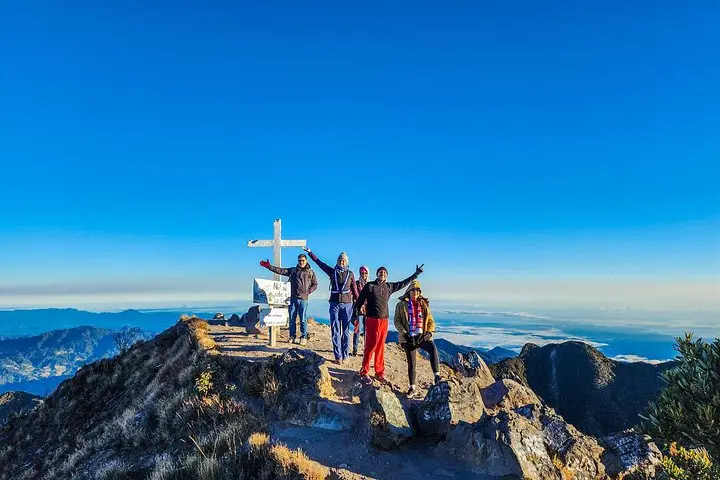
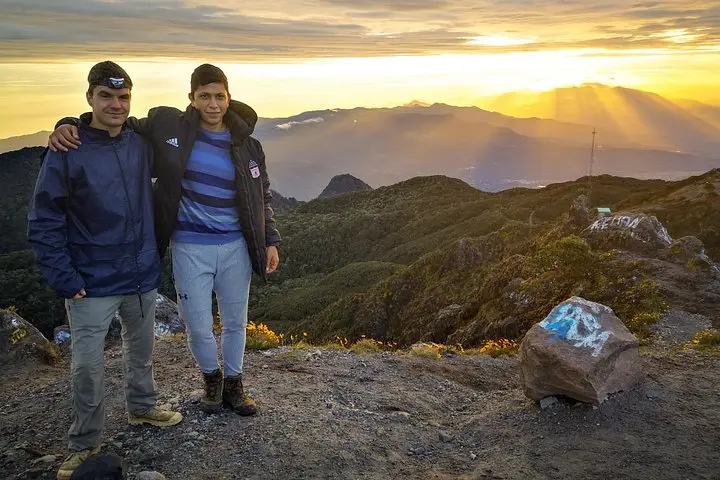
It’s a predawn convoy: headlights carve the coffee-plantation slopes, 4x4s crunch gravel and climb into a thinner, cooler air. By headlamp you wind past cloud forest, the engine keeping a steady rhythm while the mountain presses upward. At the summit, the sky breaks—light spills across the isthmus and, on clear mornings, both the Pacific and Atlantic flash at opposite horizons.
Verified experiences and guided adventures in the surrounding area.
Operated by Bongo Outdoors Tours · Boquete, Chiriquí
It’s a predawn convoy: headlights carve the coffee-plantation slopes, 4x4s crunch gravel and climb into a thinner, cooler air. By headlamp you wind past cloud forest, the engine keeping a steady rhythm while the mountain presses upward. At the summit, the sky breaks—light spills across the isthmus and, on clear mornings, both the Pacific and Atlantic flash at opposite horizons.
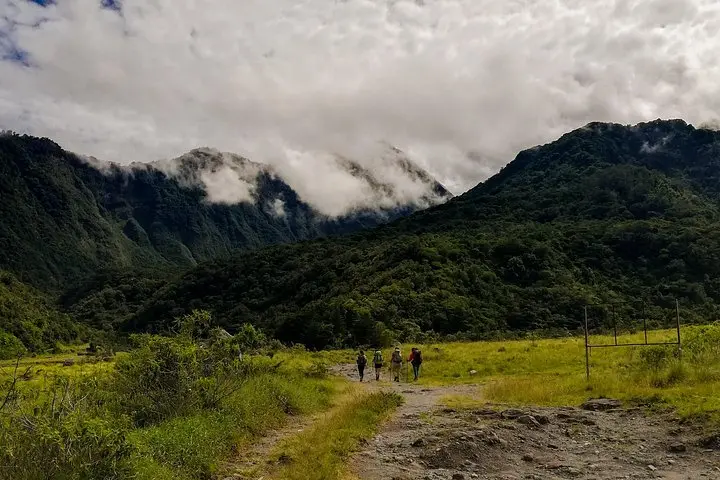
Volcán Barú (3,475 m) is Panama’s highest peak and the southernmost volcano of Central America. Geologically it’s a stratovolcano shaped by eruptions and heavy erosion; culturally it has long marked the borderlands of highland communities around Boquete and Cerro Punta. The surrounding cloud forest hosts endemic species—resplendent quetzals and bellbirds are regulars—and trails recall old mule routes once used to move crops down to the valleys.
Practically, this is a vehicle-assisted summit with a short window for summit-side viewing. Expect steep access roads, sudden weather changes, and cold temperatures at altitude; the tour typically starts before dawn from Boquete (often around 3:30 a.m.) to reach sunrise. Bring layered insulation, a warm hat, headlamp, water, and snacks; a sturdy pair of boots is useful if you step off the vehicle to explore. Altitude can bite—ascend slowly if possible and hydrate.
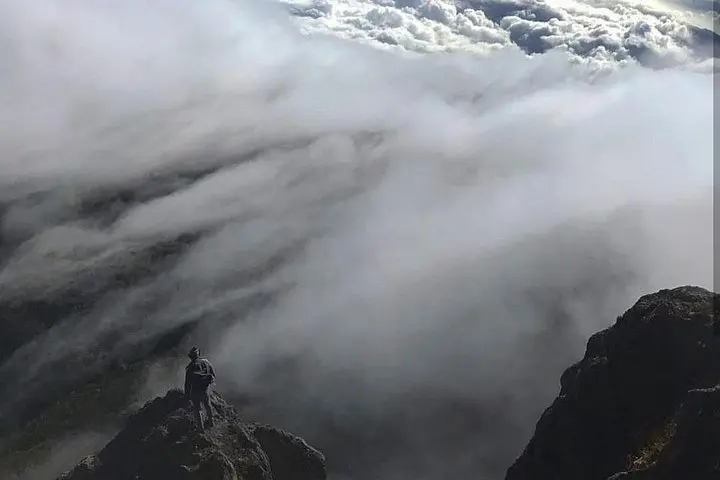
For photographers and day-hikers alike, the payoff is immediate: panoramic horizons, raw highland air, and the rare thrill of watching two oceans appear from a single peak. Book with an operator who provides experienced drivers, clear pickup details, and contingency plans for cloud or wind.
The tour uses 4x4 vehicles to reach near the summit; brief walks from the vehicle may be required to reach the highest viewpoints.
On clear days you can see hints of both the Pacific and Atlantic; visibility depends on weather and cloud cover.
Yes—at 3,475 m some people experience symptoms; hydrate, avoid alcohol before the trip, and inform guides of any issues.
Operators commonly cancel or reschedule in unsafe conditions; confirm the specific policy when booking and check weather forecasts.
Bongo Outdoors Tours operates guided outdoor trips and adventures with an emphasis on safety, stewardship, and memorable experiences.
It’s a predawn convoy: headlights carve the coffee-plantation slopes, 4x4s crunch gravel and climb into a thinner, cooler air. By headlamp you wind past cloud forest, the engine keeping a steady rhythm while the mountain presses upward. At the summit, the sky breaks—light spills across the isthmus and, on clear mornings, both the Pacific and Atlantic flash at opposite horizons.
It’s a predawn convoy: headlights carve the coffee-plantation slopes, 4x4s crunch gravel and climb into a thinner, cooler air. By headlamp you wind past cloud forest, the engine keeping a steady rhythm while the mountain presses upward. At the summit, the sky breaks—light spills across the isthmus and, on clear mornings, both the Pacific and Atlantic flash at opposite horizons.
Volcán Barú (3,475 m) is Panama’s highest peak and the southernmost volcano of Central America. Geologically it’s a stratovolcano shaped by eruptions and heavy erosion; culturally it has long marked the borderlands of highland communities around Boquete and Cerro Punta. The surrounding cloud forest hosts endemic species—resplendent quetzals and bellbirds are regulars—and trails recall old mule routes once used to move crops down to the valleys.
Practically, this is a vehicle-assisted summit with a short window for summit-side viewing. Expect steep access roads, sudden weather changes, and cold temperatures at altitude; the tour typically starts before dawn from Boquete (often around 3:30 a.m.) to reach sunrise. Bring layered insulation, a warm hat, headlamp, water, and snacks; a sturdy pair of boots is useful if you step off the vehicle to explore. Altitude can bite—ascend slowly if possible and hydrate.
For photographers and day-hikers alike, the payoff is immediate: panoramic horizons, raw highland air, and the rare thrill of watching two oceans appear from a single peak. Book with an operator who provides experienced drivers, clear pickup details, and contingency plans for cloud or wind.