THE ADVENTURE COLLECTIVE® · Independent discovery and booking for outdoor travel

Catch the Taj Mahal at the moment it changes color—sunrise from the gardens—then explore Agra Fort’s palaces on a private day trip from Delhi. Early pickup, guided access, and a long return journey make for a full, manageable cultural day.
Catch the Taj Mahal at the moment it changes color—sunrise from the gardens—then explore Agra Fort’s palaces on a private day trip from Delhi. Early pickup, guided access, and a long return journey make for a full, manageable cultural day.
You arrive before dawn, the horizon a thin strip of pale blue as the private car hums along the Delhi–Agra expressway. By the time the first light softens the Yamuna, the Taj Mahal stands like a living thing—marble inhaling sunrise, shadows sliding across inlaid floral motifs. Your guide points out the best angle; the river seems to hold its breath, reflecting the mausoleum’s pale face.
Verified experiences and guided adventures in the surrounding area.
Operated by Julie International Tours · Agra, Uttar Pradesh
You arrive before dawn, the horizon a thin strip of pale blue as the private car hums along the Delhi–Agra expressway. By the time the first light softens the Yamuna, the Taj Mahal stands like a living thing—marble inhaling sunrise, shadows sliding across inlaid floral motifs. Your guide points out the best angle; the river seems to hold its breath, reflecting the mausoleum’s pale face.
The story is straightforward and human: Shah Jahan commissioned this tomb for Mumtaz Mahal in the 17th century, building with Makrana marble hauled long distances and craftsmen who blended Persian and Indian motifs. Nearby Agra Fort predates it, a red-sandstone citadel of courts and private chambers from Akbar’s era that shows Mughal strategy and showmanship in carved jali screens and water channels.
Expect bright marble steps, manicured charbagh gardens, and the occasional troop of monkeys or peafowl threading the lawns. The site’s geology—white marble veined with fossils—gives photos a cool, tactile detail; conservation efforts now limit pollution and foot traffic to protect that surface.
Practical note: dawn visits mean early pickup (around 2:30 AM from Delhi) and 10–14 hours away from the city. Carry ID for entry, modest clothing for respect, and comfortable shoes—but be ready to remove them or use shoe covers in some areas. Water and a lightweight layer will handle variable temperatures between pre-dawn chill and midday heat. If you want quieter photos, linger near Mehtab Bagh across the river or time your exit to avoid the biggest crowds. The route back to Delhi gives you time to rest, usually arriving mid-afternoon with the day’s light fading behind you.
Some options include entrance fees (All-Inclusive); check your booking — otherwise you’ll pay local admission at the gate.
Yes—standard entry permits access to the central mausoleum at specified times, though access can be limited for maintenance or crowd control.
Expect about 3.5 to 4 hours each way on the Delhi–Agra expressway, depending on traffic and time of day.
Tripods and drones are generally not permitted—handheld cameras and phones are fine, and guides can help take photos for you.
Julie International Tours operates guided outdoor trips and adventures with an emphasis on safety, stewardship, and memorable experiences.
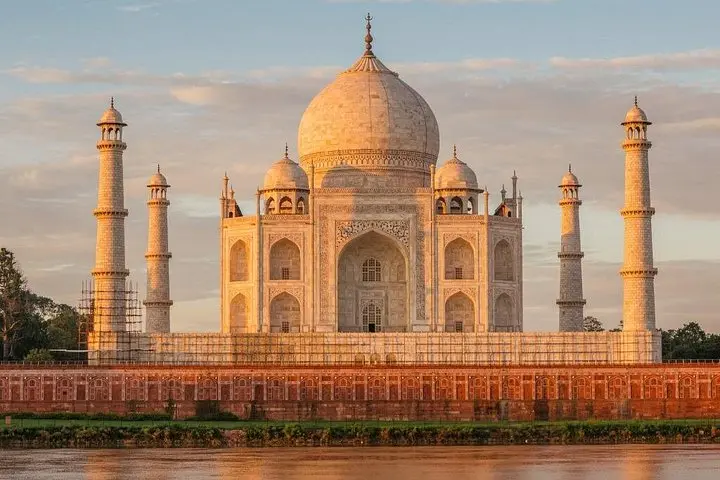
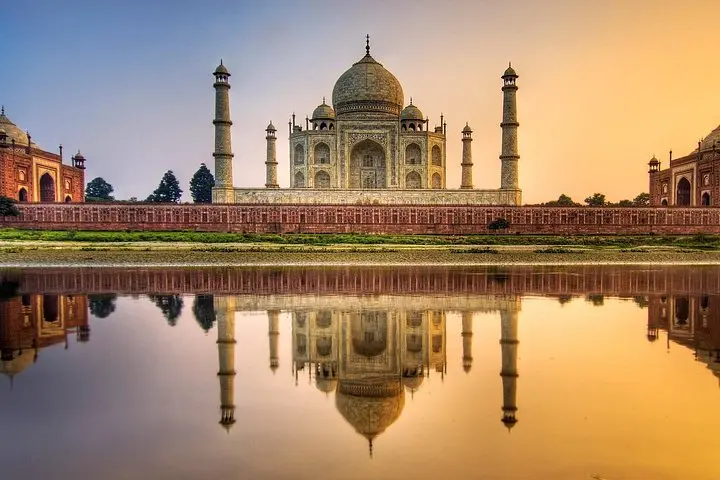
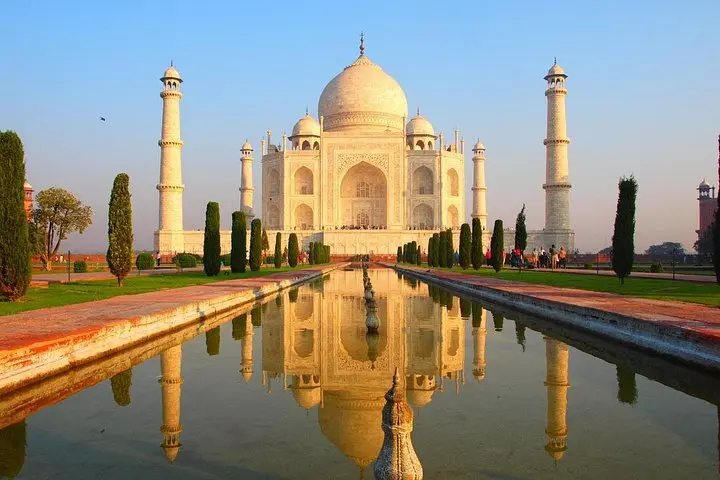
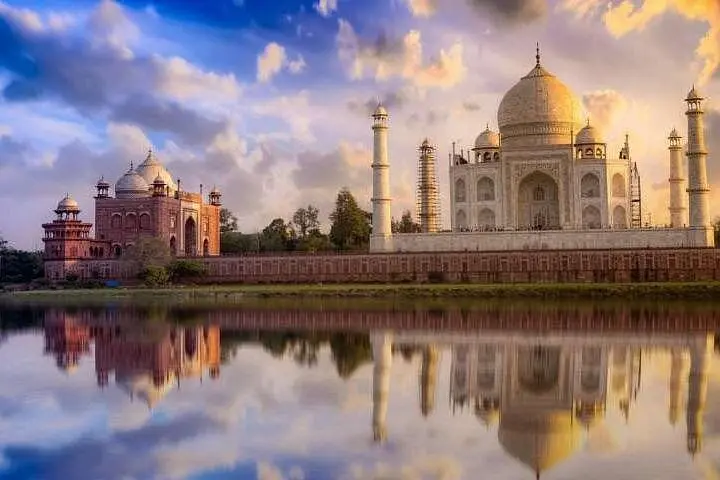
You arrive before dawn, the horizon a thin strip of pale blue as the private car hums along the Delhi–Agra expressway. By the time the first light softens the Yamuna, the Taj Mahal stands like a living thing—marble inhaling sunrise, shadows sliding across inlaid floral motifs. Your guide points out the best angle; the river seems to hold its breath, reflecting the mausoleum’s pale face.
You arrive before dawn, the horizon a thin strip of pale blue as the private car hums along the Delhi–Agra expressway. By the time the first light softens the Yamuna, the Taj Mahal stands like a living thing—marble inhaling sunrise, shadows sliding across inlaid floral motifs. Your guide points out the best angle; the river seems to hold its breath, reflecting the mausoleum’s pale face.
The story is straightforward and human: Shah Jahan commissioned this tomb for Mumtaz Mahal in the 17th century, building with Makrana marble hauled long distances and craftsmen who blended Persian and Indian motifs. Nearby Agra Fort predates it, a red-sandstone citadel of courts and private chambers from Akbar’s era that shows Mughal strategy and showmanship in carved jali screens and water channels.
Expect bright marble steps, manicured charbagh gardens, and the occasional troop of monkeys or peafowl threading the lawns. The site’s geology—white marble veined with fossils—gives photos a cool, tactile detail; conservation efforts now limit pollution and foot traffic to protect that surface.
Practical note: dawn visits mean early pickup (around 2:30 AM from Delhi) and 10–14 hours away from the city. Carry ID for entry, modest clothing for respect, and comfortable shoes—but be ready to remove them or use shoe covers in some areas. Water and a lightweight layer will handle variable temperatures between pre-dawn chill and midday heat. If you want quieter photos, linger near Mehtab Bagh across the river or time your exit to avoid the biggest crowds. The route back to Delhi gives you time to rest, usually arriving mid-afternoon with the day’s light fading behind you.