THE ADVENTURE COLLECTIVE® · Independent discovery and booking for outdoor travel

From the Taj at sunrise to the evening aartis of Mathura and Vrindavan, this full-day circuit pairs Mughal monuments with living temple culture. Expect long travel, guided walks, and vivid ritual experiences.
From the Taj at sunrise to the evening aartis of Mathura and Vrindavan, this full-day circuit pairs Mughal monuments with living temple culture. Expect long travel, guided walks, and vivid ritual experiences.
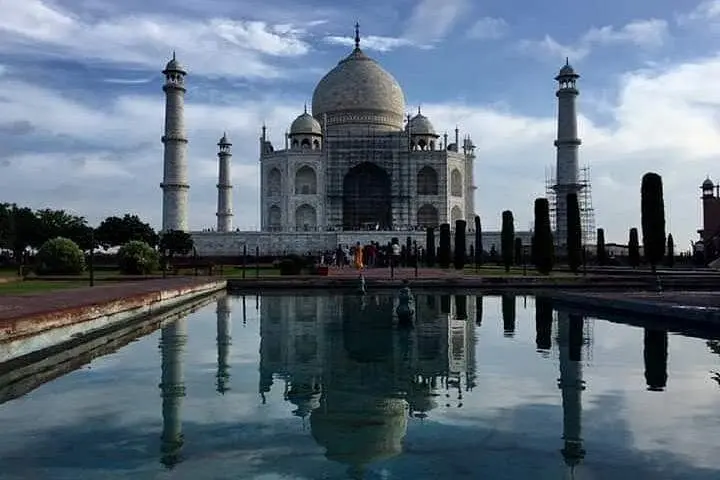
Before dawn the road to Agra tightens with headlights and a steady hum of the Yamuna Expressway; the Taj Mahal waits at first light like a promise kept. On this long-day circuit, travelers move from Mughal marble to devotional rhythm—walking the gardens at sunrise, studying red-sandstone defenses at Agra Fort, then shifting gears to the temple courts and evening aartis of Mathura and Vrindavan.
Verified experiences and guided adventures in the surrounding area.
Operated by Padma Holidays · Agra, Uttar Pradesh
Before dawn the road to Agra tightens with headlights and a steady hum of the Yamuna Expressway; the Taj Mahal waits at first light like a promise kept. On this long-day circuit, travelers move from Mughal marble to devotional rhythm—walking the gardens at sunrise, studying red-sandstone defenses at Agra Fort, then shifting gears to the temple courts and evening aartis of Mathura and Vrindavan.
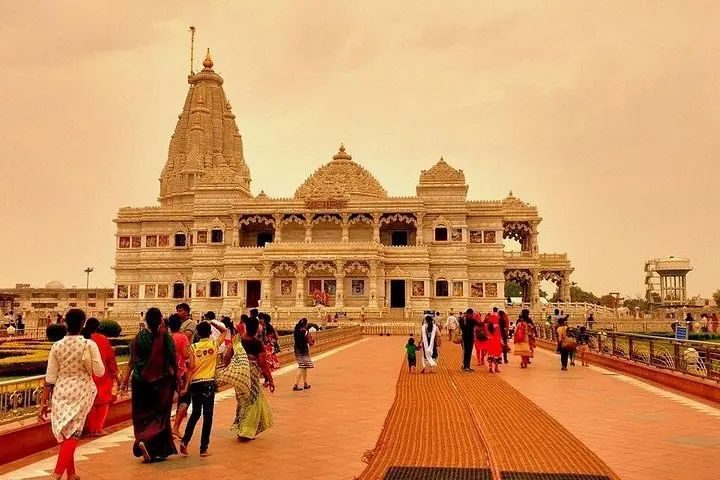
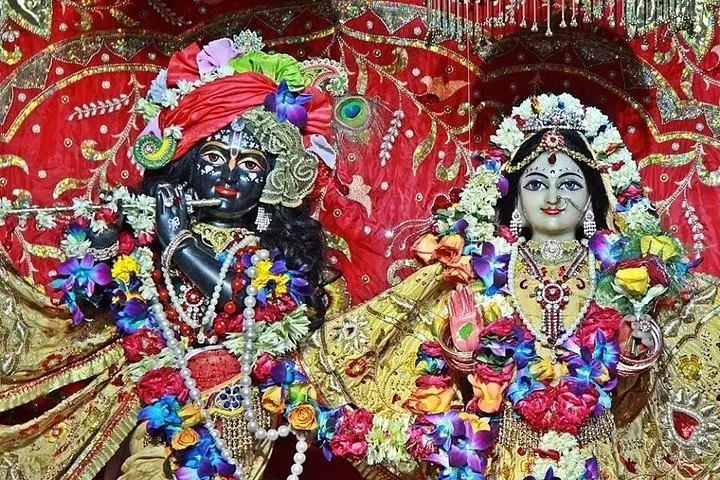
The trip threads together Mughal and Bhakti-era histories: Shah Jahan’s 17th-century mausoleum and the geometric planning of Agra Fort contrast with Mathura’s ancient status as Krishna’s birthplace and the living temple traditions of Bankey Bihari and ISKCON. Geology matters too—limestone and marble quarried from nearby deposits built the monuments, while the Yamuna’s floodplain shaped settlement patterns for centuries.
Expect guided walking at each stop, photo windows at the Taj, and ritual energy at Bankey Bihari and ISKCON temples. The day is long—roughly 16 hours—so pacing and planning matter. Bring a light daypack, modest clothing for temples, and a plan for early mornings and evening crowds. Hydrate frequently, use sun protection on open terraces, and respect local customs inside shrines (remove shoes, follow dress codes).
Practical tip: sunrise at the Taj is the clearest light and thinnest crowds, while evenings in Vrindavan are busiest during aarti; combine both for the full cultural arc. The tour is transport-heavy but low on technical challenge—what it asks for is stamina, patience, and curiosity.
The Taj Mahal is closed on Fridays; plan your tour accordingly and confirm the date with your operator.
This tour lists entrance fees to monuments and lunch as included—confirm at booking for any optional upgrades.
Guided visits are scheduled at each stop but some free time for photos or brief independent wandering is typically allowed within set windows.
Modest clothing is required—cover shoulders and knees, and be prepared to remove shoes before entering certain shrines.
Padma Holidays operates guided outdoor trips and adventures with an emphasis on safety, stewardship, and memorable experiences.
Before dawn the road to Agra tightens with headlights and a steady hum of the Yamuna Expressway; the Taj Mahal waits at first light like a promise kept. On this long-day circuit, travelers move from Mughal marble to devotional rhythm—walking the gardens at sunrise, studying red-sandstone defenses at Agra Fort, then shifting gears to the temple courts and evening aartis of Mathura and Vrindavan.
Before dawn the road to Agra tightens with headlights and a steady hum of the Yamuna Expressway; the Taj Mahal waits at first light like a promise kept. On this long-day circuit, travelers move from Mughal marble to devotional rhythm—walking the gardens at sunrise, studying red-sandstone defenses at Agra Fort, then shifting gears to the temple courts and evening aartis of Mathura and Vrindavan.
The trip threads together Mughal and Bhakti-era histories: Shah Jahan’s 17th-century mausoleum and the geometric planning of Agra Fort contrast with Mathura’s ancient status as Krishna’s birthplace and the living temple traditions of Bankey Bihari and ISKCON. Geology matters too—limestone and marble quarried from nearby deposits built the monuments, while the Yamuna’s floodplain shaped settlement patterns for centuries.
Expect guided walking at each stop, photo windows at the Taj, and ritual energy at Bankey Bihari and ISKCON temples. The day is long—roughly 16 hours—so pacing and planning matter. Bring a light daypack, modest clothing for temples, and a plan for early mornings and evening crowds. Hydrate frequently, use sun protection on open terraces, and respect local customs inside shrines (remove shoes, follow dress codes).
Practical tip: sunrise at the Taj is the clearest light and thinnest crowds, while evenings in Vrindavan are busiest during aarti; combine both for the full cultural arc. The tour is transport-heavy but low on technical challenge—what it asks for is stamina, patience, and curiosity.