THE ADVENTURE COLLECTIVE® · Independent discovery and booking for outdoor travel

Watch Angkor Wat glow at sunrise, then move through Ta Prohm, Bayon, and quieter ruins over two days of guided exploration. This private, small-group package pairs temple access with village visits, a boat ride at Kampong Phluk, and local meals.
Watch Angkor Wat glow at sunrise, then move through Ta Prohm, Bayon, and quieter ruins over two days of guided exploration. This private, small-group package pairs temple access with village visits, a boat ride at Kampong Phluk, and local meals.
Before dawn, the causeway to Angkor Wat reads like an invitation: cool stone underfoot, a ribbon of mist lifting from the moat, and the temple’s silhouette sharpening against a flushed sky. On a two-day private tour from Siem Reap you move from that hush into the pulse of the Khmer world—Angkor Wat’s bas-reliefs, Ta Prohm’s roots clutching galleries, and Bayon’s carved faces watching the plaza below.
Verified experiences and guided adventures in the surrounding area.
Operated by Marvel Angkor Tours · Siem Reap, Siem Reap Province
Before dawn, the causeway to Angkor Wat reads like an invitation: cool stone underfoot, a ribbon of mist lifting from the moat, and the temple’s silhouette sharpening against a flushed sky. On a two-day private tour from Siem Reap you move from that hush into the pulse of the Khmer world—Angkor Wat’s bas-reliefs, Ta Prohm’s roots clutching galleries, and Bayon’s carved faces watching the plaza below.
The monuments reflect centuries of empire: 12th-century sandstone built by Suryavarman II, laterite cores and Khmer masonry techniques that have resisted monsoon and jungle. Further afield, Koh Ker’s stepped pyramid and Beng Mealea’s collapsed galleries show different chapters of royal ambition and abandonment. Between temples the Tonle Sap’s floodplains and small villages reveal contemporary Cambodia—boat communities at Kampong Phluk and artisans keeping silk and pottery traditions alive.
Practically, the package balances sunrise access with small-group pacing, private air-conditioned transfers, a boat ride on the flooded forest, and local meals—plus tickets to an evening performance such as Phare Circus. Expect a mix of flat causeways, uneven sandstone steps, and short jungle trails; modest climbs and some loose footing at unrestored sites.
Pack sun protection, reliable walking shoes, and water; follow temple etiquette—shoulders and knees covered, no climbing on carvings. Aim to see Angkor at first light to avoid peak heat and crowds, then use afternoons for quieter complexes like Beng Mealea or a village visit. The experience pairs sweeping archaeological scale with hands-on cultural moments, offering both spectacle and context for the stones you’re walking across.
Yes—entry to Angkor Archaeological Park requires a pass; most tour operators include tickets for listed temples in the package.
Yes—this private, small-group format is adaptable, but participants should be comfortable walking on uneven ground and managing heat.
Sunrise at Angkor Wat and mornings across key sites avoid the heat; use afternoons for quieter or inland sites and cultural activities.
Some major sites have level approaches, but many ruins have steps and uneven surfaces; accessibility varies by temple and site.
Marvel Angkor Tours operates guided outdoor trips and adventures with an emphasis on safety, stewardship, and memorable experiences.
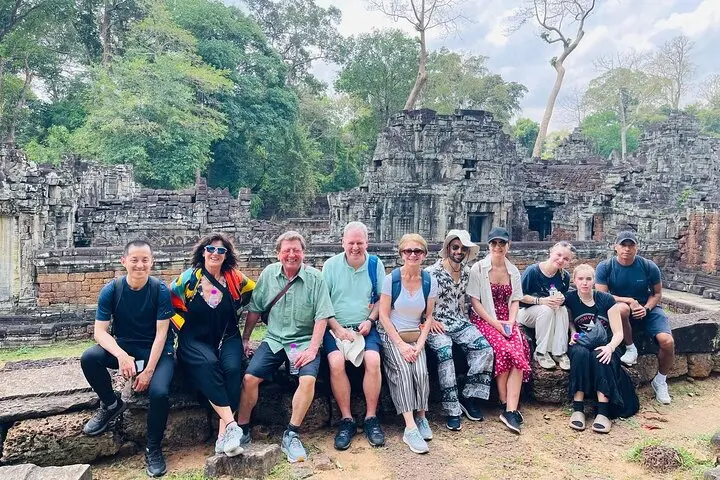
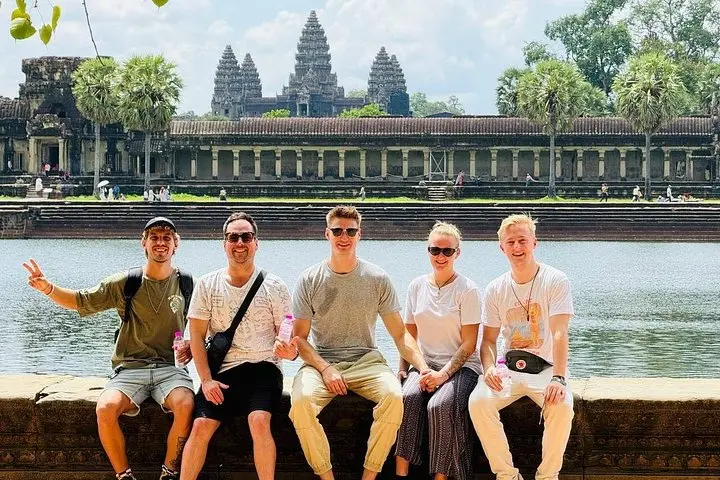
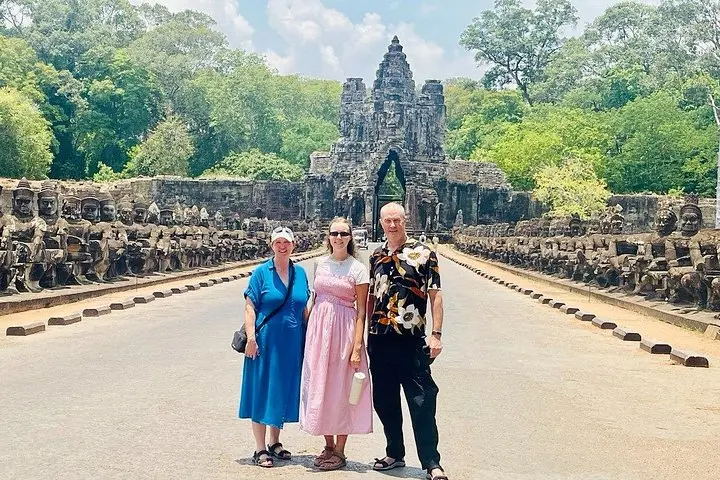
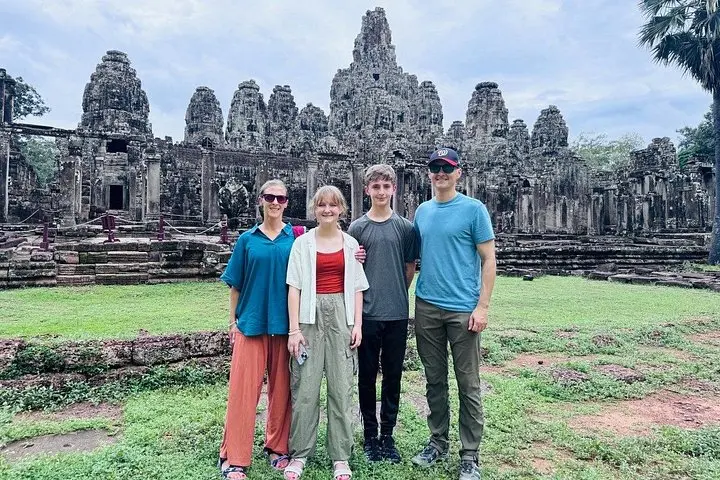
Before dawn, the causeway to Angkor Wat reads like an invitation: cool stone underfoot, a ribbon of mist lifting from the moat, and the temple’s silhouette sharpening against a flushed sky. On a two-day private tour from Siem Reap you move from that hush into the pulse of the Khmer world—Angkor Wat’s bas-reliefs, Ta Prohm’s roots clutching galleries, and Bayon’s carved faces watching the plaza below.
Before dawn, the causeway to Angkor Wat reads like an invitation: cool stone underfoot, a ribbon of mist lifting from the moat, and the temple’s silhouette sharpening against a flushed sky. On a two-day private tour from Siem Reap you move from that hush into the pulse of the Khmer world—Angkor Wat’s bas-reliefs, Ta Prohm’s roots clutching galleries, and Bayon’s carved faces watching the plaza below.
The monuments reflect centuries of empire: 12th-century sandstone built by Suryavarman II, laterite cores and Khmer masonry techniques that have resisted monsoon and jungle. Further afield, Koh Ker’s stepped pyramid and Beng Mealea’s collapsed galleries show different chapters of royal ambition and abandonment. Between temples the Tonle Sap’s floodplains and small villages reveal contemporary Cambodia—boat communities at Kampong Phluk and artisans keeping silk and pottery traditions alive.
Practically, the package balances sunrise access with small-group pacing, private air-conditioned transfers, a boat ride on the flooded forest, and local meals—plus tickets to an evening performance such as Phare Circus. Expect a mix of flat causeways, uneven sandstone steps, and short jungle trails; modest climbs and some loose footing at unrestored sites.
Pack sun protection, reliable walking shoes, and water; follow temple etiquette—shoulders and knees covered, no climbing on carvings. Aim to see Angkor at first light to avoid peak heat and crowds, then use afternoons for quieter complexes like Beng Mealea or a village visit. The experience pairs sweeping archaeological scale with hands-on cultural moments, offering both spectacle and context for the stones you’re walking across.