THE ADVENTURE COLLECTIVE® · Independent discovery and booking for outdoor travel

Witness the Taj Mahal at both sunrise and sunset on a compact overnight from Delhi. This two-day private tour pairs Agra Fort, the Baby Taj, and Fatehpur Sikri with practical travel logistics and one night’s hotel stay.
Witness the Taj Mahal at both sunrise and sunset on a compact overnight from Delhi. This two-day private tour pairs Agra Fort, the Baby Taj, and Fatehpur Sikri with practical travel logistics and one night’s hotel stay.
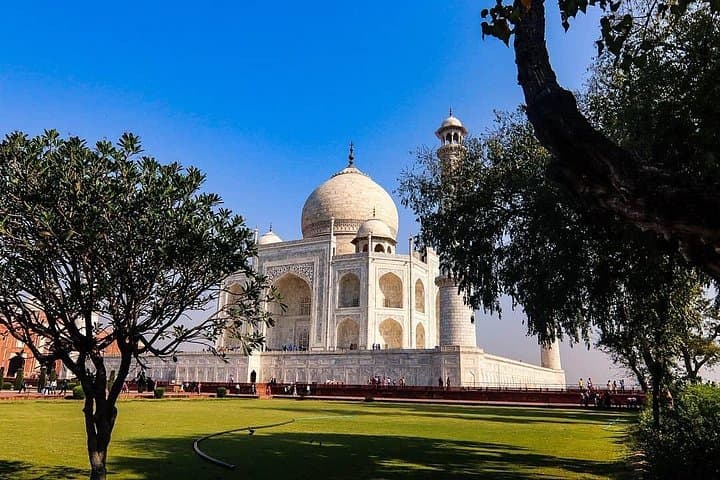
Dawn arrives cool and thin over the Yamuna as the Taj Mahal’s marble glows from mist to gold — an image the two-day Agra overnight tour is built around. Travelers leave New Delhi by private, air-conditioned car for the roughly 210 km drive (about 3.5–4 hours), arriving in Agra mid-morning to begin a compact loop of Mughal highlights.
Verified experiences and guided adventures in the surrounding area.
Operated by Delhi Tour Guide · Agra, Uttar Pradesh
Dawn arrives cool and thin over the Yamuna as the Taj Mahal’s marble glows from mist to gold — an image the two-day Agra overnight tour is built around. Travelers leave New Delhi by private, air-conditioned car for the roughly 210 km drive (about 3.5–4 hours), arriving in Agra mid-morning to begin a compact loop of Mughal highlights.
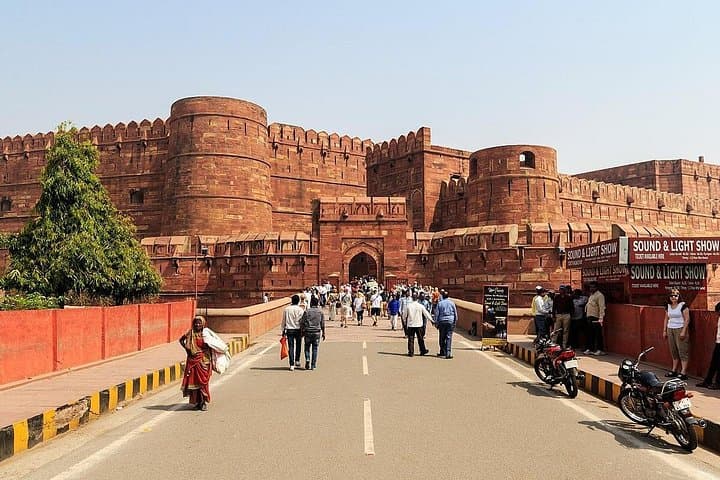
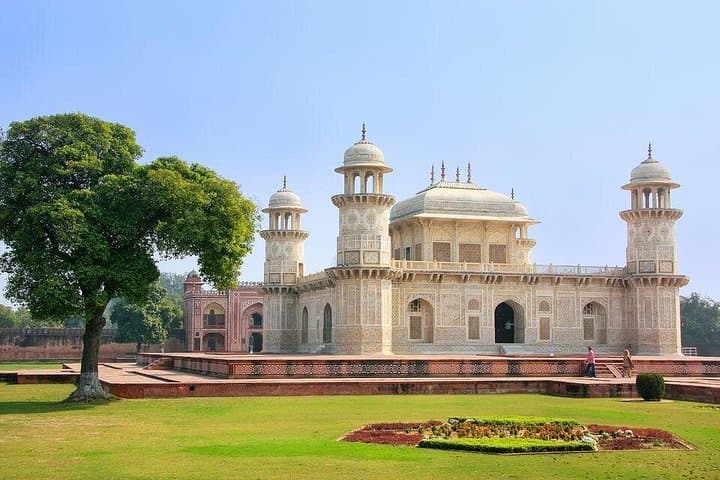
The itinerary threads through Mughal history: Agra Fort’s red-sandstone ramparts where emperors planned campaigns, the delicate pietra dura inlay of Itimād-ud-Daulah (the “Baby Taj”), and Fatehpur Sikri, Akbar’s late-16th-century abandoned capital built in red sandstone. Geologically, the region sits on alluvial plains; the Taj’s gleam owes as much to craftsmanship as to the broad, flat horizon that allows light to read across its façade.
Culturally, the trip balances photo-stops and guide-led context — expect explanations of Mughal patronage, funerary symbolism, and local marble trades. Evenings at Mehtab Bagh frame the monument against river reflections; sunrise viewing the next morning is a deliberate contrast, when cooler air and fewer crowds sharpen detail.
Practical guidance: plan for early starts (pick-up around 05:45 for the Taj sunrise), carry ID for ticketing, and budget time for security lines. Hotels are mid- to upper-range options with included breakfast and one night’s lodging. Hydrate for the drive, wear closed walking shoes for uneven fort and Fatehpur Sikri surfaces, and set aside cash for small purchases and tips. This brief, curated tour is ideal for travelers seeking concentrated history with low physical demand and high visual payoff.
No — the standard itinerary notes admissions are not included; expect to purchase entry tickets on-site or arrange them in advance.
Pickup for the Taj sunrise is typically very early (around 05:45); the exact time varies seasonally and will be confirmed by the operator.
Yes — one night’s hotel accommodation in Agra (3–5 star options available, twin sharing) is included in the package.
Transfers and sightseeing use a private, air-conditioned car sized to group numbers (sedan, mid-SUV, or minivan per the booking details).
Delhi Tour Guide operates guided outdoor trips and adventures with an emphasis on safety, stewardship, and memorable experiences.

Dawn arrives cool and thin over the Yamuna as the Taj Mahal’s marble glows from mist to gold — an image the two-day Agra overnight tour is built around. Travelers leave New Delhi by private, air-conditioned car for the roughly 210 km drive (about 3.5–4 hours), arriving in Agra mid-morning to begin a compact loop of Mughal highlights.
Dawn arrives cool and thin over the Yamuna as the Taj Mahal’s marble glows from mist to gold — an image the two-day Agra overnight tour is built around. Travelers leave New Delhi by private, air-conditioned car for the roughly 210 km drive (about 3.5–4 hours), arriving in Agra mid-morning to begin a compact loop of Mughal highlights.
The itinerary threads through Mughal history: Agra Fort’s red-sandstone ramparts where emperors planned campaigns, the delicate pietra dura inlay of Itimād-ud-Daulah (the “Baby Taj”), and Fatehpur Sikri, Akbar’s late-16th-century abandoned capital built in red sandstone. Geologically, the region sits on alluvial plains; the Taj’s gleam owes as much to craftsmanship as to the broad, flat horizon that allows light to read across its façade.
Culturally, the trip balances photo-stops and guide-led context — expect explanations of Mughal patronage, funerary symbolism, and local marble trades. Evenings at Mehtab Bagh frame the monument against river reflections; sunrise viewing the next morning is a deliberate contrast, when cooler air and fewer crowds sharpen detail.
Practical guidance: plan for early starts (pick-up around 05:45 for the Taj sunrise), carry ID for ticketing, and budget time for security lines. Hotels are mid- to upper-range options with included breakfast and one night’s lodging. Hydrate for the drive, wear closed walking shoes for uneven fort and Fatehpur Sikri surfaces, and set aside cash for small purchases and tips. This brief, curated tour is ideal for travelers seeking concentrated history with low physical demand and high visual payoff.