THE ADVENTURE COLLECTIVE® · Independent discovery and booking for outdoor travel

A compact 2-day trek from Tram Ton to the summit of Fansipan offers pre-dawn summit views, bamboo-lined ridges and close encounters with mountain culture. This guide explains what to expect and how to prepare for the Roof of Indochina.
A compact 2-day trek from Tram Ton to the summit of Fansipan offers pre-dawn summit views, bamboo-lined ridges and close encounters with mountain culture. This guide explains what to expect and how to prepare for the Roof of Indochina.
Dawn arrives cold and thin at Tram Ton. You stand under a high, open sky where the Tonkinese ridges dip and rise like the vertebrae of the range — bamboo scrub clings to the slopes and clouds roll through valleys below as if trying to climb themselves.
Verified experiences and guided adventures in the surrounding area.
Operated by The Terrible Tour Guide Travel · Sapa, Lao Cai
Dawn arrives cold and thin at Tram Ton. You stand under a high, open sky where the Tonkinese ridges dip and rise like the vertebrae of the range — bamboo scrub clings to the slopes and clouds roll through valleys below as if trying to climb themselves.
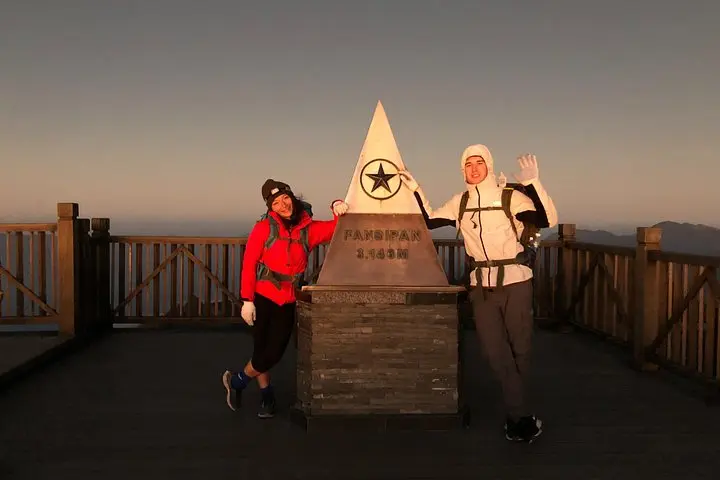
Fansipan, at 3,143 m, earned the label “Roof of Indochina” because it dominates the Hoang Lien massif; the mountain’s bedrock is largely metamorphic schist and gneiss shaped by the Himalayan orogeny and subsequent uplift. Sapa’s valleys around it have been cultivated for centuries by ethnic groups — notably the Black Hmong — who know the trails as daily routes for foraging and trade. On this 2-day trek you’ll get an intimate sense of local mountain life: simple rest huts, porters carrying supplies, and fields clinging to steep slopes.
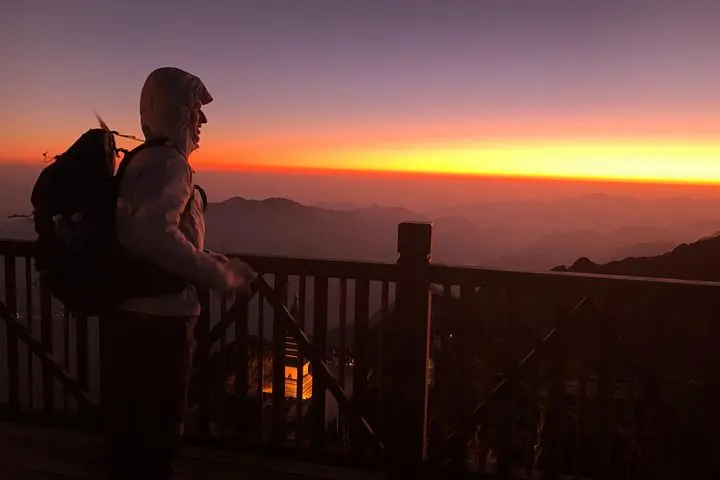
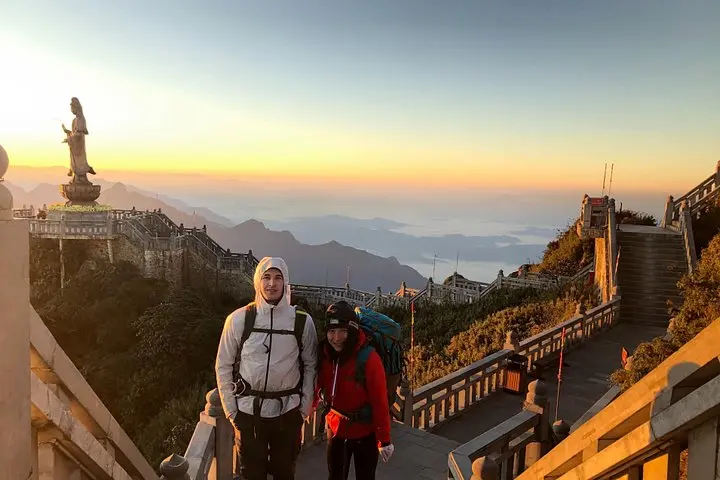
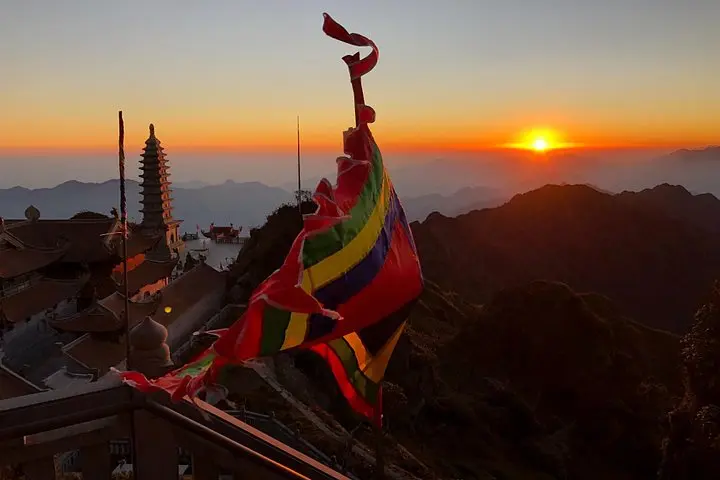
The itinerary uses Tram Ton Pass (≈2,200 m) as a jump-off, gaining the sleeping hut at about 2,800 m the first day. The summit push begins pre-dawn through bamboo forest where the air is sharp and the path alternates between packed soil and exposed rock. Summit weather swings fast; views reward early risers with sea-like clouds and the serrated silhouette of the Hoang Lien range.
Practical guidance: bring layered insulation, waterproof shell, and sturdy boots with ankle support; plan for limited facilities at higher camps; keep hydration and snacks accessible for steep sections. Allow for 8–10 hours of moving time across both days and a moderate to strong fitness baseline. Respect porter workloads and local regulations; leave no trace and pack out what you bring in.
The route starts at Tram Ton (~2,200 m) and reaches the hut (~2,800 m) before a pre-dawn summit; mild altitude effects are possible—move slowly, sleep well and hydrate.
Local English-speaking guides and porters are typically included; porters carry group food and equipment while hikers carry day items and personal gear.
Sturdy, waterproof hiking boots with good tread and ankle support are recommended due to steep, uneven and sometimes muddy terrain.
Minimum age is often 15; physically fit teens with prior hiking experience can manage the trek but should be assessed individually.
The Terrible Tour Guide Travel operates guided outdoor trips and adventures with an emphasis on safety, stewardship, and memorable experiences.
Dawn arrives cold and thin at Tram Ton. You stand under a high, open sky where the Tonkinese ridges dip and rise like the vertebrae of the range — bamboo scrub clings to the slopes and clouds roll through valleys below as if trying to climb themselves.
Dawn arrives cold and thin at Tram Ton. You stand under a high, open sky where the Tonkinese ridges dip and rise like the vertebrae of the range — bamboo scrub clings to the slopes and clouds roll through valleys below as if trying to climb themselves.
Fansipan, at 3,143 m, earned the label “Roof of Indochina” because it dominates the Hoang Lien massif; the mountain’s bedrock is largely metamorphic schist and gneiss shaped by the Himalayan orogeny and subsequent uplift. Sapa’s valleys around it have been cultivated for centuries by ethnic groups — notably the Black Hmong — who know the trails as daily routes for foraging and trade. On this 2-day trek you’ll get an intimate sense of local mountain life: simple rest huts, porters carrying supplies, and fields clinging to steep slopes.
The itinerary uses Tram Ton Pass (≈2,200 m) as a jump-off, gaining the sleeping hut at about 2,800 m the first day. The summit push begins pre-dawn through bamboo forest where the air is sharp and the path alternates between packed soil and exposed rock. Summit weather swings fast; views reward early risers with sea-like clouds and the serrated silhouette of the Hoang Lien range.
Practical guidance: bring layered insulation, waterproof shell, and sturdy boots with ankle support; plan for limited facilities at higher camps; keep hydration and snacks accessible for steep sections. Allow for 8–10 hours of moving time across both days and a moderate to strong fitness baseline. Respect porter workloads and local regulations; leave no trace and pack out what you bring in.