THE ADVENTURE COLLECTIVE® · Independent discovery and booking for outdoor travel

Rise before dawn to watch Lamar Valley come alive: bison, elk, pronghorn, coyotes—and the rare opportunity for wolf glimpses—on a private guided sunrise tour. Expect early starts, expert optics, and roadside viewing optimized for unforgettable encounters.
Rise before dawn to watch Lamar Valley come alive: bison, elk, pronghorn, coyotes—and the rare opportunity for wolf glimpses—on a private guided sunrise tour. Expect early starts, expert optics, and roadside viewing optimized for unforgettable encounters.
Before the sun clears the ridgeline, the valley moves with a low, deliberate energy. Headlamps flick off as the guide eases the vehicle onto the gravel shoulder; steam rises from the river and the valley seems to hold its breath. Ahead, a line of bison—huge and indifferent—munches through frost‑stiff grass while a pair of coyotes silhouette against the pale light. This is Lamar Valley at first light: big sky, slow animals, and a sense that the landscape is watching you back.
Verified experiences and guided adventures in the surrounding area.
Operated by Silver Gate Guides · Silver Gate, Montana
Before the sun clears the ridgeline, the valley moves with a low, deliberate energy. Headlamps flick off as the guide eases the vehicle onto the gravel shoulder; steam rises from the river and the valley seems to hold its breath. Ahead, a line of bison—huge and indifferent—munches through frost‑stiff grass while a pair of coyotes silhouette against the pale light. This is Lamar Valley at first light: big sky, slow animals, and a sense that the landscape is watching you back.
Lamar Valley earned its nickname—“the Serengeti of North America”—because it concentrates large mammals across open grassland carved by ice and river. Geologically the valley is a product of glacial sculpting and alluvial fans, with streams like the Lamar and Soda Butte carving sinuous corridors that animals follow. The land also carries cultural layers: this is treaty and travel country for the Crow and Shoshone peoples, and later a landscape of trappers, homesteaders, and park rangers who shaped the valley’s modern uses.
Silver Gate and nearby Cooke City are the human gateways; tour operators like Silver Gate Guides stage from roadside meeting points so small groups can be first into the valley. Guides carry optics—Swarovski and Vortex—so you can watch elk calves, pronghorn, and wolves at distances that keep both you and the animals safe. In spring and fall the valley hums with migration and rutting behavior; summer opens wildflower bands and long, warm mornings; winter cloaks the terrain in snow and compresses wildlife into predictable corridors.
Practically: this private sunrise run is 4–5 hours and designed for early-morning activity windows—expect a 3:30–5:30 a.m. start depending on season. Dress in warm layers, bring a headlamp and a warm drink (the tour provides Grizzly Coffee and breakfast snacks), and keep camera gear ready with a telephoto lens. Maintain park distances—100 yards for bears and wolves, 25 for other wildlife—and let the guide manage stops and spotting. Roads in the valley are paved but narrow; the trip includes short roadside stops rather than long hikes, making it accessible to most fitness levels.
The payoff is simple: slow, intimate watching as the valley arranges its characters—bison, elk, pronghorn, wolves—into scenes you won’t forget. Come prepared, keep expectations realistic (wildlife is never guaranteed), and you’ll leave with sharp photos, sharper memories, and a deeper sense of how Yellowstone’s plains behave before the day truly begins.
Start times vary by season to match wildlife activity; expect a pre-dawn pickup so you’re in Lamar Valley at first light.
Yes—guides supply Swarovski or Vortex binoculars and spotting scopes for all guests.
Children are welcome, but bookings require full names and age bands; parents should ensure kids can sit quietly during roadside spotting.
All sales are final—there are no refunds for cancellations per the operator’s policy.
Facilities are limited; there are occasional roadside restrooms but expect only pit or vault toilets in park areas—plan accordingly.
The tour operates inside Yellowstone; guests are responsible for applicable park entrance fees if not included by the operator—confirm at booking.
Silver Gate Guides operates guided outdoor trips and adventures with an emphasis on safety, stewardship, and memorable experiences.
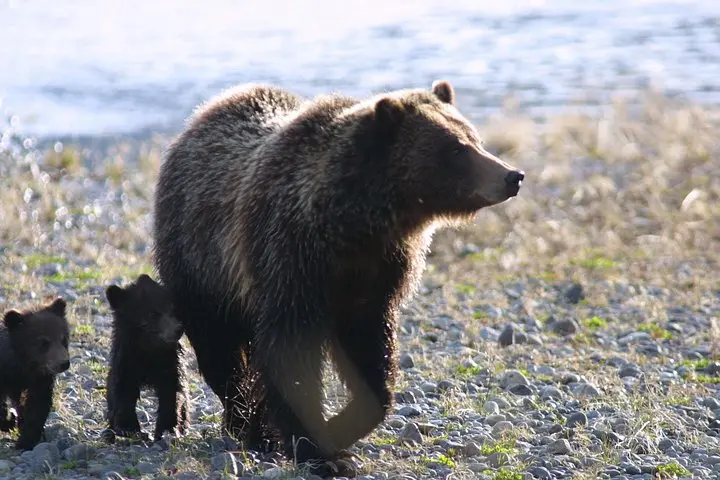
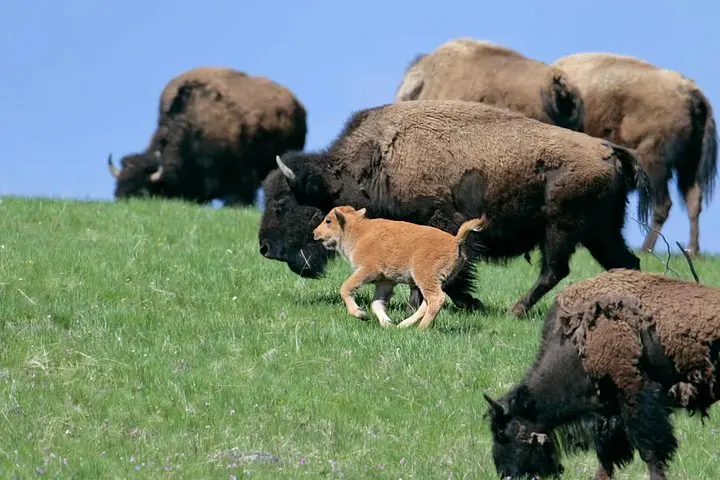
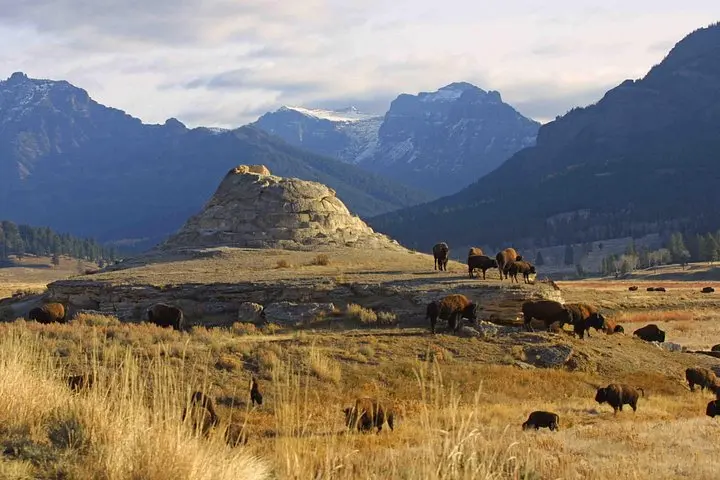
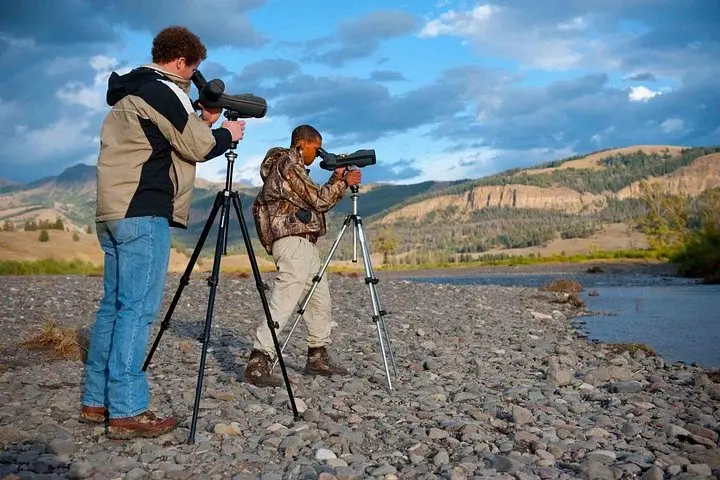
Before the sun clears the ridgeline, the valley moves with a low, deliberate energy. Headlamps flick off as the guide eases the vehicle onto the gravel shoulder; steam rises from the river and the valley seems to hold its breath. Ahead, a line of bison—huge and indifferent—munches through frost‑stiff grass while a pair of coyotes silhouette against the pale light. This is Lamar Valley at first light: big sky, slow animals, and a sense that the landscape is watching you back.
Before the sun clears the ridgeline, the valley moves with a low, deliberate energy. Headlamps flick off as the guide eases the vehicle onto the gravel shoulder; steam rises from the river and the valley seems to hold its breath. Ahead, a line of bison—huge and indifferent—munches through frost‑stiff grass while a pair of coyotes silhouette against the pale light. This is Lamar Valley at first light: big sky, slow animals, and a sense that the landscape is watching you back.
Lamar Valley earned its nickname—“the Serengeti of North America”—because it concentrates large mammals across open grassland carved by ice and river. Geologically the valley is a product of glacial sculpting and alluvial fans, with streams like the Lamar and Soda Butte carving sinuous corridors that animals follow. The land also carries cultural layers: this is treaty and travel country for the Crow and Shoshone peoples, and later a landscape of trappers, homesteaders, and park rangers who shaped the valley’s modern uses.
Silver Gate and nearby Cooke City are the human gateways; tour operators like Silver Gate Guides stage from roadside meeting points so small groups can be first into the valley. Guides carry optics—Swarovski and Vortex—so you can watch elk calves, pronghorn, and wolves at distances that keep both you and the animals safe. In spring and fall the valley hums with migration and rutting behavior; summer opens wildflower bands and long, warm mornings; winter cloaks the terrain in snow and compresses wildlife into predictable corridors.
Practically: this private sunrise run is 4–5 hours and designed for early-morning activity windows—expect a 3:30–5:30 a.m. start depending on season. Dress in warm layers, bring a headlamp and a warm drink (the tour provides Grizzly Coffee and breakfast snacks), and keep camera gear ready with a telephoto lens. Maintain park distances—100 yards for bears and wolves, 25 for other wildlife—and let the guide manage stops and spotting. Roads in the valley are paved but narrow; the trip includes short roadside stops rather than long hikes, making it accessible to most fitness levels.
The payoff is simple: slow, intimate watching as the valley arranges its characters—bison, elk, pronghorn, wolves—into scenes you won’t forget. Come prepared, keep expectations realistic (wildlife is never guaranteed), and you’ll leave with sharp photos, sharper memories, and a deeper sense of how Yellowstone’s plains behave before the day truly begins.