THE ADVENTURE COLLECTIVE® · Independent discovery and booking for outdoor travel

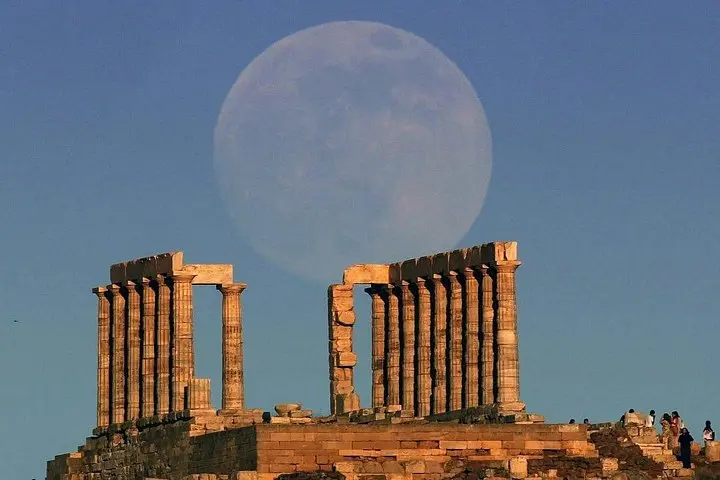
Drive the Athenian Riviera to Cape Sounio for an intimate half‑day private tour of the Temple of Poseidon. Time your visit for sunset to see the marble columns glow over the Saronic Gulf.
Drive the Athenian Riviera to Cape Sounio for an intimate half‑day private tour of the Temple of Poseidon. Time your visit for sunset to see the marble columns glow over the Saronic Gulf.
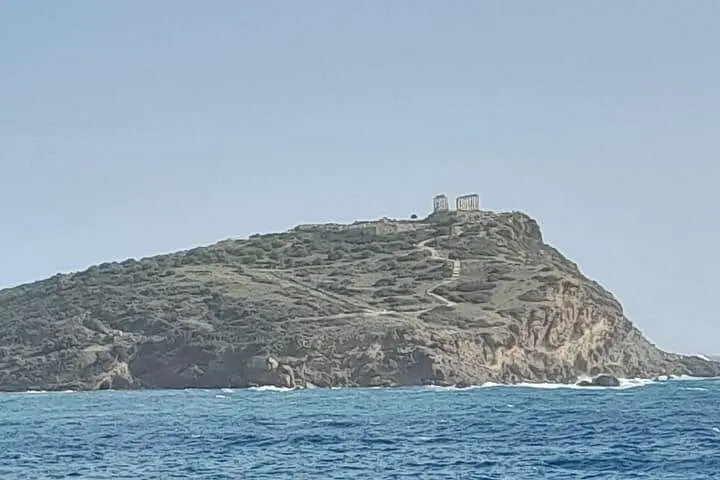
The road south from Athens peels away from the city; the Athenian Riviera unfurls—marinas, scrubby cliffs and beaches flash past as the sea widens and the air sharpens with salt. By the time the marble columns of the Temple of Poseidon appear on the rocky promontory, the coast feels less like a postcard and more like an arrival: wind pushing, light cooling, the gulf opening toward the Cyclades.
Verified experiences and guided adventures in the surrounding area.
Operated by EURODIRECTIONS · Sounio, Attica
The road south from Athens peels away from the city; the Athenian Riviera unfurls—marinas, scrubby cliffs and beaches flash past as the sea widens and the air sharpens with salt. By the time the marble columns of the Temple of Poseidon appear on the rocky promontory, the coast feels less like a postcard and more like an arrival: wind pushing, light cooling, the gulf opening toward the Cyclades.
Built in the 5th century BC during Athens’ Golden Age, the temple stands on earlier foundations destroyed in Persian wars. Its white columns still read like a navigational signal: a seafaring landmark and a ceremonial frontier for ancient Athenians. Geologically, Sounio is a compact headland of weathered limestone and coastal rock, where waves and wind have carved terraces and ledges that frame wide sea views.
Local life mixes quiet fishing coves, a handful of chapels and the surprisingly verdant Lake Vouliagmeni — a natural brackish pool often included on coastal runs. Greeks come here for the light: afternoons that sharpen stone, and sunsets that paint the Aegean copper.
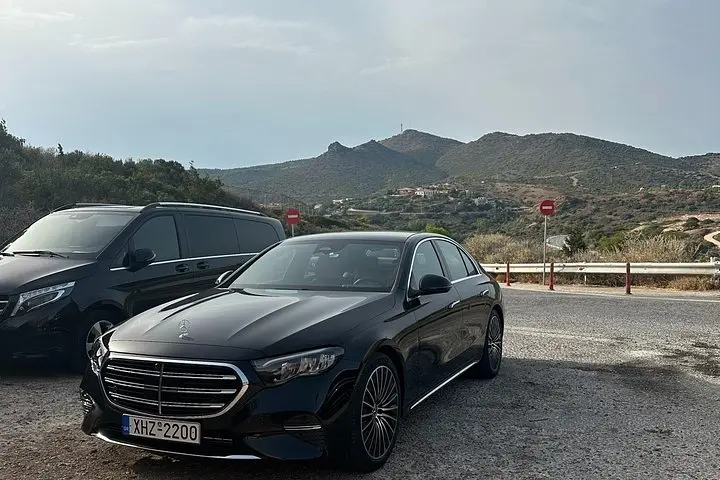
Practical edge: the tour is a private, roughly five‑hour outing from Athens that includes pickup, air‑conditioned transport, bottled water and a short stop at Lake Vouliagmeni. Admission to the temple is typically paid on site. Expect short, uneven walks on rocky ground; sneakers or low‑profile hiking shoes and sun protection are smart. Aim to arrive 45–60 minutes before sunset for the full spectacle and cooler walking. Bring a camera, a light jacket for the breeze, and respect roped areas—this is both archaeological site and coastal habitat.
The private half‑day tour lasts about five hours, including coastal stops and time at the Temple of Poseidon.
Admission to the archaeological site is typically not included and is paid on site; the tour covers transport and bottled water.
Yes—infant seats are available and the tour is suitable for a wide range of fitness levels, though the promontory has uneven ground.
Late afternoon into sunset offers the most dramatic light and cooler conditions; arrive early enough to explore before dusk.
EURODIRECTIONS operates guided outdoor trips and adventures with an emphasis on safety, stewardship, and memorable experiences.

The road south from Athens peels away from the city; the Athenian Riviera unfurls—marinas, scrubby cliffs and beaches flash past as the sea widens and the air sharpens with salt. By the time the marble columns of the Temple of Poseidon appear on the rocky promontory, the coast feels less like a postcard and more like an arrival: wind pushing, light cooling, the gulf opening toward the Cyclades.
The road south from Athens peels away from the city; the Athenian Riviera unfurls—marinas, scrubby cliffs and beaches flash past as the sea widens and the air sharpens with salt. By the time the marble columns of the Temple of Poseidon appear on the rocky promontory, the coast feels less like a postcard and more like an arrival: wind pushing, light cooling, the gulf opening toward the Cyclades.
Built in the 5th century BC during Athens’ Golden Age, the temple stands on earlier foundations destroyed in Persian wars. Its white columns still read like a navigational signal: a seafaring landmark and a ceremonial frontier for ancient Athenians. Geologically, Sounio is a compact headland of weathered limestone and coastal rock, where waves and wind have carved terraces and ledges that frame wide sea views.
Local life mixes quiet fishing coves, a handful of chapels and the surprisingly verdant Lake Vouliagmeni — a natural brackish pool often included on coastal runs. Greeks come here for the light: afternoons that sharpen stone, and sunsets that paint the Aegean copper.
Practical edge: the tour is a private, roughly five‑hour outing from Athens that includes pickup, air‑conditioned transport, bottled water and a short stop at Lake Vouliagmeni. Admission to the temple is typically paid on site. Expect short, uneven walks on rocky ground; sneakers or low‑profile hiking shoes and sun protection are smart. Aim to arrive 45–60 minutes before sunset for the full spectacle and cooler walking. Bring a camera, a light jacket for the breeze, and respect roped areas—this is both archaeological site and coastal habitat.