THE ADVENTURE COLLECTIVE® · Independent discovery and booking for outdoor travel

Drive across one of Earth’s largest salt deserts on an eight‑hour 4x4 loop that hits the Train Cemetery, Colchani salt works, the Hotel de Sal museum and Incahuasi Island—finishing with a luminous sunset over the flats. Lunch and English guide included.
Drive across one of Earth’s largest salt deserts on an eight‑hour 4x4 loop that hits the Train Cemetery, Colchani salt works, the Hotel de Sal museum and Incahuasi Island—finishing with a luminous sunset over the flats. Lunch and English guide included.
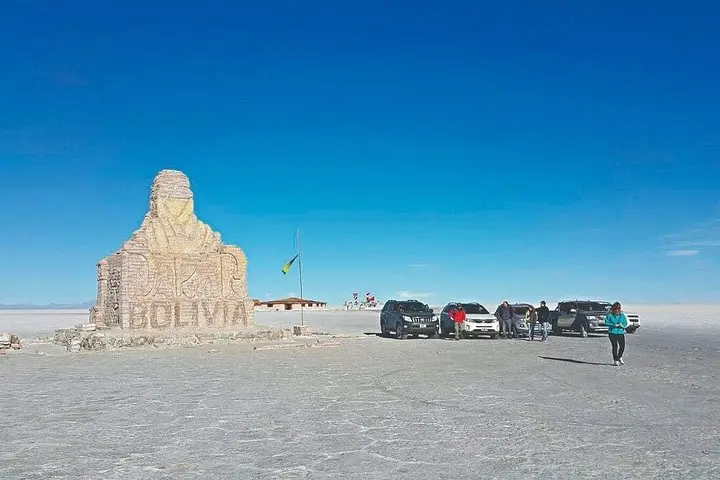
A low sun throws long blue shadows across an endless white plain as your 4x4 eases onto the crust of the Salar; wind tracks ripple like a frozen ocean daring you to move faster. This full‑day loop from Uyuni threads through industrial relics and scrubby high‑altiplano before opening onto the salt desert’s blank, luminous floor where the horizon seems to fold back on itself.
Verified experiences and guided adventures in the surrounding area.
Operated by Uyuni Experience · Uyuni, Potosí Department
A low sun throws long blue shadows across an endless white plain as your 4x4 eases onto the crust of the Salar; wind tracks ripple like a frozen ocean daring you to move faster. This full‑day loop from Uyuni threads through industrial relics and scrubby high‑altiplano before opening onto the salt desert’s blank, luminous floor where the horizon seems to fold back on itself.
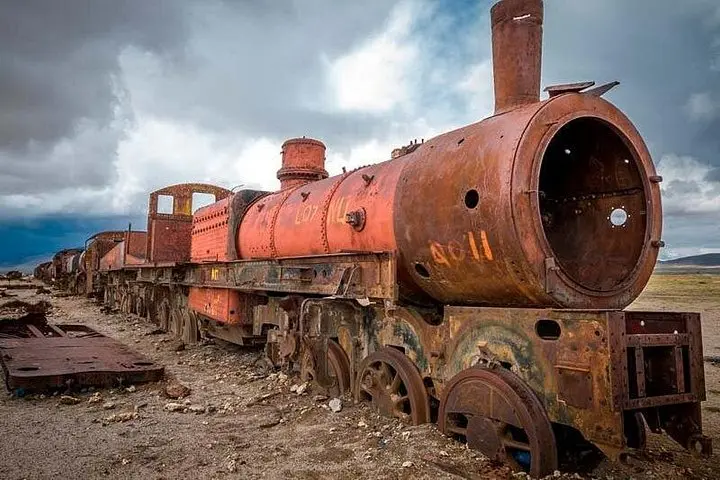
The route typically visits the Train Cemetery — a rusted reminder of 19th‑century railway ambitions — then the salt‑working village of Colchani where salt pyramids and simple handicrafts speak to local livelihoods. The Salar itself is the evaporated bed of prehistoric lakes and one of the planet’s largest salt pans; Incahuasi Island rises from the crust as a coral‑rock outcrop crowned in giant cacti and provides the best panoramic vantage for sunset photography. Local culture here blends Aymara traditions with salt harvest practices that continue today.
Practically: the tour runs about eight hours, includes lunch and round‑trip transfers, and uses 4x4 transport. Expect strong sun, biting wind, and thin air — Uyuni sits above 3,600 m — so pack layers, sun protection, and water. Photography timing matters; the low angle around sunset creates dramatic depth and, in the rainy season, the famous mirror reflections. Respect the salt crust by staying on established tracks, avoid removing salt, and follow your guide’s safety briefings. With basic conditioning and altitude awareness, the day is accessible, memorable, and easily planned from Uyuni town.
The tour is about eight hours and typically includes round‑trip transfers, an English‑speaking guide, lunch, 4x4 transport and stops at Train Cemetery, Colchani, the Salar and Incahuasi.
Yes — Uyuni sits around 3,600 m. Drink water, avoid alcohol the day before, and consider a day of acclimatization; seek medical advice if you have heart or respiratory issues.
The mirror reflections happen in the rainy season (roughly December–March) when a thin layer of water covers the salt; timing depends on recent weather and local conditions.
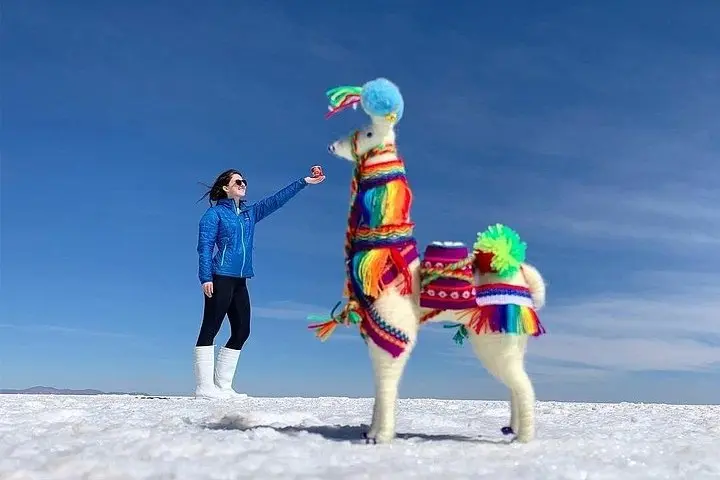
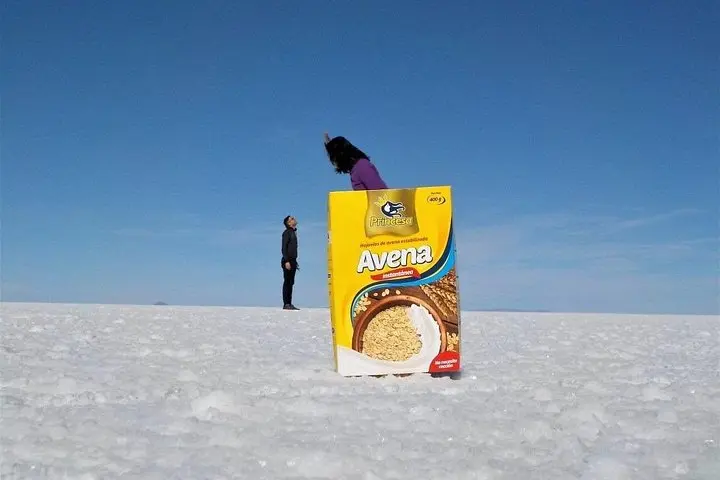
Yes, photography is allowed and popular, but avoid removing salt or disturbing the surface; follow your guide’s instructions to protect the landscape.
Uyuni Experience operates guided outdoor trips and adventures with an emphasis on safety, stewardship, and memorable experiences.
A low sun throws long blue shadows across an endless white plain as your 4x4 eases onto the crust of the Salar; wind tracks ripple like a frozen ocean daring you to move faster. This full‑day loop from Uyuni threads through industrial relics and scrubby high‑altiplano before opening onto the salt desert’s blank, luminous floor where the horizon seems to fold back on itself.
A low sun throws long blue shadows across an endless white plain as your 4x4 eases onto the crust of the Salar; wind tracks ripple like a frozen ocean daring you to move faster. This full‑day loop from Uyuni threads through industrial relics and scrubby high‑altiplano before opening onto the salt desert’s blank, luminous floor where the horizon seems to fold back on itself.
The route typically visits the Train Cemetery — a rusted reminder of 19th‑century railway ambitions — then the salt‑working village of Colchani where salt pyramids and simple handicrafts speak to local livelihoods. The Salar itself is the evaporated bed of prehistoric lakes and one of the planet’s largest salt pans; Incahuasi Island rises from the crust as a coral‑rock outcrop crowned in giant cacti and provides the best panoramic vantage for sunset photography. Local culture here blends Aymara traditions with salt harvest practices that continue today.
Practically: the tour runs about eight hours, includes lunch and round‑trip transfers, and uses 4x4 transport. Expect strong sun, biting wind, and thin air — Uyuni sits above 3,600 m — so pack layers, sun protection, and water. Photography timing matters; the low angle around sunset creates dramatic depth and, in the rainy season, the famous mirror reflections. Respect the salt crust by staying on established tracks, avoid removing salt, and follow your guide’s safety briefings. With basic conditioning and altitude awareness, the day is accessible, memorable, and easily planned from Uyuni town.