THE ADVENTURE COLLECTIVE® · Independent discovery and booking for outdoor travel

Ride the world’s fastest elevator to the Burj Khalifa 125th-floor observation deck for sunset panoramas and the Dubai Fountain show. This guide covers what to expect, local context, and practical tips for timing, dress, and photography.
Ride the world’s fastest elevator to the Burj Khalifa 125th-floor observation deck for sunset panoramas and the Dubai Fountain show. This guide covers what to expect, local context, and practical tips for timing, dress, and photography.
The elevator pins you to the glass like a spacecraft; in less than a minute the city stretches beneath you, a patchwork of light and sand. From the 125th-floor observation balcony the emirate opens in 360-degree clarity — glittering towers, the lake that frames the Fountain, and the Arabian Gulf pushed to the horizon. As the sun drops, glass and steel shift color and the Fountain below begins its choreography, water arcs answering the music as if the city breathes with it.
Verified experiences and guided adventures in the surrounding area.
Operated by GetExplore · Dubai, Dubai
The elevator pins you to the glass like a spacecraft; in less than a minute the city stretches beneath you, a patchwork of light and sand. From the 125th-floor observation balcony the emirate opens in 360-degree clarity — glittering towers, the lake that frames the Fountain, and the Arabian Gulf pushed to the horizon. As the sun drops, glass and steel shift color and the Fountain below begins its choreography, water arcs answering the music as if the city breathes with it.
The Burj Khalifa rose from Dubai’s rapid urban reinvention, completed in 2010 and designed by Adrian Smith. Built atop reclaimed land and desert substrata, the tower’s engineering responds to wind loads and heat with a tapered design derived from regional forms. Downtown Dubai around the tower blends modern commercial ambitions with local Bedouin heritage visible in museums, markets and regional cuisine nearby.
Practical notes: book a sunset time well in advance — evening slots sell out. Allow extra time for security screening and luggage checks; the building enforces a modest dress code in public spaces out of cultural respect. The telescopes on the deck aid skyline orientation; if photography is the aim, bring a small tripod and lens that handles backlit scenes. Hydrate before and after your visit—Dubai’s heat can linger into dusk—and take the Metro or a prearranged hotel transfer to avoid traffic and parking delays. The experience is short on exertion but big on perspective: a pulse-quickening reminder of how human ambition can reshape a coastline and a skyline all at once.
Yes — the observation balcony offers a direct vantage to watch the choreographed fountain performances, synchronized with music and lights.
Yes — Burj Khalifa has lift access and accessible routes to the observation decks; notify your booking provider of any mobility needs in advance.
This particular ticket policy states all sales are final—check the vendor’s terms before purchase and consider travel insurance for flexibility.
Sunset provides dramatic color and the fountain show; arrive earlier to scout viewpoints and use HDR or bracketed exposures for the skyline.
GetExplore operates guided outdoor trips and adventures with an emphasis on safety, stewardship, and memorable experiences.
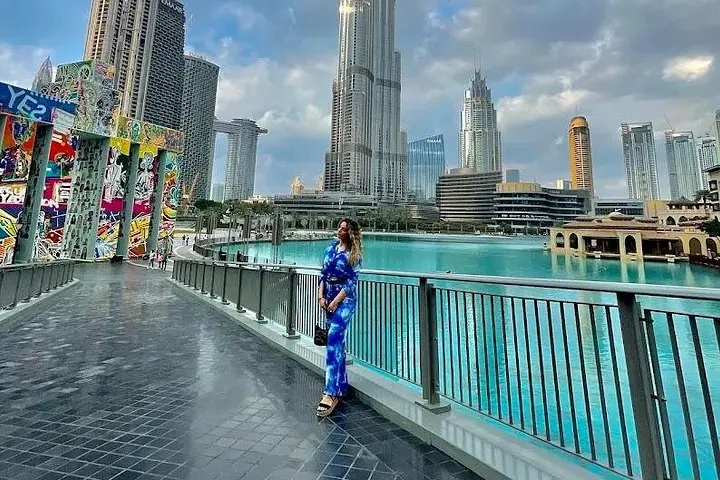
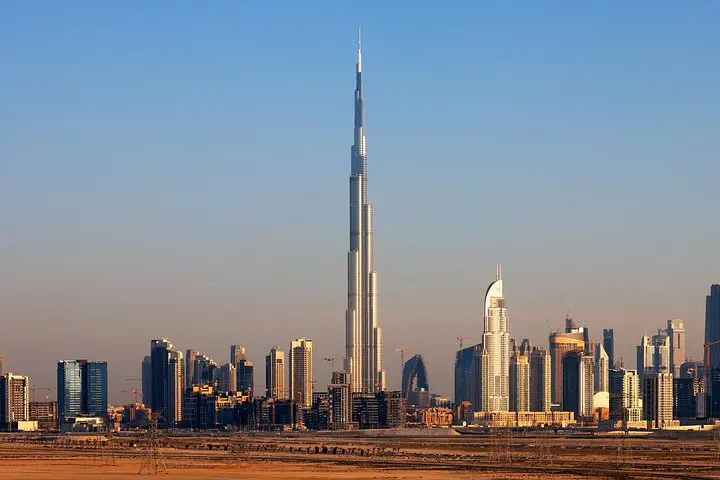
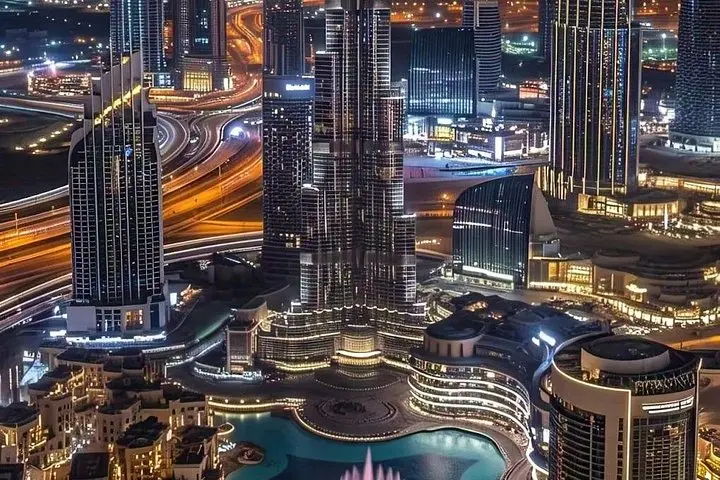
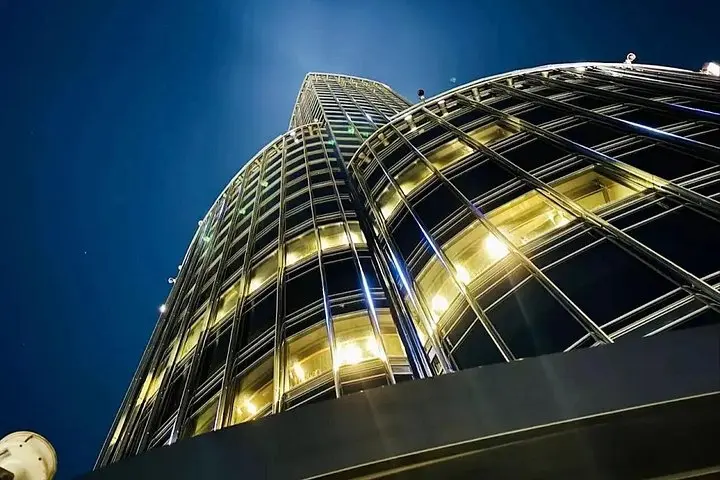
The elevator pins you to the glass like a spacecraft; in less than a minute the city stretches beneath you, a patchwork of light and sand. From the 125th-floor observation balcony the emirate opens in 360-degree clarity — glittering towers, the lake that frames the Fountain, and the Arabian Gulf pushed to the horizon. As the sun drops, glass and steel shift color and the Fountain below begins its choreography, water arcs answering the music as if the city breathes with it.
The elevator pins you to the glass like a spacecraft; in less than a minute the city stretches beneath you, a patchwork of light and sand. From the 125th-floor observation balcony the emirate opens in 360-degree clarity — glittering towers, the lake that frames the Fountain, and the Arabian Gulf pushed to the horizon. As the sun drops, glass and steel shift color and the Fountain below begins its choreography, water arcs answering the music as if the city breathes with it.
The Burj Khalifa rose from Dubai’s rapid urban reinvention, completed in 2010 and designed by Adrian Smith. Built atop reclaimed land and desert substrata, the tower’s engineering responds to wind loads and heat with a tapered design derived from regional forms. Downtown Dubai around the tower blends modern commercial ambitions with local Bedouin heritage visible in museums, markets and regional cuisine nearby.
Practical notes: book a sunset time well in advance — evening slots sell out. Allow extra time for security screening and luggage checks; the building enforces a modest dress code in public spaces out of cultural respect. The telescopes on the deck aid skyline orientation; if photography is the aim, bring a small tripod and lens that handles backlit scenes. Hydrate before and after your visit—Dubai’s heat can linger into dusk—and take the Metro or a prearranged hotel transfer to avoid traffic and parking delays. The experience is short on exertion but big on perspective: a pulse-quickening reminder of how human ambition can reshape a coastline and a skyline all at once.