THE ADVENTURE COLLECTIVE® · Independent discovery and booking for outdoor travel

Watch the sun drop behind the Indian Ocean from Uluwatu’s cliff edge and experience Bali’s Kecak fire dance after a stop at the monumental GWK cultural park. This half-day private tour blends dramatic coastal geology with living Balinese ritual.
Watch the sun drop behind the Indian Ocean from Uluwatu’s cliff edge and experience Bali’s Kecak fire dance after a stop at the monumental GWK cultural park. This half-day private tour blends dramatic coastal geology with living Balinese ritual.
You step out of an air-conditioned car into a wind that smells of salt and incense. The ride from Kuta peels away the tourist-strip hum and delivers you to two very different scales of Bali: first the monumental Garuda Wisnu Kencana cultural park, its enormous Vishnu-and-eagle statue looming like a metal giant over carved plazas; then the razor edge of Uluwatu, where a 120-meter limestone headland drops into the Indian Ocean and the cliff’s spray dares you closer.
Verified experiences and guided adventures in the surrounding area.
Operated by Bali Everyday Trip · Uluwatu, Bali
You step out of an air-conditioned car into a wind that smells of salt and incense. The ride from Kuta peels away the tourist-strip hum and delivers you to two very different scales of Bali: first the monumental Garuda Wisnu Kencana cultural park, its enormous Vishnu-and-eagle statue looming like a metal giant over carved plazas; then the razor edge of Uluwatu, where a 120-meter limestone headland drops into the Indian Ocean and the cliff’s spray dares you closer.
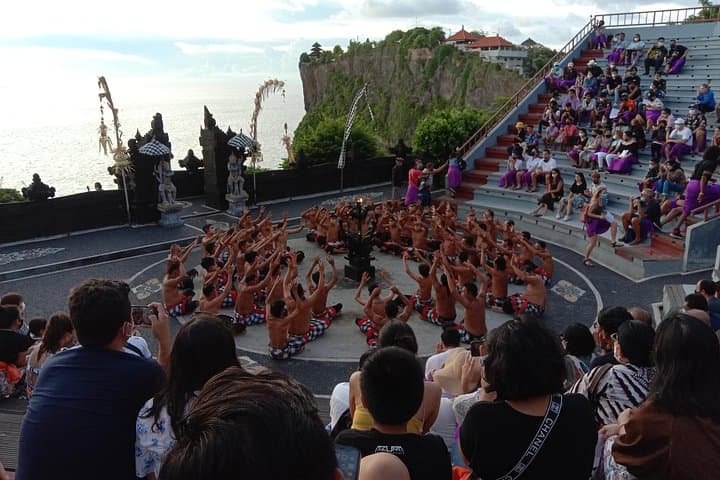
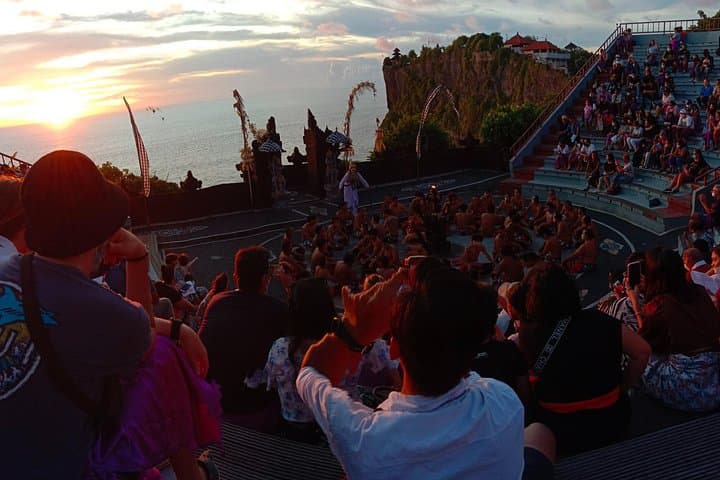
GWK is modern nationalism in stone—massive bronze and concrete plates assembled to honor Hindu mythology and Balinese identity. Uluwatu is older rock: uplifted coral limestone scoured by monsoon swells and tidal currents, with tidepools and narrow paths that funnel light to the horizon at dusk. Culture threads through both stops: at Uluwatu you’ll watch the Kecak fire dance, a vocal, rhythmic retelling of the Ramayana staged without instruments; the dancers and chorus fold the cliff into myth for an hour.
Expect close encounters with vocal, opportunistic macaques—they’ll go for loose items and sunglasses. Guides generally handle tickets and timings; most groups aim to arrive by 4:30pm for daylight at the temple and the 6pm Kecak show. Practicalities matter: sturdy shoes for uneven limestone, a small anti-theft pouch, sun protection, and the patience to queue for viewpoints. The tour is accessible for most fitness levels, runs about 5–6 hours including transfers, and pairs dramatic coastal geology with a sharply local cultural experience.
The tour typically handles arrangements but performance tickets may depend on show availability; confirm with the operator at booking.
Monkeys are wild and can be aggressive; keep belongings zipped, avoid direct eye contact and follow guides’ instructions.
Yes—it's listed as suitable for all fitness levels, but infants must sit on laps and children should be supervised around cliffs and monkeys.
Bring small cash for souvenirs, snacks or additional entrance fees; the tour covers basic parking and bottled water but not all concessions.
Bali Everyday Trip operates guided outdoor trips and adventures with an emphasis on safety, stewardship, and memorable experiences.

You step out of an air-conditioned car into a wind that smells of salt and incense. The ride from Kuta peels away the tourist-strip hum and delivers you to two very different scales of Bali: first the monumental Garuda Wisnu Kencana cultural park, its enormous Vishnu-and-eagle statue looming like a metal giant over carved plazas; then the razor edge of Uluwatu, where a 120-meter limestone headland drops into the Indian Ocean and the cliff’s spray dares you closer.
You step out of an air-conditioned car into a wind that smells of salt and incense. The ride from Kuta peels away the tourist-strip hum and delivers you to two very different scales of Bali: first the monumental Garuda Wisnu Kencana cultural park, its enormous Vishnu-and-eagle statue looming like a metal giant over carved plazas; then the razor edge of Uluwatu, where a 120-meter limestone headland drops into the Indian Ocean and the cliff’s spray dares you closer.
GWK is modern nationalism in stone—massive bronze and concrete plates assembled to honor Hindu mythology and Balinese identity. Uluwatu is older rock: uplifted coral limestone scoured by monsoon swells and tidal currents, with tidepools and narrow paths that funnel light to the horizon at dusk. Culture threads through both stops: at Uluwatu you’ll watch the Kecak fire dance, a vocal, rhythmic retelling of the Ramayana staged without instruments; the dancers and chorus fold the cliff into myth for an hour.
Expect close encounters with vocal, opportunistic macaques—they’ll go for loose items and sunglasses. Guides generally handle tickets and timings; most groups aim to arrive by 4:30pm for daylight at the temple and the 6pm Kecak show. Practicalities matter: sturdy shoes for uneven limestone, a small anti-theft pouch, sun protection, and the patience to queue for viewpoints. The tour is accessible for most fitness levels, runs about 5–6 hours including transfers, and pairs dramatic coastal geology with a sharply local cultural experience.