THE ADVENTURE COLLECTIVE® · Independent discovery and booking for outdoor travel

Ride across the Giza Plateau at sunset for a close, private view of the Great Pyramids. This half-day camel-or-horse excursion pairs easy riding with hotel pickup, snacks and a guided sunset viewpoint outside the archaeological perimeter.
Ride across the Giza Plateau at sunset for a close, private view of the Great Pyramids. This half-day camel-or-horse excursion pairs easy riding with hotel pickup, snacks and a guided sunset viewpoint outside the archaeological perimeter.
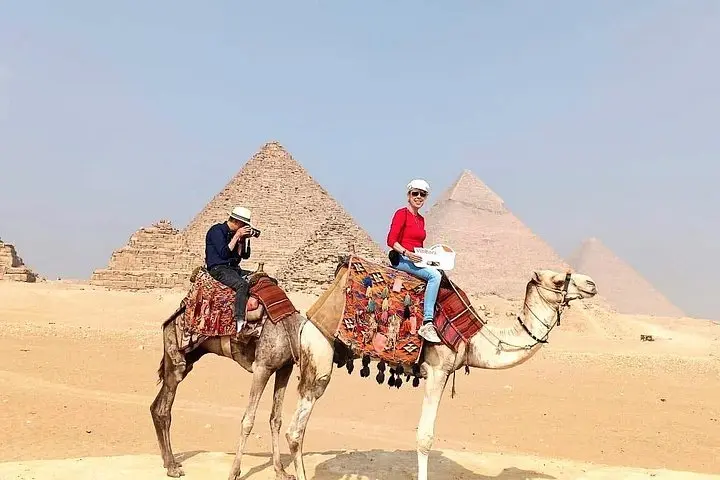
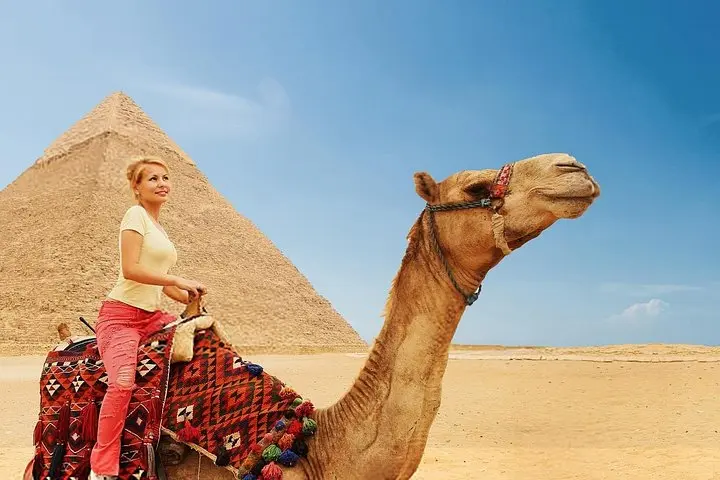
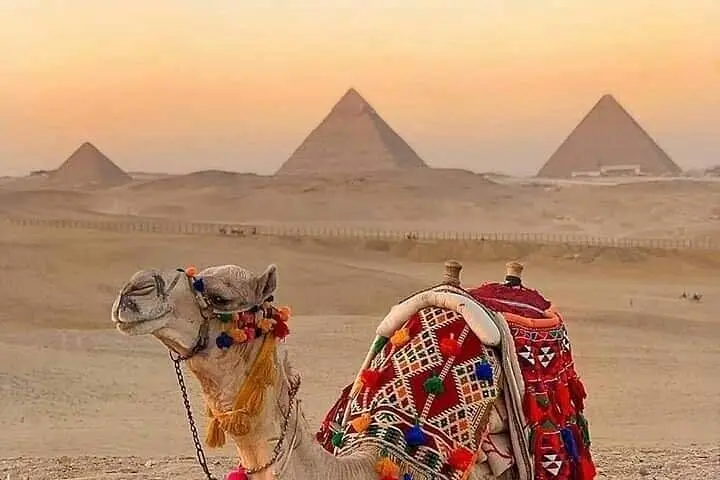
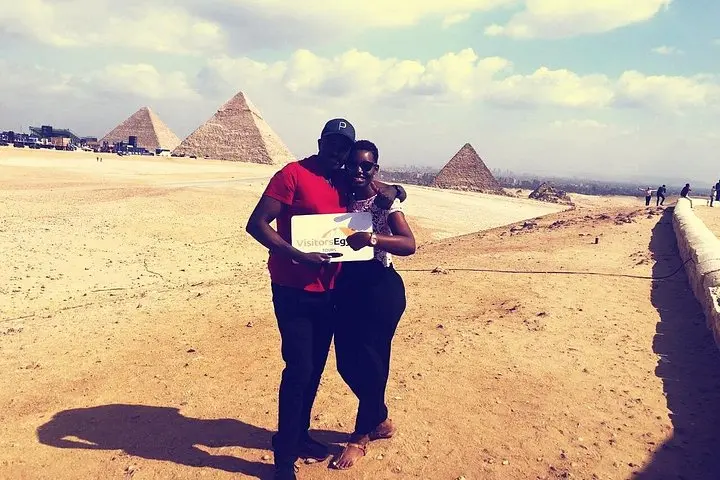
A low sun slants across wind-polished limestone as a small private group moves out onto the Giza plateau. The warm air smells faintly of dust and spice; camels rattle their harnesses while horses toss manes. From the saddle guests get an immediate, wide-angle relationship with the three great pyramids — Khufu, Khafre and Menkaure — their lines cutting clean into the sky as the desert light flattens and sharpens the stones.
Verified experiences and guided adventures in the surrounding area.
Operated by Three Pyramids Tours · Giza, Giza Governorate
A low sun slants across wind-polished limestone as a small private group moves out onto the Giza plateau. The warm air smells faintly of dust and spice; camels rattle their harnesses while horses toss manes. From the saddle guests get an immediate, wide-angle relationship with the three great pyramids — Khufu, Khafre and Menkaure — their lines cutting clean into the sky as the desert light flattens and sharpens the stones.
These structures date to around 2560 BCE, built as royal tombs during Egypt’s Fourth Dynasty. The plateau’s geology is mostly Eocene limestone; erosion and human activity have shaped the apron of sand and compacted soil riders will cross. Local camel handlers and equestrians—many with family ties to the plateau—offer a living link between modern Cairo and ancient ritual pathways.
Logistics are straightforward: this private, half-day tour includes hotel pickup in an air-conditioned vehicle, a guided ride at sunset, snacks and a return. Expect uneven sandy footing, short mounted transfers and photo stops at scenic viewpoints outside the fenced archaeological zones. Practical prep matters: bring sun protection, carry water in a sturdy bottle, wear stable closed-toe shoes and keep valuables secure while photographing. Respect site rules: no climbing on monuments, follow your guide’s directions around animals, and tip handlers directly if you’re pleased with the experience.
A saddle here feels less like transport and more like a way to read the plateau—silent, shifting, edged by history and a steady desert wind that seems to carry stories forward.
Yes — the tour includes pickup and drop-off from most central Cairo and Giza hotels in an air-conditioned vehicle; confirm your pickup point when booking.
Yes — guests can typically select a camel or horse at booking or on arrival depending on availability and experience level.
Children are often allowed but must follow local age/weight guidance; the tour is not recommended for travelers with spinal injuries or severe back problems.
Photography is permitted outside the protected monuments; avoid using drones and follow guides’ directions regarding restricted areas.
Three Pyramids Tours operates guided outdoor trips and adventures with an emphasis on safety, stewardship, and memorable experiences.
A low sun slants across wind-polished limestone as a small private group moves out onto the Giza plateau. The warm air smells faintly of dust and spice; camels rattle their harnesses while horses toss manes. From the saddle guests get an immediate, wide-angle relationship with the three great pyramids — Khufu, Khafre and Menkaure — their lines cutting clean into the sky as the desert light flattens and sharpens the stones.
A low sun slants across wind-polished limestone as a small private group moves out onto the Giza plateau. The warm air smells faintly of dust and spice; camels rattle their harnesses while horses toss manes. From the saddle guests get an immediate, wide-angle relationship with the three great pyramids — Khufu, Khafre and Menkaure — their lines cutting clean into the sky as the desert light flattens and sharpens the stones.
These structures date to around 2560 BCE, built as royal tombs during Egypt’s Fourth Dynasty. The plateau’s geology is mostly Eocene limestone; erosion and human activity have shaped the apron of sand and compacted soil riders will cross. Local camel handlers and equestrians—many with family ties to the plateau—offer a living link between modern Cairo and ancient ritual pathways.
Logistics are straightforward: this private, half-day tour includes hotel pickup in an air-conditioned vehicle, a guided ride at sunset, snacks and a return. Expect uneven sandy footing, short mounted transfers and photo stops at scenic viewpoints outside the fenced archaeological zones. Practical prep matters: bring sun protection, carry water in a sturdy bottle, wear stable closed-toe shoes and keep valuables secure while photographing. Respect site rules: no climbing on monuments, follow your guide’s directions around animals, and tip handlers directly if you’re pleased with the experience.
A saddle here feels less like transport and more like a way to read the plateau—silent, shifting, edged by history and a steady desert wind that seems to carry stories forward.