THE ADVENTURE COLLECTIVE® · Independent discovery and booking for outdoor travel

Circle the Great Pyramids at golden hour on camelback or horseback for a compact, atmospheric introduction to one of the world’s oldest sites. This guided tour pairs an easy ride with sweeping views and practical pickup from central Cairo.
Circle the Great Pyramids at golden hour on camelback or horseback for a compact, atmospheric introduction to one of the world’s oldest sites. This guided tour pairs an easy ride with sweeping views and practical pickup from central Cairo.
The air above the Giza Plateau cools as the sun slides behind the limestone faces of Cheops, Chephren and Mykerinus. You step from an air-conditioned vehicle into dust-scented wind; the camel handler calls, hooves and padded feet settle into sand, and the pyramids shift from distant monuments to companions you can circle on camelback or horseback.
Verified experiences and guided adventures in the surrounding area.
Operated by Three Pyramids Tours · Giza, Giza Governorate
The air above the Giza Plateau cools as the sun slides behind the limestone faces of Cheops, Chephren and Mykerinus. You step from an air-conditioned vehicle into dust-scented wind; the camel handler calls, hooves and padded feet settle into sand, and the pyramids shift from distant monuments to companions you can circle on camelback or horseback.
These structures date to the Fourth Dynasty (c. 2600–2500 BCE) and were long the tallest man-made monuments on earth. The plateau’s geology—Nile-deposited limestone capped by wind-polished sand—creates the broad, hard-packed surfaces that make short riding loops possible. Local culture around Giza blends modern Cairo life with longstanding Bedouin equestrian and camel-keeping traditions; handlers often come from families who have worked the plateau for generations.
Practically, expect 4–6 hours total including hotel pickup, a guided viewing of the three major pyramids, and a 20–40 minute camel or horse ride at the plateau’s edge, timed for late afternoon to catch long shadows. Wear closed-toe shoes for rocky approaches, sun protection, and bring at least 1–1.5L of water; handlers provide basic saddlery but rides are not technical. Respect restricted zones—climbing the pyramids is prohibited—and follow your guide’s path to avoid fragile archaeological areas.
Plan for shifting light, sharp contrasts in temperature after sunset, and crowds at prime viewpoints. A short walk toward the Solar Boat Museum or the plateau’s quieter ridges rewards those who want a less crowded photo or a clearer sense of scale.
Yes; rides on the plateau are typically short and guided, designed for riders with no prior experience—handlers assist mounting and riding.
This tour lists hotel pickup in central Cairo as part of the itinerary—confirm your pickup point at booking.
No; climbing the pyramids is prohibited. Your guide will direct you to approved viewpoints and walkways.
Tipping is customary; small cash tips for handlers and guides are appreciated—consider local norms and the level of service provided.
Three Pyramids Tours operates guided outdoor trips and adventures with an emphasis on safety, stewardship, and memorable experiences.
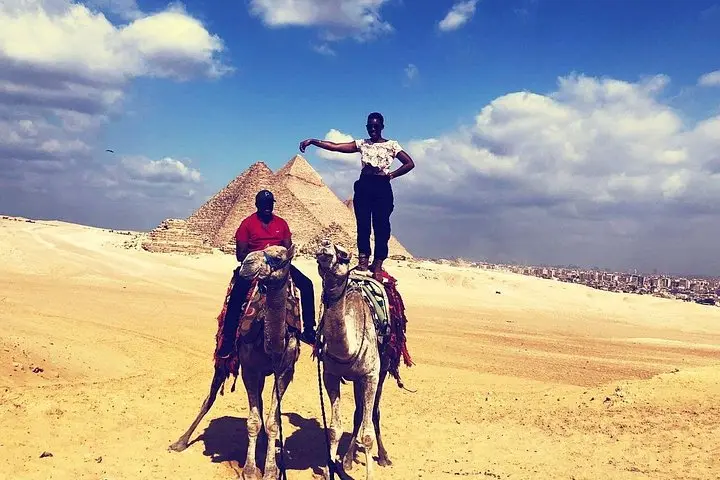
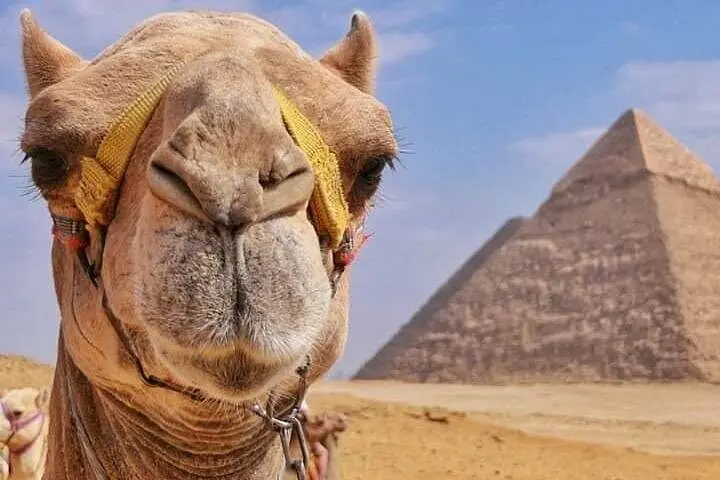
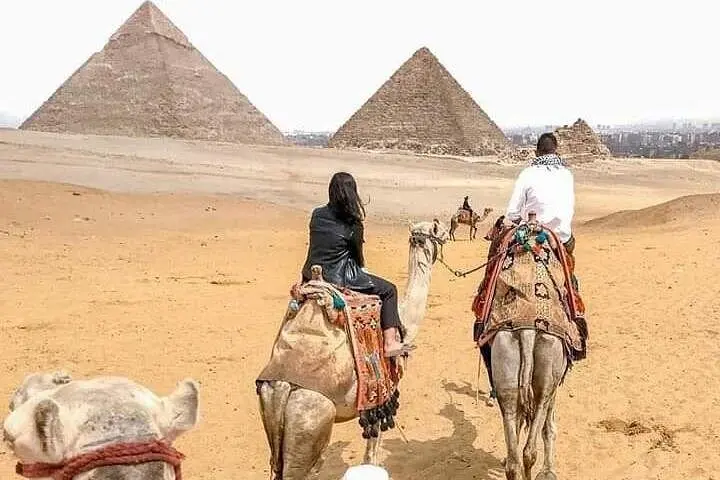
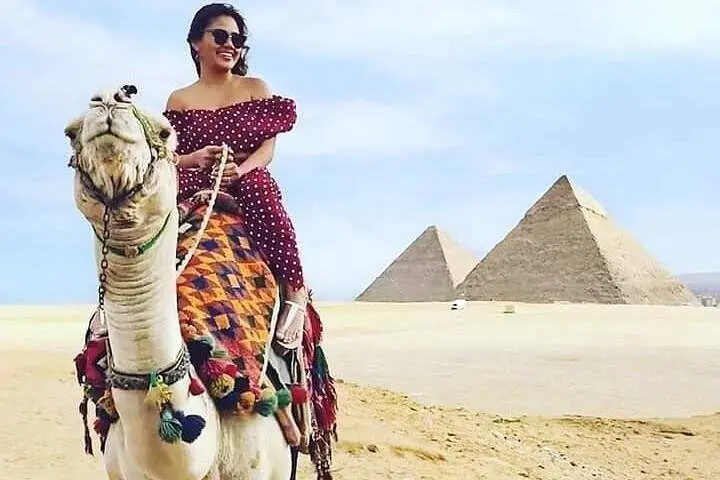
The air above the Giza Plateau cools as the sun slides behind the limestone faces of Cheops, Chephren and Mykerinus. You step from an air-conditioned vehicle into dust-scented wind; the camel handler calls, hooves and padded feet settle into sand, and the pyramids shift from distant monuments to companions you can circle on camelback or horseback.
The air above the Giza Plateau cools as the sun slides behind the limestone faces of Cheops, Chephren and Mykerinus. You step from an air-conditioned vehicle into dust-scented wind; the camel handler calls, hooves and padded feet settle into sand, and the pyramids shift from distant monuments to companions you can circle on camelback or horseback.
These structures date to the Fourth Dynasty (c. 2600–2500 BCE) and were long the tallest man-made monuments on earth. The plateau’s geology—Nile-deposited limestone capped by wind-polished sand—creates the broad, hard-packed surfaces that make short riding loops possible. Local culture around Giza blends modern Cairo life with longstanding Bedouin equestrian and camel-keeping traditions; handlers often come from families who have worked the plateau for generations.
Practically, expect 4–6 hours total including hotel pickup, a guided viewing of the three major pyramids, and a 20–40 minute camel or horse ride at the plateau’s edge, timed for late afternoon to catch long shadows. Wear closed-toe shoes for rocky approaches, sun protection, and bring at least 1–1.5L of water; handlers provide basic saddlery but rides are not technical. Respect restricted zones—climbing the pyramids is prohibited—and follow your guide’s path to avoid fragile archaeological areas.
Plan for shifting light, sharp contrasts in temperature after sunset, and crowds at prime viewpoints. A short walk toward the Solar Boat Museum or the plateau’s quieter ridges rewards those who want a less crowded photo or a clearer sense of scale.