THE ADVENTURE COLLECTIVE® · Independent discovery and booking for outdoor travel

Ride a dromedary through Marrakech’s Palmeraie at sunset, then share traditional Berber tea with a local family. This easy, 4-hour excursion mixes calm desert scenery, cultural context, and prime golden-hour photography.
Ride a dromedary through Marrakech’s Palmeraie at sunset, then share traditional Berber tea with a local family. This easy, 4-hour excursion mixes calm desert scenery, cultural context, and prime golden-hour photography.
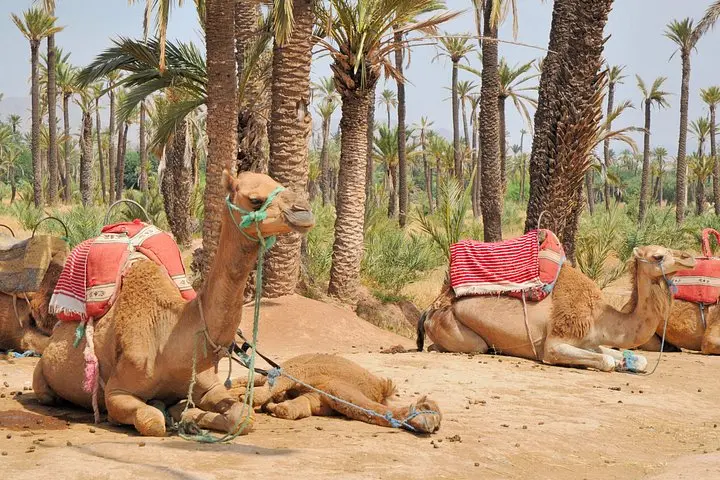
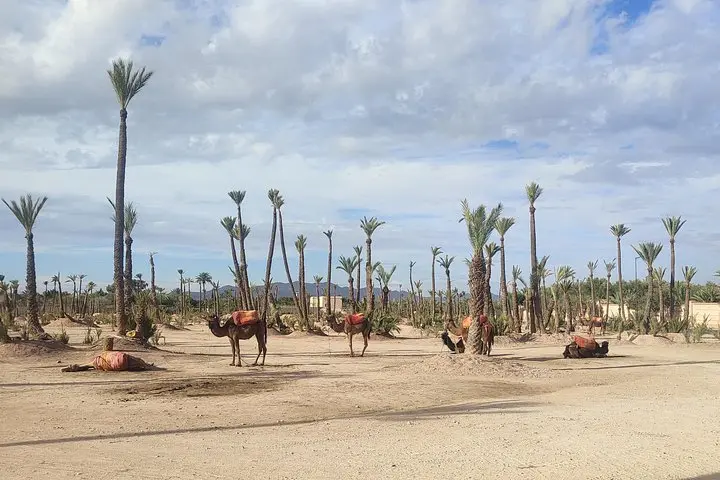
Late afternoon light pours through the palms as riders climb the soft hump of a dromedary and the city falls away — that first creak of the saddle, the gentle sway, the palms leaning like sentries to shade the path. The Palmeraie is a broad fringe of date palms and irrigated fields on Marrakech’s northern edge; a camel ride here feels less like a staged attraction and more like a measured step back toward the routes that once tied oases and kasbahs together.
Verified experiences and guided adventures in the surrounding area.
Operated by Marrakech tickets service · Marrakech, Marrakech-Safi
Late afternoon light pours through the palms as riders climb the soft hump of a dromedary and the city falls away — that first creak of the saddle, the gentle sway, the palms leaning like sentries to shade the path. The Palmeraie is a broad fringe of date palms and irrigated fields on Marrakech’s northern edge; a camel ride here feels less like a staged attraction and more like a measured step back toward the routes that once tied oases and kasbahs together.
The grove grew where underground aquifers and traditional khettara irrigation created a living canopy; French-era villas and modern resorts dot the perimeter, but the palms themselves are older than most modern plans. Riders are often dressed in local djellabas for photos and introduced to Berber tea rituals at a family home — a short cultural stop that ties the ride to centuries of desert hospitality.
Expect flat, sandy tracks between clustered palms, easy walking for the camels and close-up views of palm trunks, irrigation channels, and distant Atlas peaks. The experience is family-friendly but not recommended for people with back or heart conditions; guides lead the animals and explain local history as you go.
Practical guidance: arrive with sun protection, bring a camera with a wrist strap, and allow time for golden-hour photos — the light changes fast. Hydrate before and after the ride and listen to your guide’s mounting and dismounting instructions. The tour ends with a quiet return to Marrakech as twilight cools the grove and the city lights begin to pulse in the distance.
The guided camel segments typically total about 45–60 minutes spread over the visit, with additional time spent visiting a Berber home and driving to/from Marrakech.
Yes — families commonly participate; children should be at least able to sit unassisted and follow safety instructions.
Reputable operators use trained, rested camels and limit ride duration; ask your provider about rest schedules and animal care if concerned.
Yes — private transport usually includes hotel pickup and drop-off within Marrakech; confirm your pickup point when booking.
Marrakech tickets service operates guided outdoor trips and adventures with an emphasis on safety, stewardship, and memorable experiences.
Late afternoon light pours through the palms as riders climb the soft hump of a dromedary and the city falls away — that first creak of the saddle, the gentle sway, the palms leaning like sentries to shade the path. The Palmeraie is a broad fringe of date palms and irrigated fields on Marrakech’s northern edge; a camel ride here feels less like a staged attraction and more like a measured step back toward the routes that once tied oases and kasbahs together.
Late afternoon light pours through the palms as riders climb the soft hump of a dromedary and the city falls away — that first creak of the saddle, the gentle sway, the palms leaning like sentries to shade the path. The Palmeraie is a broad fringe of date palms and irrigated fields on Marrakech’s northern edge; a camel ride here feels less like a staged attraction and more like a measured step back toward the routes that once tied oases and kasbahs together.
The grove grew where underground aquifers and traditional khettara irrigation created a living canopy; French-era villas and modern resorts dot the perimeter, but the palms themselves are older than most modern plans. Riders are often dressed in local djellabas for photos and introduced to Berber tea rituals at a family home — a short cultural stop that ties the ride to centuries of desert hospitality.
Expect flat, sandy tracks between clustered palms, easy walking for the camels and close-up views of palm trunks, irrigation channels, and distant Atlas peaks. The experience is family-friendly but not recommended for people with back or heart conditions; guides lead the animals and explain local history as you go.
Practical guidance: arrive with sun protection, bring a camera with a wrist strap, and allow time for golden-hour photos — the light changes fast. Hydrate before and after the ride and listen to your guide’s mounting and dismounting instructions. The tour ends with a quiet return to Marrakech as twilight cools the grove and the city lights begin to pulse in the distance.