THE ADVENTURE COLLECTIVE® · Independent discovery and booking for outdoor travel

Ride a camel through the palm groves of the Marrakech Palmeraie at sunset, stop at a Berber home for mint tea and conversation, and watch the city’s heat soften into long evening light. This short, accessible excursion pairs simple landscape with cultural insight.
Ride a camel through the palm groves of the Marrakech Palmeraie at sunset, stop at a Berber home for mint tea and conversation, and watch the city’s heat soften into long evening light. This short, accessible excursion pairs simple landscape with cultural insight.
Dusk pulls the Palmeraie into warm honey tones as riders climb onto camels and ease into the grove. The palms lean and whisper; the animals bob with a slow, deliberate rhythm that lets the landscape set the pace. The city’s heat softens and the horizon becomes a low, glowing seam as guides steer the caravan along sandy tracks.
Verified experiences and guided adventures in the surrounding area.
Operated by Best Marrakech Tours · Marrakech, Marrakech-Safi
Dusk pulls the Palmeraie into warm honey tones as riders climb onto camels and ease into the grove. The palms lean and whisper; the animals bob with a slow, deliberate rhythm that lets the landscape set the pace. The city’s heat softens and the horizon becomes a low, glowing seam as guides steer the caravan along sandy tracks.
The Palmeraie grew where an ancient water table met arid ground, creating a band of date palms that fed local communities for centuries. This edge of Marrakech blends human history and simple geology — palm roots tapping groundwater, villages shaped by irrigation lines, and nomadic trade routes that once threaded these palms. Meeting a Berber family during the ride offers a direct cultural counterpoint: you’ll hear first-person accounts of life outside the medina and share mint tea, a hospitality ritual that marks time here.
Expect about an hour on camelback through mostly flat terrain with sandy paths underfoot and minimal elevation change. The experience is sensory — the scent of crushed palm fronds, the camel’s steady sway, the late light making the palms silhouette like ink strokes.
Practical guidance: tour operators typically provide transfers from central Marrakech and run small shared groups. Wear closed-toe shoes for sandy tracks, a hat and sunscreen for exposed stretches, and modest clothing when visiting family homes. Bring bottled water, a camera with a secure strap, and a small tip for the hosts and guide. Pregnant travelers should avoid camel rides; inform the operator of any mobility concerns when booking.
The advertised camel ride is approximately one hour, while the full tour, including transfers and the tea visit, runs about two hours.
Yes; the tour is rated easy, but children and seniors should be able to mount/dismount with assistance and remain seated for the duration.
Most operators include hotel pickup and drop-off from central Marrakech; confirm your pickup point when you book.
Always ask permission before photographing people or private spaces; guides can help facilitate respectful interactions.
Best Marrakech Tours operates guided outdoor trips and adventures with an emphasis on safety, stewardship, and memorable experiences.
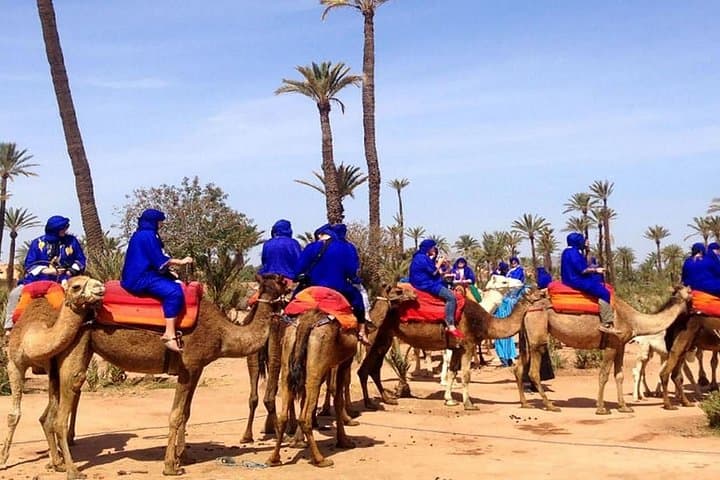
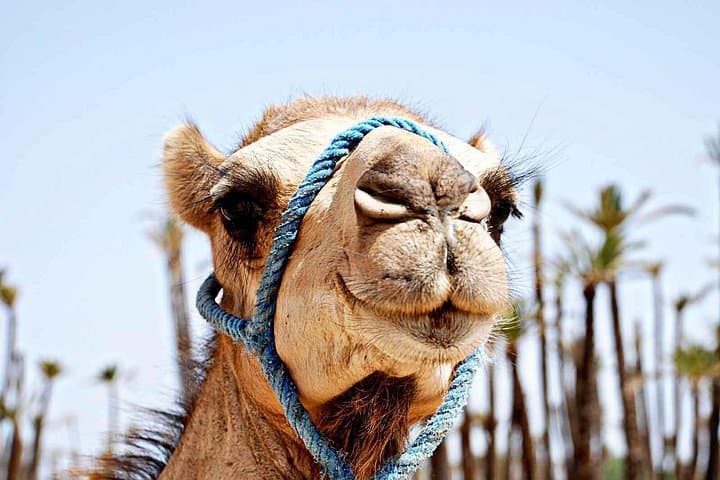
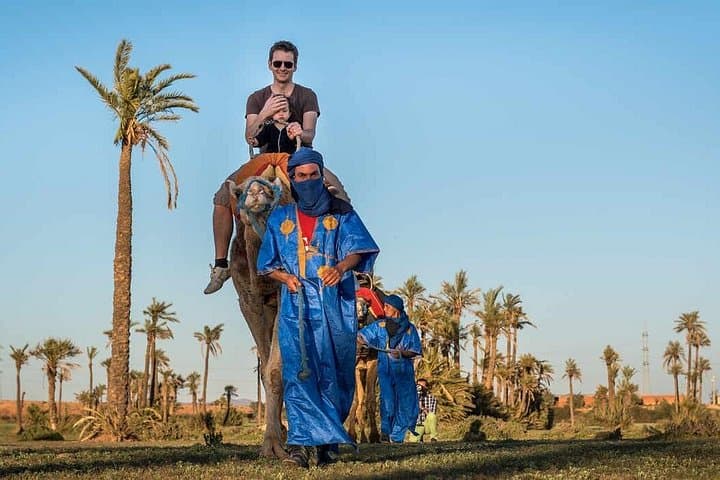
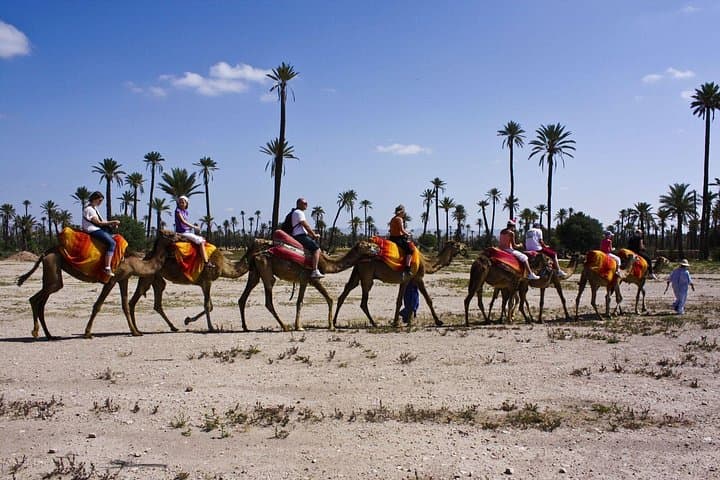
Dusk pulls the Palmeraie into warm honey tones as riders climb onto camels and ease into the grove. The palms lean and whisper; the animals bob with a slow, deliberate rhythm that lets the landscape set the pace. The city’s heat softens and the horizon becomes a low, glowing seam as guides steer the caravan along sandy tracks.
Dusk pulls the Palmeraie into warm honey tones as riders climb onto camels and ease into the grove. The palms lean and whisper; the animals bob with a slow, deliberate rhythm that lets the landscape set the pace. The city’s heat softens and the horizon becomes a low, glowing seam as guides steer the caravan along sandy tracks.
The Palmeraie grew where an ancient water table met arid ground, creating a band of date palms that fed local communities for centuries. This edge of Marrakech blends human history and simple geology — palm roots tapping groundwater, villages shaped by irrigation lines, and nomadic trade routes that once threaded these palms. Meeting a Berber family during the ride offers a direct cultural counterpoint: you’ll hear first-person accounts of life outside the medina and share mint tea, a hospitality ritual that marks time here.
Expect about an hour on camelback through mostly flat terrain with sandy paths underfoot and minimal elevation change. The experience is sensory — the scent of crushed palm fronds, the camel’s steady sway, the late light making the palms silhouette like ink strokes.
Practical guidance: tour operators typically provide transfers from central Marrakech and run small shared groups. Wear closed-toe shoes for sandy tracks, a hat and sunscreen for exposed stretches, and modest clothing when visiting family homes. Bring bottled water, a camera with a secure strap, and a small tip for the hosts and guide. Pregnant travelers should avoid camel rides; inform the operator of any mobility concerns when booking.