THE ADVENTURE COLLECTIVE® · Independent discovery and booking for outdoor travel
Watch the sun sink over the Gulf while searching tidal channels and mangrove islets for manatees, dolphins and coastal birds. This intimate, three-hour sunset cruise from Port of the Islands offers close-up wildlife viewing and a hands-on primer in Everglades shore ecology.
Watch the sun sink over the Gulf while searching tidal channels and mangrove islets for manatees, dolphins and coastal birds. This intimate, three-hour sunset cruise from Port of the Islands offers close-up wildlife viewing and a hands-on primer in Everglades shore ecology.
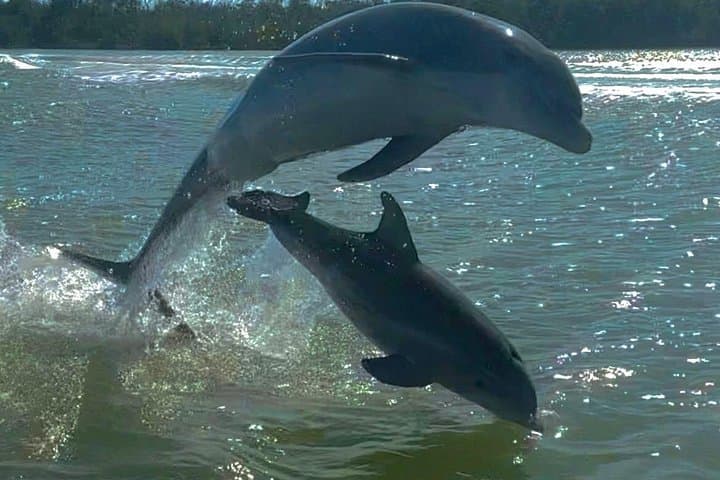
The boat eases out of Port of the Islands as the sun begins its slow, deliberate slide toward the Gulf. Mangrove thickets frame the channel like living walls, their roots pinning the water into narrow ribbons that the captain threads with practiced ease. Expect to trade the clamor of shore for a quieter rhythm—water slapping the hull, distant bird calls, and the occasional pointed snort of a dolphin racing the wake.
Verified experiences and guided adventures in the surrounding area.
Operated by Manatee Sightseeing and Wildlife Adventures · Naples, Florida
The boat eases out of Port of the Islands as the sun begins its slow, deliberate slide toward the Gulf. Mangrove thickets frame the channel like living walls, their roots pinning the water into narrow ribbons that the captain threads with practiced ease. Expect to trade the clamor of shore for a quieter rhythm—water slapping the hull, distant bird calls, and the occasional pointed snort of a dolphin racing the wake.
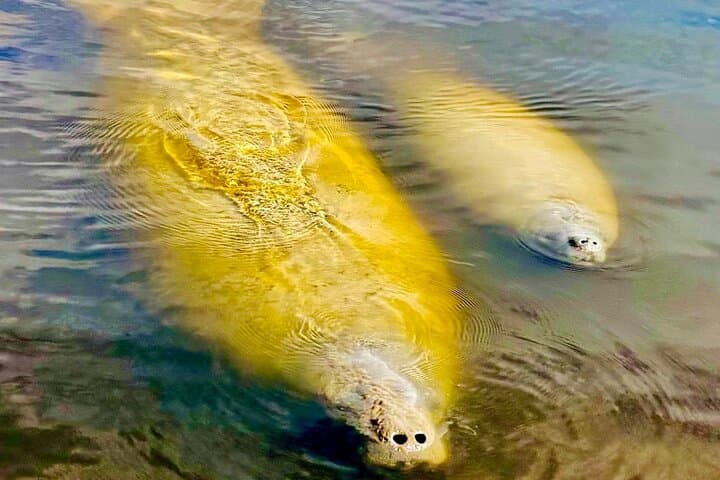
This three-hour sunset cruise moves through a landscape shaped by shallow seas, storms and time. The Ten Thousand Islands are not a single range but hundreds of mangrove islets and shell ridges formed on carbonate flats—fragile landmasses that rise and fall with tides and seasons. That geology created the mosaic of seagrass beds and channels that feed a food web from wading birds to bottlenose dolphins and the West Indian manatee, which frequents protected inlets and estuaries.
Human history here runs deep. The Calusa people once ruled these waters before Spanish contact, harvesting fish and shellfish and leaving shell middens that still pepper the islands. Today, small fishing camps and family-run marinas carry on a culture centered on tides, weather and conservation—locals who read the sky and the barometer the way sailors in other places once read stars.
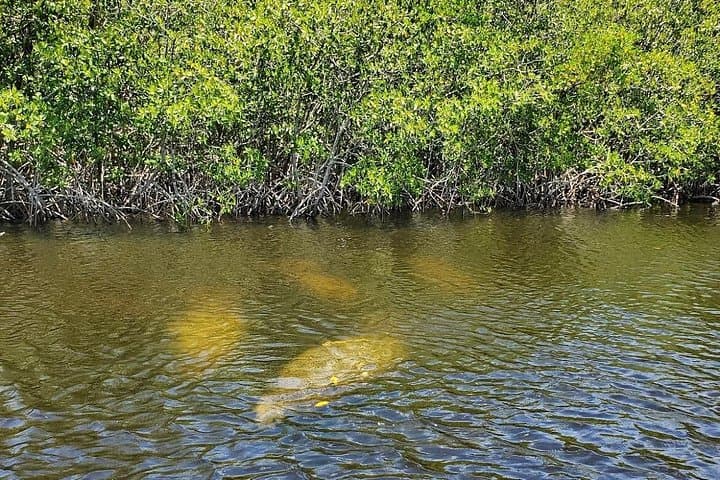
Beyond the postcard sunset, the trip is a practical lesson in Everglades ecology: look for manatees in shallow seagrass beds, dolphins in the boat’s wake, and shorebirds roosting on exposed mudflats. Captains typically narrow their route to calm channels during wind or chop, and they’ll pause where light and sandbars create predictable wildlife corridors.
Practical details that matter: meet at Port of the Islands Marina (arrive 10 minutes early), park in the designated lot off Tamiami Trail, and bring polarized sunglasses, a camera with a steady lens, and layered clothing—the temperature drops after sunset. Boats are covered but exposed to spray; a light windbreaker keeps you comfortable. Note that manatees and other wildlife are wild—sightings are high-percentage but never guaranteed. The operator limits passengers for an intimate experience (max six per boat), and the cruise is wheelchair accessible with onshore restrooms.
Timing is everything: golden hour shows the islands at their most elemental, while cooler months often concentrate wildlife around warm-water refuges. Keep your phone charged, tip the captain if they deliver a memorable outing, and lean forward when the guide points—those moments when dolphins break or a manatee breathes are fleeting and worth your full attention.
No—wildlife is unpredictable. Sightings are common on this route, but the captain cannot guarantee encounters.
Meet at the picnic tables behind the fire station/ship store at Port of the Islands Marina (525 Newport Drive). Arrive at least 10 minutes early; departures are on time.
Yes—the operator notes wheelchair accessibility for boarding and transportation; contact the company ahead if you need assistance.
Yes—guests may bring food and drinks. The boats are covered but not fully enclosed, so pack items in a small cooler if desired.
Tours run in rain but are suspended for lightning or unsafe conditions; full refunds are provided if the entire tour is cancelled.
Restrooms are located in the ship store attached to the fire station at the marina before boarding.
Manatee Sightseeing and Wildlife Adventures operates guided outdoor trips and adventures with an emphasis on safety, stewardship, and memorable experiences.
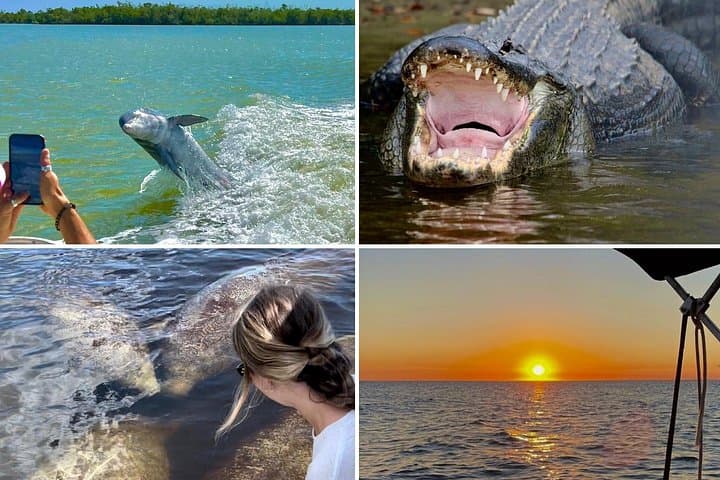
The boat eases out of Port of the Islands as the sun begins its slow, deliberate slide toward the Gulf. Mangrove thickets frame the channel like living walls, their roots pinning the water into narrow ribbons that the captain threads with practiced ease. Expect to trade the clamor of shore for a quieter rhythm—water slapping the hull, distant bird calls, and the occasional pointed snort of a dolphin racing the wake.
The boat eases out of Port of the Islands as the sun begins its slow, deliberate slide toward the Gulf. Mangrove thickets frame the channel like living walls, their roots pinning the water into narrow ribbons that the captain threads with practiced ease. Expect to trade the clamor of shore for a quieter rhythm—water slapping the hull, distant bird calls, and the occasional pointed snort of a dolphin racing the wake.
This three-hour sunset cruise moves through a landscape shaped by shallow seas, storms and time. The Ten Thousand Islands are not a single range but hundreds of mangrove islets and shell ridges formed on carbonate flats—fragile landmasses that rise and fall with tides and seasons. That geology created the mosaic of seagrass beds and channels that feed a food web from wading birds to bottlenose dolphins and the West Indian manatee, which frequents protected inlets and estuaries.
Human history here runs deep. The Calusa people once ruled these waters before Spanish contact, harvesting fish and shellfish and leaving shell middens that still pepper the islands. Today, small fishing camps and family-run marinas carry on a culture centered on tides, weather and conservation—locals who read the sky and the barometer the way sailors in other places once read stars.
Beyond the postcard sunset, the trip is a practical lesson in Everglades ecology: look for manatees in shallow seagrass beds, dolphins in the boat’s wake, and shorebirds roosting on exposed mudflats. Captains typically narrow their route to calm channels during wind or chop, and they’ll pause where light and sandbars create predictable wildlife corridors.
Practical details that matter: meet at Port of the Islands Marina (arrive 10 minutes early), park in the designated lot off Tamiami Trail, and bring polarized sunglasses, a camera with a steady lens, and layered clothing—the temperature drops after sunset. Boats are covered but exposed to spray; a light windbreaker keeps you comfortable. Note that manatees and other wildlife are wild—sightings are high-percentage but never guaranteed. The operator limits passengers for an intimate experience (max six per boat), and the cruise is wheelchair accessible with onshore restrooms.
Timing is everything: golden hour shows the islands at their most elemental, while cooler months often concentrate wildlife around warm-water refuges. Keep your phone charged, tip the captain if they deliver a memorable outing, and lean forward when the guide points—those moments when dolphins break or a manatee breathes are fleeting and worth your full attention.
