THE ADVENTURE COLLECTIVE® · Independent discovery and booking for outdoor travel

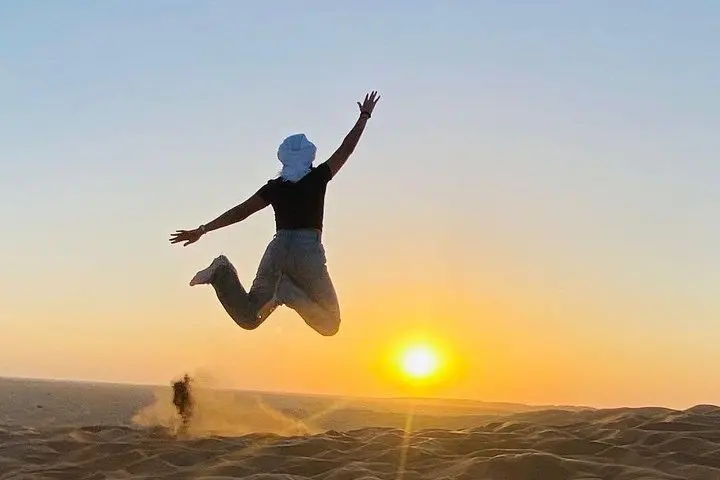
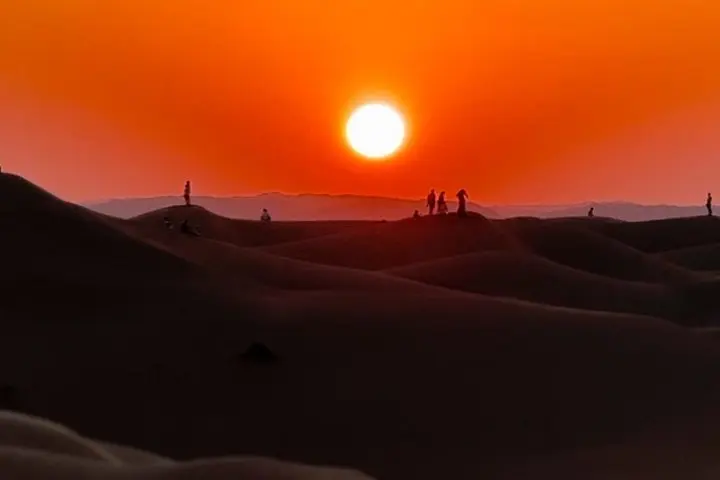
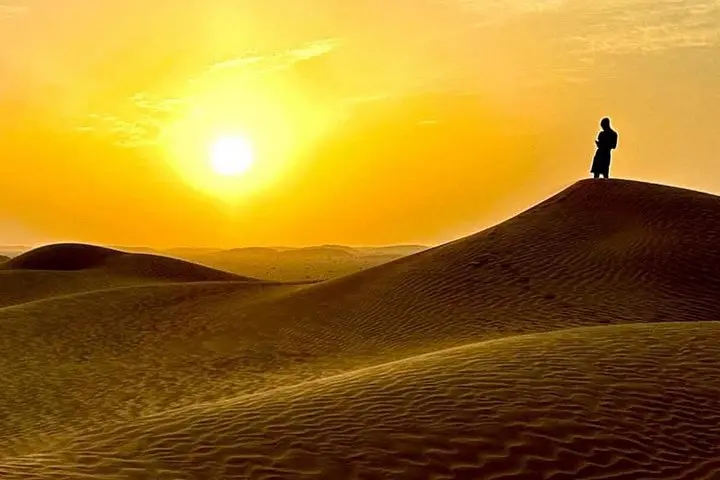
Experience Salalah’s frankincense valleys, Thumrait tea culture, the Wubar archaeological site, and a private sunset in the Rub' al Khali. This full‑day, vehicle-based tour pairs light walking with dramatic desert dunes—best timed to arrive on the sand an hour before sunset.
Experience Salalah’s frankincense valleys, Thumrait tea culture, the Wubar archaeological site, and a private sunset in the Rub' al Khali. This full‑day, vehicle-based tour pairs light walking with dramatic desert dunes—best timed to arrive on the sand an hour before sunset.
The light is low and honey-colored as the convoy leaves Salalah behind. Wind scours the road, and the silhouette of a gnarled frankincense tree appears against a sky that wants to cool—Wadi Dawkha’s trunks look older than memory, limbs curling like the handwriting of the past. The tour moves from mountain valleys and archaeological ruins to the vast teeth of the Rub' al Khali, where the sand rises and a private sunset becomes a slow, deliberate event.
Verified experiences and guided adventures in the surrounding area.
Operated by Ciao Salalah · Salalah, Dhofar Governorate
The light is low and honey-colored as the convoy leaves Salalah behind. Wind scours the road, and the silhouette of a gnarled frankincense tree appears against a sky that wants to cool—Wadi Dawkha’s trunks look older than memory, limbs curling like the handwriting of the past. The tour moves from mountain valleys and archaeological ruins to the vast teeth of the Rub' al Khali, where the sand rises and a private sunset becomes a slow, deliberate event.
This route threads Oman's frankincense landscape—recognized by UNESCO—through Thumrait's village life and the Wubar archaeological site, once a caravan stop on ancient trade routes. Geologically, the Empty Quarter is aeolian power: massive dunes formed by persistent winds, with crystallized sand ripples and occasional flat interdune corridors. Culturally, the trip meets Bedouin and Omani tea traditions—Karak in Thumrait—and encounters local black camels, bred for resilience in Dhofar’s climate.
Practical guidance follows the scenery. Expect an 8‑hour private itinerary with vehicle transport between stops, brief walks on packed earth and soft sand, and short climbs on dune faces to reach sunset viewpoints. Bring at least 2 liters of water, sun protection, and closed-toe shoes for mixed terrain. Timing is key—plan for the last hour before sunset on the dunes for the best light; cooler months make walking easier, while the Khareef season (summer) brings greener hills but possible showers.
This experience balances archaeological curiosity, cultural encounters, and a straightforward desert adventure—ideal for travelers looking for managed access to Oman’s southern deserts without technical requirements.
Yes—pickups are typically arranged from Salalah hotels or a specified meeting point; confirm your pickup location when booking.
Families are welcome; infant seats are available and strollers can be used, but keep in mind dune walking and long vehicle transfers.
Guides operate in English or Italian for this private tour—confirm language preference at booking.
The tour is low-impact: most travel is by vehicle with short walks and optional dune climbs that can be paused at any time.
Ciao Salalah operates guided outdoor trips and adventures with an emphasis on safety, stewardship, and memorable experiences.

The light is low and honey-colored as the convoy leaves Salalah behind. Wind scours the road, and the silhouette of a gnarled frankincense tree appears against a sky that wants to cool—Wadi Dawkha’s trunks look older than memory, limbs curling like the handwriting of the past. The tour moves from mountain valleys and archaeological ruins to the vast teeth of the Rub' al Khali, where the sand rises and a private sunset becomes a slow, deliberate event.
The light is low and honey-colored as the convoy leaves Salalah behind. Wind scours the road, and the silhouette of a gnarled frankincense tree appears against a sky that wants to cool—Wadi Dawkha’s trunks look older than memory, limbs curling like the handwriting of the past. The tour moves from mountain valleys and archaeological ruins to the vast teeth of the Rub' al Khali, where the sand rises and a private sunset becomes a slow, deliberate event.
This route threads Oman's frankincense landscape—recognized by UNESCO—through Thumrait's village life and the Wubar archaeological site, once a caravan stop on ancient trade routes. Geologically, the Empty Quarter is aeolian power: massive dunes formed by persistent winds, with crystallized sand ripples and occasional flat interdune corridors. Culturally, the trip meets Bedouin and Omani tea traditions—Karak in Thumrait—and encounters local black camels, bred for resilience in Dhofar’s climate.
Practical guidance follows the scenery. Expect an 8‑hour private itinerary with vehicle transport between stops, brief walks on packed earth and soft sand, and short climbs on dune faces to reach sunset viewpoints. Bring at least 2 liters of water, sun protection, and closed-toe shoes for mixed terrain. Timing is key—plan for the last hour before sunset on the dunes for the best light; cooler months make walking easier, while the Khareef season (summer) brings greener hills but possible showers.
This experience balances archaeological curiosity, cultural encounters, and a straightforward desert adventure—ideal for travelers looking for managed access to Oman’s southern deserts without technical requirements.