THE ADVENTURE COLLECTIVE® · Independent discovery and booking for outdoor travel
Ride an electric bicycle from the Maspalomas dunes to Meloneras promenade on a two-hour guided loop that blends coastal panoramas, Guanche archaeology and bird-rich lagoons. Ideal for riders who want big views with minimal sweat.
Ride an electric bicycle from the Maspalomas dunes to Meloneras promenade on a two-hour guided loop that blends coastal panoramas, Guanche archaeology and bird-rich lagoons. Ideal for riders who want big views with minimal sweat.
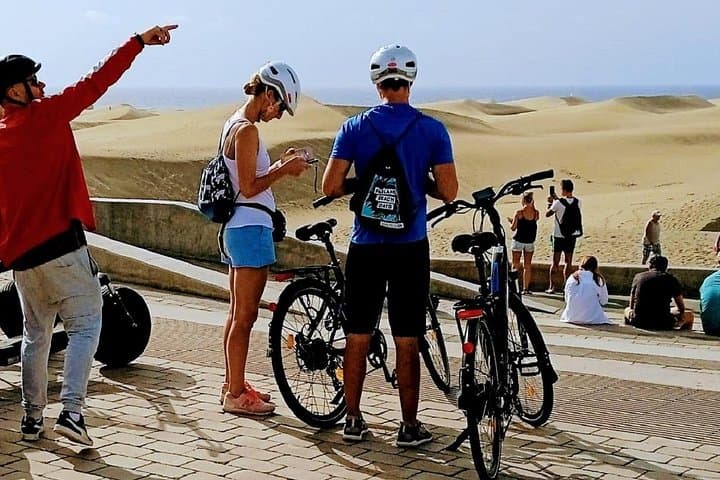
You push off along an ocean-side promenade, the Atlantic breathing at your left and a chain of golden ripples—the Maspalomas dunes—unfurling to your right. The e-bike responds with a quiet push; the coastal wind feels purposeful, urging you toward the lighthouse and the low-slung townlines of Meloneras.
Verified experiences and guided adventures in the surrounding area.
Operated by Bici Bike Vintage · Maspalomas, Las Palmas
You push off along an ocean-side promenade, the Atlantic breathing at your left and a chain of golden ripples—the Maspalomas dunes—unfurling to your right. The e-bike responds with a quiet push; the coastal wind feels purposeful, urging you toward the lighthouse and the low-slung townlines of Meloneras.
This two-hour loop links living geology and human history: seven kilometres of shifting sand made from ancient volcanic ash, La Charca lagoon that collects migratory birds, and the Faro de Maspalomas—an early 19th-century beam that has guided vessels for generations. A short stop at Punta Mujeres points to Guanche stone circles, evidence of the islands’ pre-Hispanic inhabitants.
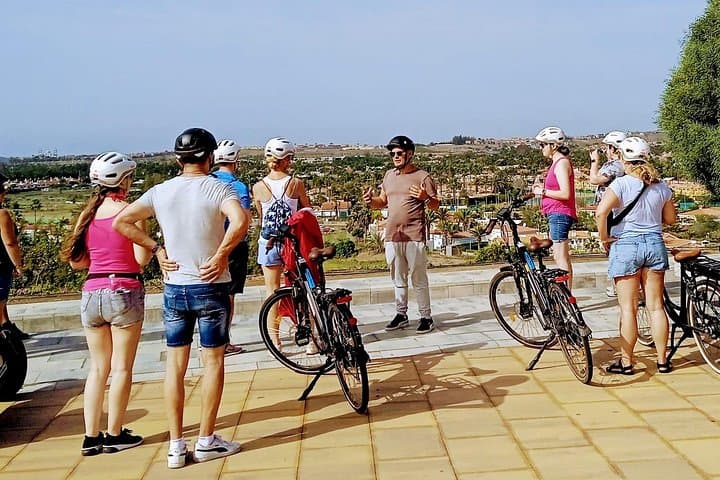
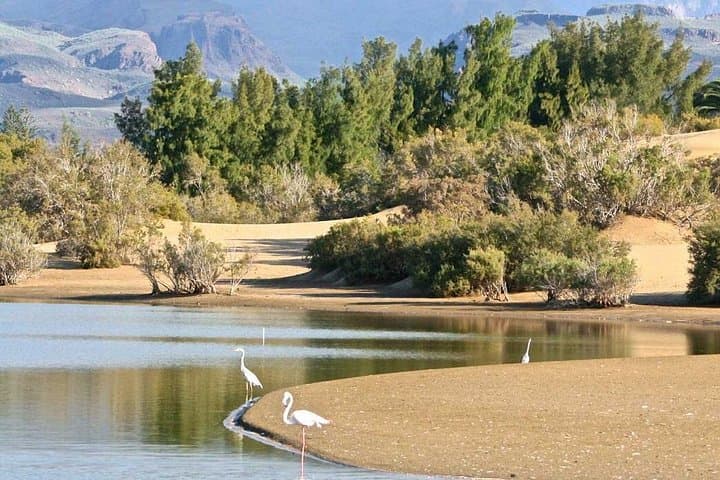
Expect a mix of paved promenades, dedicated cycle paths and well-maintained urban routes—no riding across the dunes or on dirt is part of the program. La Charca’s lagoon acts like a stage for waders and terns in season, while the Campo Internacional viewpoint offers a tidy elevation for panoramic photos. Meloneras showcases modern seaside development: volcanic beaches, upscale promenades and cafés where the tour pauses for a included soft drink.
Practical notes: helmets and reflective vests are supplied; a basic balance and familiarity with bicycle shifting make the ride comfortable. Morning departures are cooler and quieter; sunset tours maximize color and light but need earlier booking. Bring ID, sun protection and a filled water bottle. Respect reserve rules—stay on cycle paths and avoid disturbing birds at La Charca—and you’ll leave with a clear sense of Gran Canaria’s coastal contrasts.
Yes—helmets and reflective vests are provided and required for all riders.
No—this tour stays on paved promenades and cycle paths; entry into the dunes and sand is not permitted to protect the reserve.
Riders must be at least 14 years old and accompanied by a paying parent; riders over 70 are not allowed for safety reasons.
Yes—the route is classified easy and is suitable for riders with basic e-bike experience and normal cardiovascular health; those with heart conditions should consult a doctor.
Bici Bike Vintage operates guided outdoor trips and adventures with an emphasis on safety, stewardship, and memorable experiences.

You push off along an ocean-side promenade, the Atlantic breathing at your left and a chain of golden ripples—the Maspalomas dunes—unfurling to your right. The e-bike responds with a quiet push; the coastal wind feels purposeful, urging you toward the lighthouse and the low-slung townlines of Meloneras.
You push off along an ocean-side promenade, the Atlantic breathing at your left and a chain of golden ripples—the Maspalomas dunes—unfurling to your right. The e-bike responds with a quiet push; the coastal wind feels purposeful, urging you toward the lighthouse and the low-slung townlines of Meloneras.
This two-hour loop links living geology and human history: seven kilometres of shifting sand made from ancient volcanic ash, La Charca lagoon that collects migratory birds, and the Faro de Maspalomas—an early 19th-century beam that has guided vessels for generations. A short stop at Punta Mujeres points to Guanche stone circles, evidence of the islands’ pre-Hispanic inhabitants.
Expect a mix of paved promenades, dedicated cycle paths and well-maintained urban routes—no riding across the dunes or on dirt is part of the program. La Charca’s lagoon acts like a stage for waders and terns in season, while the Campo Internacional viewpoint offers a tidy elevation for panoramic photos. Meloneras showcases modern seaside development: volcanic beaches, upscale promenades and cafés where the tour pauses for a included soft drink.
Practical notes: helmets and reflective vests are supplied; a basic balance and familiarity with bicycle shifting make the ride comfortable. Morning departures are cooler and quieter; sunset tours maximize color and light but need earlier booking. Bring ID, sun protection and a filled water bottle. Respect reserve rules—stay on cycle paths and avoid disturbing birds at La Charca—and you’ll leave with a clear sense of Gran Canaria’s coastal contrasts.
