THE ADVENTURE COLLECTIVE® · Independent discovery and booking for outdoor travel

Paddle the calm, brackish lagoons of Sian Ka’an at sunset and watch mangrove channels open into bird-studded islands. This 2–3 hour guided sea-kayak trip offers beginner-friendly technique, wildlife encounters and UNESCO-protected scenery.
Paddle the calm, brackish lagoons of Sian Ka’an at sunset and watch mangrove channels open into bird-studded islands. This 2–3 hour guided sea-kayak trip offers beginner-friendly technique, wildlife encounters and UNESCO-protected scenery.
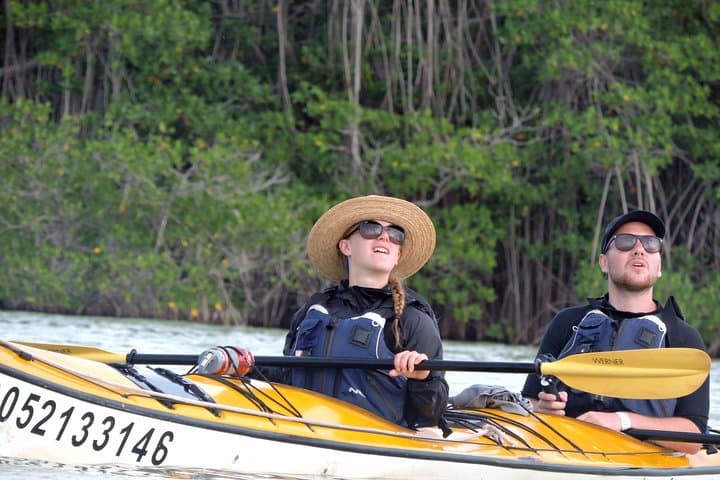
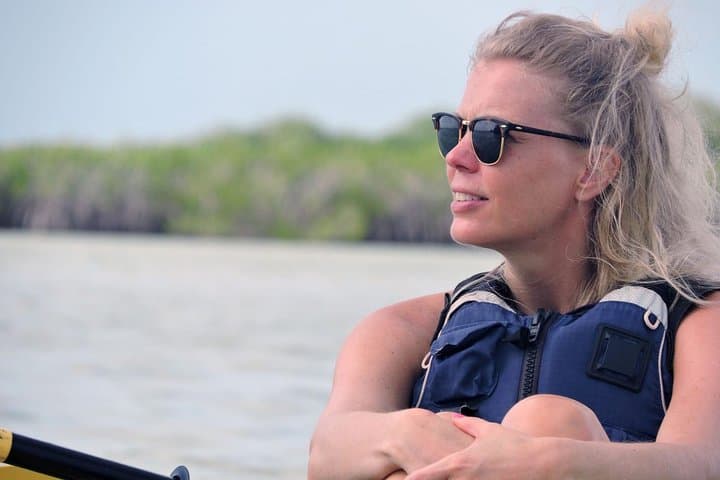
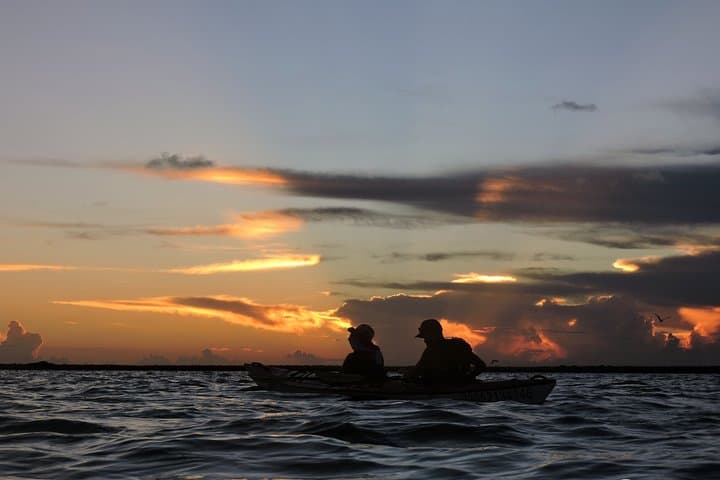
You push off as the sun slides toward the mangrove line and the lagoon exhales a breath of warm salt air. Paddles cut the glass-smooth water, mangrove roots morphing into a low, green wall; birds wheel and call above while distant reef surf murmurs beyond the spit. The last two hours of the day here concentrate light, birdlife and the peculiar calm of brackish water.
Verified experiences and guided adventures in the surrounding area.
Operated by Yucatan Outdoors · Tulum, Quintana Roo
You push off as the sun slides toward the mangrove line and the lagoon exhales a breath of warm salt air. Paddles cut the glass-smooth water, mangrove roots morphing into a low, green wall; birds wheel and call above while distant reef surf murmurs beyond the spit. The last two hours of the day here concentrate light, birdlife and the peculiar calm of brackish water.
Sian Ka’an is a UNESCO biosphere where limestone plains meet Caribbean sea—ancient Maya trade routes threaded these lagoons, and the shallow Caapechen channels still preserve that low, watery geography: coral outcrops offshore, mangrove root networks inland and sediment-built keys that shift with tide and storm. Local fishing traditions and conservation efforts have shaped how guides move quietly through bird islands to avoid disturbance.
Expect a beginner-friendly sea-kayak rhythm: short strokes, occasional tacks through narrow mangrove corridors, and long, reflective glides across open lagoon. Wildlife is the objective—herons, frigatebirds and the occasional iguana inspect passersby. Guides emphasize keeping distance from nesting sites and using reef-safe products to protect seagrass beds.
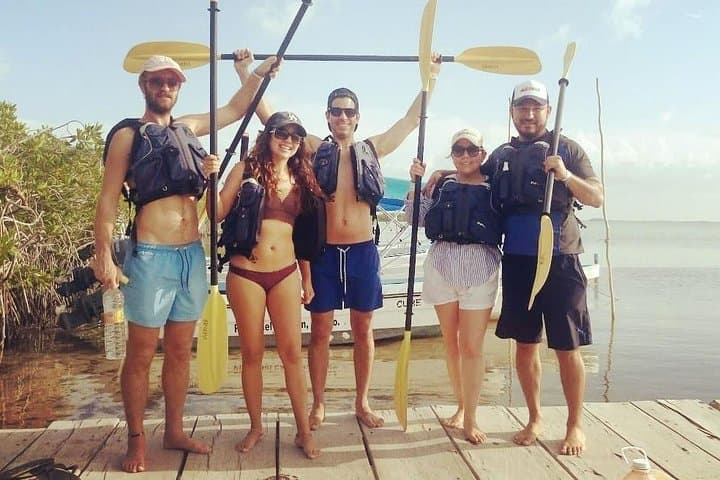
Practical guidance: book a late-afternoon slot for cooler paddling and best light; wear quick-drying layers, bring a dry bag for camera gear, and carry refillable water. Small groups and experienced local guides make this a low-stress introduction to coastal kayaking, but you’ll still get a workout—expect steady paddling and occasional shallow wading to launch. If you want fewer boats around bird islands, ask for the route that pushes farther from shore.
No—this tour welcomes beginners; guides teach paddling technique and safety before launch, though basic mobility helps.
Quick-dry layers, UV-protective shirt, hat, water shoes or sandals that stay on in water, and sunglasses with a retention strap.
Facilities at the launch point are basic; expect limited services once on the reserve—use facilities before departure.
Yes—herons, frigatebirds and shorebirds are common; sightings of manatees or dolphins are rare but possible depending on route and time of year.
Yucatan Outdoors operates guided outdoor trips and adventures with an emphasis on safety, stewardship, and memorable experiences.
You push off as the sun slides toward the mangrove line and the lagoon exhales a breath of warm salt air. Paddles cut the glass-smooth water, mangrove roots morphing into a low, green wall; birds wheel and call above while distant reef surf murmurs beyond the spit. The last two hours of the day here concentrate light, birdlife and the peculiar calm of brackish water.
You push off as the sun slides toward the mangrove line and the lagoon exhales a breath of warm salt air. Paddles cut the glass-smooth water, mangrove roots morphing into a low, green wall; birds wheel and call above while distant reef surf murmurs beyond the spit. The last two hours of the day here concentrate light, birdlife and the peculiar calm of brackish water.
Sian Ka’an is a UNESCO biosphere where limestone plains meet Caribbean sea—ancient Maya trade routes threaded these lagoons, and the shallow Caapechen channels still preserve that low, watery geography: coral outcrops offshore, mangrove root networks inland and sediment-built keys that shift with tide and storm. Local fishing traditions and conservation efforts have shaped how guides move quietly through bird islands to avoid disturbance.
Expect a beginner-friendly sea-kayak rhythm: short strokes, occasional tacks through narrow mangrove corridors, and long, reflective glides across open lagoon. Wildlife is the objective—herons, frigatebirds and the occasional iguana inspect passersby. Guides emphasize keeping distance from nesting sites and using reef-safe products to protect seagrass beds.
Practical guidance: book a late-afternoon slot for cooler paddling and best light; wear quick-drying layers, bring a dry bag for camera gear, and carry refillable water. Small groups and experienced local guides make this a low-stress introduction to coastal kayaking, but you’ll still get a workout—expect steady paddling and occasional shallow wading to launch. If you want fewer boats around bird islands, ask for the route that pushes farther from shore.