THE ADVENTURE COLLECTIVE® · Independent discovery and booking for outdoor travel

Watch dolphins break the glassy water and manatees roll slowly among mangrove roots on a 2-hour sunset eco-cruise out of Islamorada. This guided trip focuses on mangrove ecology, nesting birds, and the soft drama of Golden Hour over Florida Bay.
Watch dolphins break the glassy water and manatees roll slowly among mangrove roots on a 2-hour sunset eco-cruise out of Islamorada. This guided trip focuses on mangrove ecology, nesting birds, and the soft drama of Golden Hour over Florida Bay.
The boat slips away from the dock as the sun lowers over Florida Bay, and the mangroves begin to take on long, gold-edged silhouettes. Salt and brackish water mix in a slow, steady pulse; mangrove roots reach like fingers into the shallows, and gulls wheel above, sounding the day closed. On a 2-hour sunset eco-cruise from Islamorada you watch wildlife move into the cooler hour — dolphins surf the wakes, manatees surface with quiet curiosity, and herons pick the shallows for their evening meal.
Verified experiences and guided adventures in the surrounding area.
The boat slips away from the dock as the sun lowers over Florida Bay, and the mangroves begin to take on long, gold-edged silhouettes. Salt and brackish water mix in a slow, steady pulse; mangrove roots reach like fingers into the shallows, and gulls wheel above, sounding the day closed. On a 2-hour sunset eco-cruise from Islamorada you watch wildlife move into the cooler hour — dolphins surf the wakes, manatees surface with quiet curiosity, and herons pick the shallows for their evening meal.
Geologically the Keys are ancient coral and oolitic limestone, elevated and sculpted by sea-level changes; mangrove islands form where sediments accumulate and roots trap sand. Culturally the Upper Keys grew around fishing, boatbuilding, and reef exploration; local guides often share oral histories about reef fisheries, sponging, and early settler life.
Expect an informal naturalist-led experience: guides point out nesting birds, explain why mangroves matter as nurseries, and describe how tides shape the shoreline. Wildlife sightings are common but never guaranteed — animals follow currents and seasons.
Practical guidance: arrive 20–30 minutes early for boarding and safety briefing, wear reef-friendly sunscreen and a hat, and bring a light wind layer as temperatures drop at sunset. If you’re prone to seasickness, take preventative measures; binoculars and a camera with low-light capability improve viewing. Respect wildlife distances: remain seated when guides request quiet, and avoid tossing food. Sunset cruises are best in calm conditions — check local weather and hurricane season advisories (June–November) when planning. This short cruise is low-effort but rich in coastal ecology and evening light, ideal for a relaxed wildlife encounter and a clear view of how mangroves hold the Keys together.
The experience lasts approximately 2 hours, timed to coincide with sunset and evening wildlife activity.
Sightings are common in the area but cannot be guaranteed—wildlife movements depend on tides, weather, and animal behavior.
Yes; the cruise is low-impact but requires safe boarding and the ability to sit or steady oneself on a small boat.
Bring reef-safe sunscreen, a hat, water, binoculars, and a light jacket for post-sunset cooling; avoid single-use plastics that can harm wildlife.
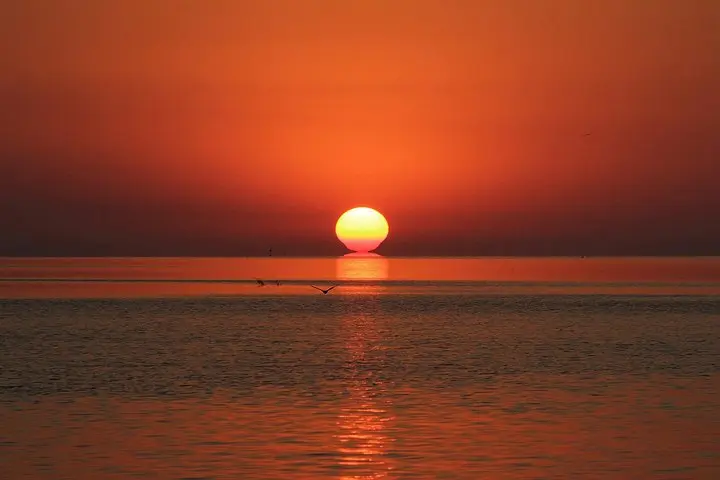
The boat slips away from the dock as the sun lowers over Florida Bay, and the mangroves begin to take on long, gold-edged silhouettes. Salt and brackish water mix in a slow, steady pulse; mangrove roots reach like fingers into the shallows, and gulls wheel above, sounding the day closed. On a 2-hour sunset eco-cruise from Islamorada you watch wildlife move into the cooler hour — dolphins surf the wakes, manatees surface with quiet curiosity, and herons pick the shallows for their evening meal.
The boat slips away from the dock as the sun lowers over Florida Bay, and the mangroves begin to take on long, gold-edged silhouettes. Salt and brackish water mix in a slow, steady pulse; mangrove roots reach like fingers into the shallows, and gulls wheel above, sounding the day closed. On a 2-hour sunset eco-cruise from Islamorada you watch wildlife move into the cooler hour — dolphins surf the wakes, manatees surface with quiet curiosity, and herons pick the shallows for their evening meal.
Geologically the Keys are ancient coral and oolitic limestone, elevated and sculpted by sea-level changes; mangrove islands form where sediments accumulate and roots trap sand. Culturally the Upper Keys grew around fishing, boatbuilding, and reef exploration; local guides often share oral histories about reef fisheries, sponging, and early settler life.
Expect an informal naturalist-led experience: guides point out nesting birds, explain why mangroves matter as nurseries, and describe how tides shape the shoreline. Wildlife sightings are common but never guaranteed — animals follow currents and seasons.
Practical guidance: arrive 20–30 minutes early for boarding and safety briefing, wear reef-friendly sunscreen and a hat, and bring a light wind layer as temperatures drop at sunset. If you’re prone to seasickness, take preventative measures; binoculars and a camera with low-light capability improve viewing. Respect wildlife distances: remain seated when guides request quiet, and avoid tossing food. Sunset cruises are best in calm conditions — check local weather and hurricane season advisories (June–November) when planning. This short cruise is low-effort but rich in coastal ecology and evening light, ideal for a relaxed wildlife encounter and a clear view of how mangroves hold the Keys together.