THE ADVENTURE COLLECTIVE® · Independent discovery and booking for outdoor travel

An easy, 45-minute guided walk across the salt pans near Marsala offers dramatic sunset views of the Egadi Islands and a close look at traditional salt crystallization. Ideal for photographers and birdwatchers, this short tour pairs natural spectacle with local history.
An easy, 45-minute guided walk across the salt pans near Marsala offers dramatic sunset views of the Egadi Islands and a close look at traditional salt crystallization. Ideal for photographers and birdwatchers, this short tour pairs natural spectacle with local history.
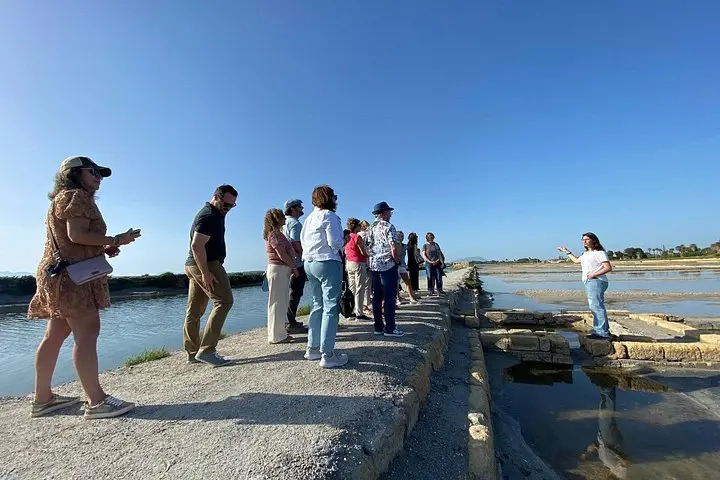
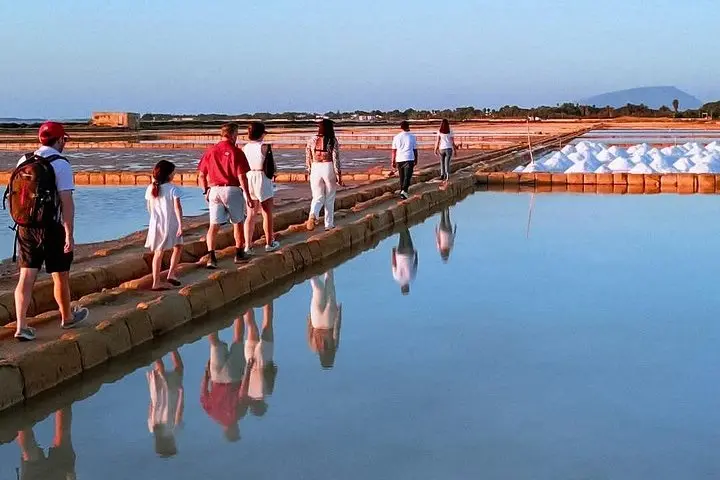
The late-afternoon light strips the landscape down to geometry: shallow rectangular ponds, pale ridges of salt, and a horizon pierced by the silhouettes of the Egadi Islands. On this guided, 45-minute walk through the salt pans outside Marsala, the sun leans toward the water and the brine reflects color like a slow-moving mirror, turning flats into bands of rose, gold and silver.
Verified experiences and guided adventures in the surrounding area.
Operated by SALINE GENNA · Marsala, Sicily
The late-afternoon light strips the landscape down to geometry: shallow rectangular ponds, pale ridges of salt, and a horizon pierced by the silhouettes of the Egadi Islands. On this guided, 45-minute walk through the salt pans outside Marsala, the sun leans toward the water and the brine reflects color like a slow-moving mirror, turning flats into bands of rose, gold and silver.
These pans are working evaporation ponds where seawater is channeled and concentrated until salt crystallizes. The practice here dates back millennia — the Phoenicians and later the Romans exploited the Stagnone lagoon and nearby islands for salt and trade — and the terrain records that history in low levees, sluices and simple processing structures. Geologically the site is coastal lagoon: shallow, flat, and controlled by tides and wind, which shape the rate of evaporation and the colors you see.
Culturally, Marsala’s salt pans sit alongside fishing and winemaking traditions; local guides often point out Mozia’s archaeological island and the scatter of stilted walkways that support harvesting. The reserve is also a magnet for shorebirds that use the shallow ponds to feed.
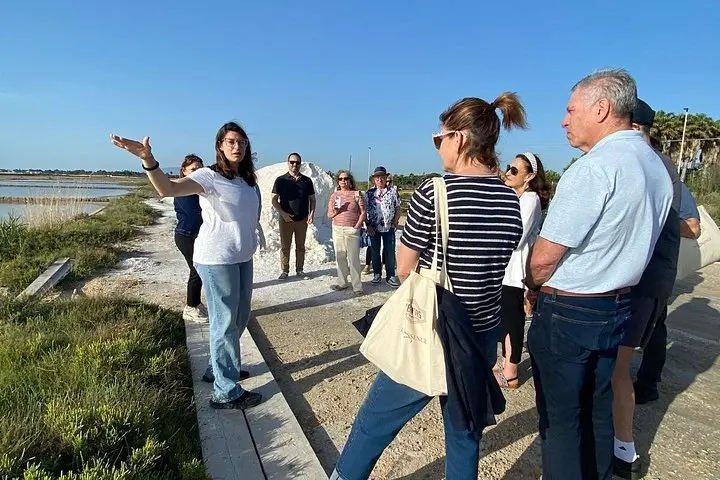
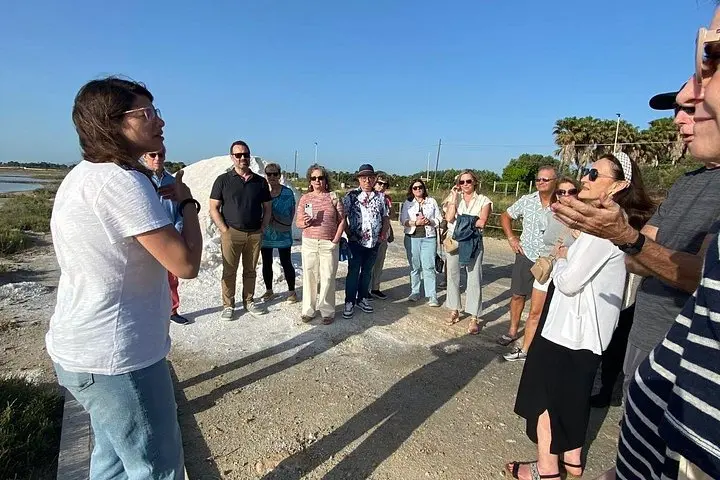
Practical guidance: the tour is easy and largely flat, suitable for most fitness levels and accessible with a stroller. Wear closed-toe shoes for gravel and uneven boardwalks, bring a wind layer and a bottle of water, and aim for the final visit window for sunset — lighting and bird activity are markedly better. Cameras or binoculars are useful; follow the guide’s route and step lightly to protect nesting areas.
The guided experience runs approximately 45 minutes and covers flat, accessible paths across the salt pans.
The activity notes indicate stroller accessibility and service animals are allowed; check with the operator about pets before booking.
Yes — the shallow ponds attract shorebirds such as flamingos and herons; sightings depend on season and water levels.
Yes; the tour is rated physically easy, but infants must sit on a lap and close supervision is advised near water and salt crust.
SALINE GENNA operates guided outdoor trips and adventures with an emphasis on safety, stewardship, and memorable experiences.
The late-afternoon light strips the landscape down to geometry: shallow rectangular ponds, pale ridges of salt, and a horizon pierced by the silhouettes of the Egadi Islands. On this guided, 45-minute walk through the salt pans outside Marsala, the sun leans toward the water and the brine reflects color like a slow-moving mirror, turning flats into bands of rose, gold and silver.
The late-afternoon light strips the landscape down to geometry: shallow rectangular ponds, pale ridges of salt, and a horizon pierced by the silhouettes of the Egadi Islands. On this guided, 45-minute walk through the salt pans outside Marsala, the sun leans toward the water and the brine reflects color like a slow-moving mirror, turning flats into bands of rose, gold and silver.
These pans are working evaporation ponds where seawater is channeled and concentrated until salt crystallizes. The practice here dates back millennia — the Phoenicians and later the Romans exploited the Stagnone lagoon and nearby islands for salt and trade — and the terrain records that history in low levees, sluices and simple processing structures. Geologically the site is coastal lagoon: shallow, flat, and controlled by tides and wind, which shape the rate of evaporation and the colors you see.
Culturally, Marsala’s salt pans sit alongside fishing and winemaking traditions; local guides often point out Mozia’s archaeological island and the scatter of stilted walkways that support harvesting. The reserve is also a magnet for shorebirds that use the shallow ponds to feed.
Practical guidance: the tour is easy and largely flat, suitable for most fitness levels and accessible with a stroller. Wear closed-toe shoes for gravel and uneven boardwalks, bring a wind layer and a bottle of water, and aim for the final visit window for sunset — lighting and bird activity are markedly better. Cameras or binoculars are useful; follow the guide’s route and step lightly to protect nesting areas.