THE ADVENTURE COLLECTIVE® · Independent discovery and booking for outdoor travel

Climb Mount Sinai at sunset, sleep under desert stars in a Bedouin camp, then descend after sunrise to visit St. Catherine’s Monastery. This overnight from Dahab pairs a strenuous, historic hike with one of Christianity’s oldest monastic sites.
Climb Mount Sinai at sunset, sleep under desert stars in a Bedouin camp, then descend after sunrise to visit St. Catherine’s Monastery. This overnight from Dahab pairs a strenuous, historic hike with one of Christianity’s oldest monastic sites.
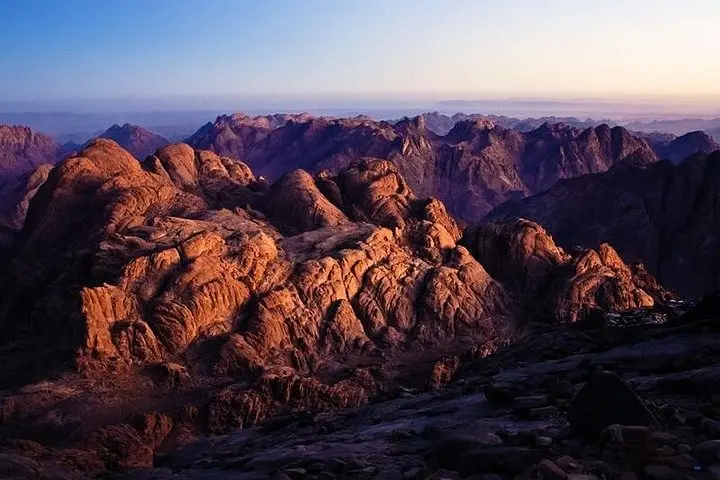
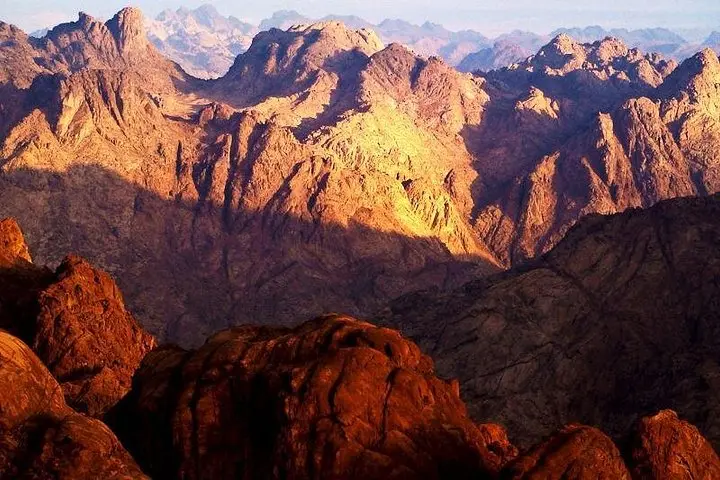
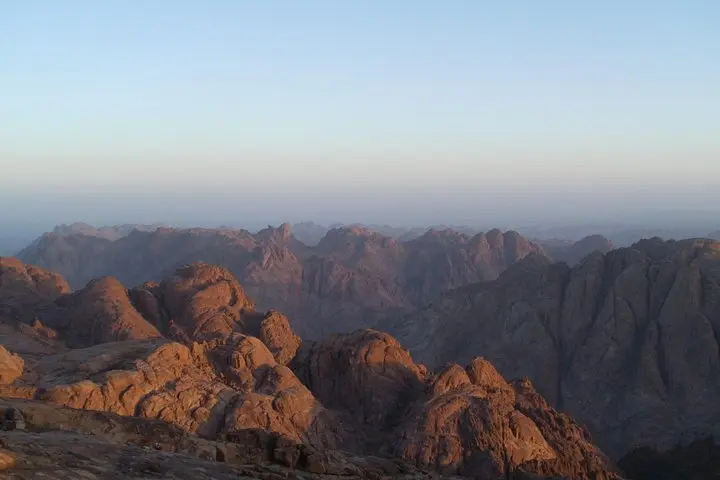
Late afternoon light thins across the Sinai ridges as the group is driven toward the trailhead; wind tugs at your jacket and the mountain seems to shelter a sky already pricked with early stars. The ascent to Jebel Musa (Mount Sinai) begins in the cool hours, a steady climb up paved stone steps and rocky switchbacks that narrow the horizon until the monastery below looks like a token on the valley floor. At the summit, sunset spreads a slow, spreading warmth and, after a Bedouin-style meal and a night under a wide, dark sky, the sunrise returns the world in sharp, desert clarity.
Verified experiences and guided adventures in the surrounding area.
Operated by Dahab Safari Day Tours · Saint Catherine, South Sinai Governorate
Late afternoon light thins across the Sinai ridges as the group is driven toward the trailhead; wind tugs at your jacket and the mountain seems to shelter a sky already pricked with early stars. The ascent to Jebel Musa (Mount Sinai) begins in the cool hours, a steady climb up paved stone steps and rocky switchbacks that narrow the horizon until the monastery below looks like a token on the valley floor. At the summit, sunset spreads a slow, spreading warmth and, after a Bedouin-style meal and a night under a wide, dark sky, the sunrise returns the world in sharp, desert clarity.
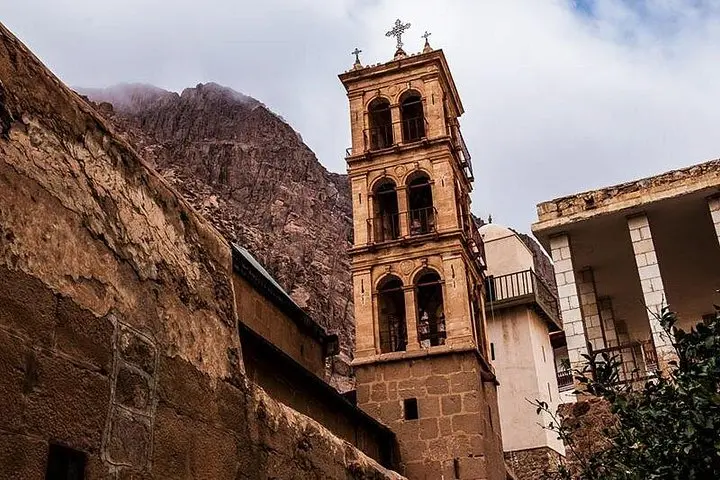
The route threads ancient paths used by pilgrims for centuries. Geologically the massif is granite—worn into steep cliffs and weathered steps—while the nearby St. Catherine’s Monastery occupies a low basin at roughly 1,570 m, its sixth-century walls enclosing the famed Burning Bush and an Icons Gallery that traces Christian history in the region. Local Bedouin guides provide practical knowledge and context: routes, star lore, and shared tea by the fire.
Practicalities matter. Expect a steep one-way climb of roughly 3–4 km with 700–900 m of elevation gain on mixed stone and loose-rock surfaces; temperatures drop sharply overnight. Bring a reliable headlamp, warm layers, sturdy boots, and at least 2–3 liters of water. Modest clothing is required at the monastery; respect quiet hours and conservation rules in the national park. The experience blends physical effort, rugged desert geology, and a deep cultural thread—rewarding for those prepared for altitude, cold nights, and a long day that concludes with a return to Dahab the following morning.
Expect roughly 3–4 km one-way on paths and stone steps, typically 2–4 hours depending on pace and fitness.
Yes—this combined tour includes entrance to St. Catherine National Park and the monastery visit as part of the itinerary.
Yes if you have reasonable mobility; the climb is steep but well-trodden—however it’s not recommended for travelers with serious heart or spinal conditions.
Modest, respectful clothing is required—long sleeves and trousers or long skirts; carry a light scarf for added coverage.
Dahab Safari Day Tours operates guided outdoor trips and adventures with an emphasis on safety, stewardship, and memorable experiences.
Late afternoon light thins across the Sinai ridges as the group is driven toward the trailhead; wind tugs at your jacket and the mountain seems to shelter a sky already pricked with early stars. The ascent to Jebel Musa (Mount Sinai) begins in the cool hours, a steady climb up paved stone steps and rocky switchbacks that narrow the horizon until the monastery below looks like a token on the valley floor. At the summit, sunset spreads a slow, spreading warmth and, after a Bedouin-style meal and a night under a wide, dark sky, the sunrise returns the world in sharp, desert clarity.
Late afternoon light thins across the Sinai ridges as the group is driven toward the trailhead; wind tugs at your jacket and the mountain seems to shelter a sky already pricked with early stars. The ascent to Jebel Musa (Mount Sinai) begins in the cool hours, a steady climb up paved stone steps and rocky switchbacks that narrow the horizon until the monastery below looks like a token on the valley floor. At the summit, sunset spreads a slow, spreading warmth and, after a Bedouin-style meal and a night under a wide, dark sky, the sunrise returns the world in sharp, desert clarity.
The route threads ancient paths used by pilgrims for centuries. Geologically the massif is granite—worn into steep cliffs and weathered steps—while the nearby St. Catherine’s Monastery occupies a low basin at roughly 1,570 m, its sixth-century walls enclosing the famed Burning Bush and an Icons Gallery that traces Christian history in the region. Local Bedouin guides provide practical knowledge and context: routes, star lore, and shared tea by the fire.
Practicalities matter. Expect a steep one-way climb of roughly 3–4 km with 700–900 m of elevation gain on mixed stone and loose-rock surfaces; temperatures drop sharply overnight. Bring a reliable headlamp, warm layers, sturdy boots, and at least 2–3 liters of water. Modest clothing is required at the monastery; respect quiet hours and conservation rules in the national park. The experience blends physical effort, rugged desert geology, and a deep cultural thread—rewarding for those prepared for altitude, cold nights, and a long day that concludes with a return to Dahab the following morning.