THE ADVENTURE COLLECTIVE® · Independent discovery and booking for outdoor travel

Cross Puget Sound by ferry for a day that pairs wide-water vistas with Suquamish stories. Visit the site associated with Chief Seattle, explore the Suquamish Museum, and learn a local history that reshapes how you see the region.
Cross Puget Sound by ferry for a day that pairs wide-water vistas with Suquamish stories. Visit the site associated with Chief Seattle, explore the Suquamish Museum, and learn a local history that reshapes how you see the region.
The ferry shoves off from downtown Seattle with a low, breathy fog hanging over Elliott Bay. Glassy water gives way to a wake that parts the Salish Sea, and by the time Bainbridge Island's shoreline lurches into view, the city skyline has folded into one distant line. You step onto the dock with the salt and cedar in the air—this is a day that asks for attention: to stories, to place, and to the land-and-water that made them.
Verified experiences and guided adventures in the surrounding area.
The ferry shoves off from downtown Seattle with a low, breathy fog hanging over Elliott Bay. Glassy water gives way to a wake that parts the Salish Sea, and by the time Bainbridge Island's shoreline lurches into view, the city skyline has folded into one distant line. You step onto the dock with the salt and cedar in the air—this is a day that asks for attention: to stories, to place, and to the land-and-water that made them.
This full-day, private outing threads together three elements that define Puget Sound—coastal geography carved by ice, Indigenous stewardship that predates the ferry routes, and the modern city that grew on both. The itinerary brings you across the water to Bainbridge and then east to the Port Madison / Suquamish area, where you will stand at the grave site associated with Chief Sealth (Seattle), and visit the Suquamish Museum to see artifacts, carver works, and seasonal exhibits.
Geologically, the waterways you cross are products of the last ice age: deep channels, drowned river valleys, and tidal flats that create a coastal ecology of eelgrass beds, forage fish runs, and forage for salmon. Culturally, the Suquamish people have lived, fished, and navigated these waters for millennia; the museum frames contemporary tribal life alongside history—treaties, displacement, and resilience—so the stop isn’t a static relic tour but a living context for the landscape.
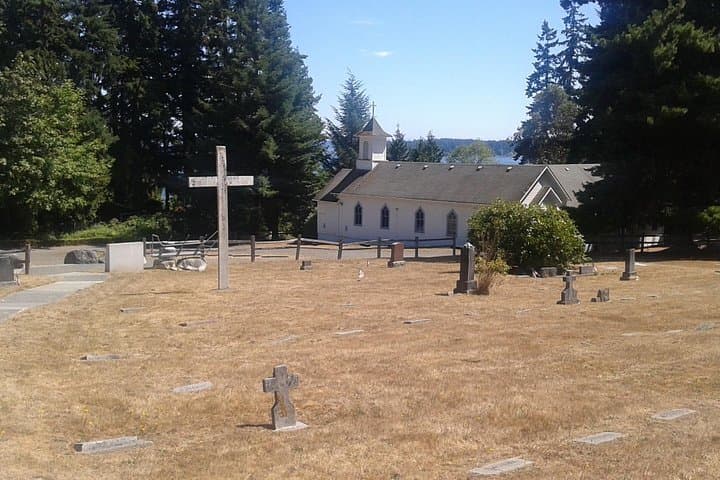
On the ground, the pace is deliberate. A museum docent or guide will point out the stylized formline designs, explain cedar plank house construction, and read the coastline differently—by resource, by seasonal camp, by song. At the gravesite you'll encounter a place of local reverence; photography and behavior follow the guidance of tribal stewards. Views across Port Madison and the Olympic foothills make the practical moments—snapping a photo, pulling on a rain layer, stretching legs—feel cinematic.
Practicalities matter: the total outing runs roughly seven hours, so plan for changeable weather, ferry timing, and short walks on uneven surfaces and cemetery paths. Bring a daypack with a waterproof layer, snacks, and binoculars for bald eagles and seals. If you want deeper context, ask in advance for a guide who can expand on language, place names, or arrange a conversation with tribal educators.
Why take this tour? It reframes familiar Seattle geography through Indigenous perspectives and puts you in direct contact with places that shaped the city’s name and history. It’s an accessible day that still asks you to slow down, listen, and leave with a clearer sense of how land, sea, and culture are braided along Puget Sound.
The tour is approximately seven hours and typically departs from central Seattle; confirm pickup or meeting location when you book.
Yes, visitors can go to the site, but you should follow tribal guidance—some areas may be treated as private or ceremonial spaces.
Inclusions vary by operator; check the booking page or ask the provider whether museum entry fees are part of the tour price.
Photographic policy is set by the Suquamish Museum and tribal stewards—ask staff and always respect signage and requests to refrain from photography in sensitive areas.
Many operators include ferry logistics in a private tour, but confirm whether your booking covers fares and transfers or if you need to purchase tickets separately.
Yes, it’s family-friendly but involves ferry time and short walks; consider mobility needs for those who have trouble with uneven terrain or steps.
The ferry shoves off from downtown Seattle with a low, breathy fog hanging over Elliott Bay. Glassy water gives way to a wake that parts the Salish Sea, and by the time Bainbridge Island's shoreline lurches into view, the city skyline has folded into one distant line. You step onto the dock with the salt and cedar in the air—this is a day that asks for attention: to stories, to place, and to the land-and-water that made them.
The ferry shoves off from downtown Seattle with a low, breathy fog hanging over Elliott Bay. Glassy water gives way to a wake that parts the Salish Sea, and by the time Bainbridge Island's shoreline lurches into view, the city skyline has folded into one distant line. You step onto the dock with the salt and cedar in the air—this is a day that asks for attention: to stories, to place, and to the land-and-water that made them.
This full-day, private outing threads together three elements that define Puget Sound—coastal geography carved by ice, Indigenous stewardship that predates the ferry routes, and the modern city that grew on both. The itinerary brings you across the water to Bainbridge and then east to the Port Madison / Suquamish area, where you will stand at the grave site associated with Chief Sealth (Seattle), and visit the Suquamish Museum to see artifacts, carver works, and seasonal exhibits.
Geologically, the waterways you cross are products of the last ice age: deep channels, drowned river valleys, and tidal flats that create a coastal ecology of eelgrass beds, forage fish runs, and forage for salmon. Culturally, the Suquamish people have lived, fished, and navigated these waters for millennia; the museum frames contemporary tribal life alongside history—treaties, displacement, and resilience—so the stop isn’t a static relic tour but a living context for the landscape.
On the ground, the pace is deliberate. A museum docent or guide will point out the stylized formline designs, explain cedar plank house construction, and read the coastline differently—by resource, by seasonal camp, by song. At the gravesite you'll encounter a place of local reverence; photography and behavior follow the guidance of tribal stewards. Views across Port Madison and the Olympic foothills make the practical moments—snapping a photo, pulling on a rain layer, stretching legs—feel cinematic.
Practicalities matter: the total outing runs roughly seven hours, so plan for changeable weather, ferry timing, and short walks on uneven surfaces and cemetery paths. Bring a daypack with a waterproof layer, snacks, and binoculars for bald eagles and seals. If you want deeper context, ask in advance for a guide who can expand on language, place names, or arrange a conversation with tribal educators.
Why take this tour? It reframes familiar Seattle geography through Indigenous perspectives and puts you in direct contact with places that shaped the city’s name and history. It’s an accessible day that still asks you to slow down, listen, and leave with a clearer sense of how land, sea, and culture are braided along Puget Sound.