THE ADVENTURE COLLECTIVE® · Independent discovery and booking for outdoor travel

Explore Nantes on a 90‑minute surprise walk led by a local who knows the city’s hidden corners, public art, and social history. This small‑group stroll mixes cultural context with practical tips, ending at the tranquil Japanese Garden on Île de Versailles.
Explore Nantes on a 90‑minute surprise walk led by a local who knows the city’s hidden corners, public art, and social history. This small‑group stroll mixes cultural context with practical tips, ending at the tranquil Japanese Garden on Île de Versailles.
You meet at the Parc de l’Elephant, tram hum in the background and the hulking mechanical beast watching over the shipyards. The walk moves like the city itself: brisk where industry once pushed the Loire, slower where courtyards and arcades insist you pause. Your local host steers toward odd sculptures, backstreets, and a Japanese garden that reads like a quiet exhale.
Verified experiences and guided adventures in the surrounding area.
Operated by LocalBini - The go-to platform for Experiences by Locals in Europe · Nantes, Loire-Atlantique
You meet at the Parc de l’Elephant, tram hum in the background and the hulking mechanical beast watching over the shipyards. The walk moves like the city itself: brisk where industry once pushed the Loire, slower where courtyards and arcades insist you pause. Your local host steers toward odd sculptures, backstreets, and a Japanese garden that reads like a quiet exhale.
Nantes was a medieval port turned industrial hub; vestiges of shipbuilding and maritime trade shape the island of Nantes and its canals. The city’s architecture ranges from 18th‑century façades around Place Royale to the iron-and-glass Passage Pommeraye. Cultural layers are visible in the Memorial to the Abolition of Slavery and in contemporary public art such as Les Machines de l’île — a mechanical imagination rooted in the city’s shipyard past.
Expect close-up city history, quick geological notes about the Loire valley’s tidal influence, and local anecdotes you won’t find in guidebooks. The loop is short—designed for discovery rather than endurance—so it’s ideal for first-time visitors who want context and direction.
Practical: arrive 15 minutes early, bring comfortable shoes, and carry a small water bottle; the route is mostly flat cobblestones and pavements with occasional steps. The host adapts pace and stops to the group and weather; museum entries and transport fares are extra. Morning or late‑afternoon light is best for photos and cooler walking. In 90 minutes you’ll leave with a clear sense of Nantes’ past, its creative present, and a handful of personalized recommendations for deeper exploration.
Meet in front of the building marked “Ateliers et Chantiers de Nantes” at Parc de l’Elephant; the host will confirm location 24 hours before the tour.
Yes—infants and small children can use a pram or stroller, though some short stair sections might require a brief carry.
No—entry fees and public transport costs are not included; the tour focuses on outdoor stops and commentary.
Hosts typically speak the advertised language on the booking page; confirm any language preference when you receive the pre‑tour message.
LocalBini - The go-to platform for Experiences by Locals in Europe operates guided outdoor trips and adventures with an emphasis on safety, stewardship, and memorable experiences.
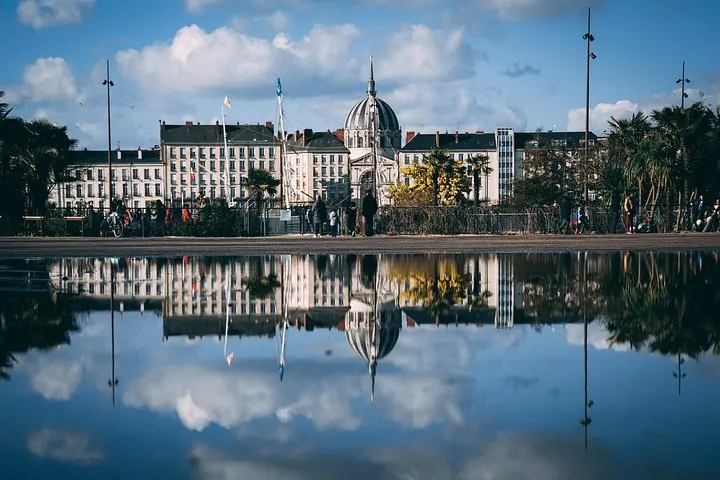
You meet at the Parc de l’Elephant, tram hum in the background and the hulking mechanical beast watching over the shipyards. The walk moves like the city itself: brisk where industry once pushed the Loire, slower where courtyards and arcades insist you pause. Your local host steers toward odd sculptures, backstreets, and a Japanese garden that reads like a quiet exhale.
You meet at the Parc de l’Elephant, tram hum in the background and the hulking mechanical beast watching over the shipyards. The walk moves like the city itself: brisk where industry once pushed the Loire, slower where courtyards and arcades insist you pause. Your local host steers toward odd sculptures, backstreets, and a Japanese garden that reads like a quiet exhale.
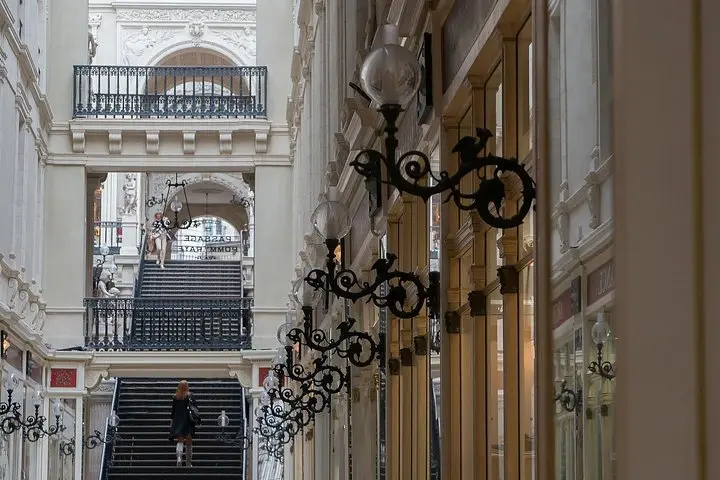
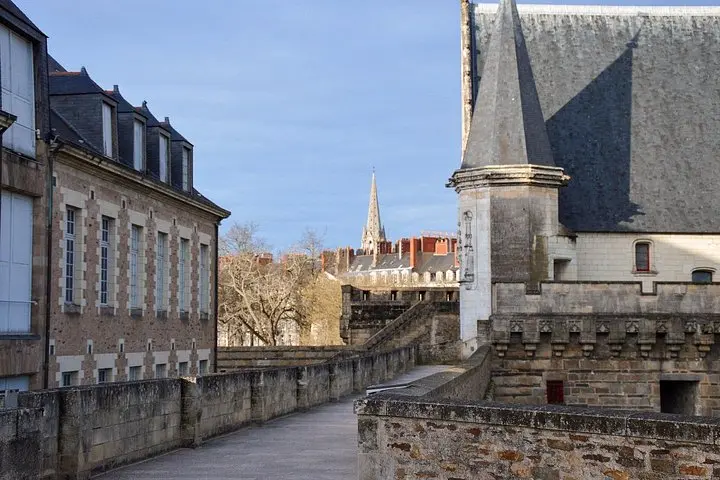
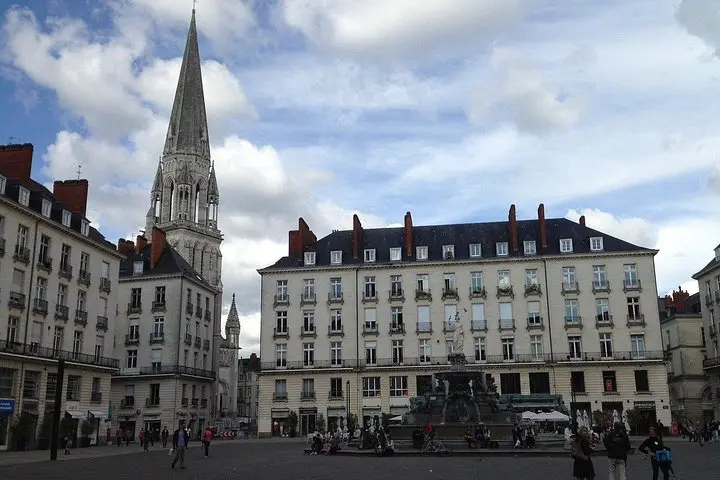
Nantes was a medieval port turned industrial hub; vestiges of shipbuilding and maritime trade shape the island of Nantes and its canals. The city’s architecture ranges from 18th‑century façades around Place Royale to the iron-and-glass Passage Pommeraye. Cultural layers are visible in the Memorial to the Abolition of Slavery and in contemporary public art such as Les Machines de l’île — a mechanical imagination rooted in the city’s shipyard past.
Expect close-up city history, quick geological notes about the Loire valley’s tidal influence, and local anecdotes you won’t find in guidebooks. The loop is short—designed for discovery rather than endurance—so it’s ideal for first-time visitors who want context and direction.
Practical: arrive 15 minutes early, bring comfortable shoes, and carry a small water bottle; the route is mostly flat cobblestones and pavements with occasional steps. The host adapts pace and stops to the group and weather; museum entries and transport fares are extra. Morning or late‑afternoon light is best for photos and cooler walking. In 90 minutes you’ll leave with a clear sense of Nantes’ past, its creative present, and a handful of personalized recommendations for deeper exploration.