THE ADVENTURE COLLECTIVE® · Independent discovery and booking for outdoor travel

Walk Ground Zero with a guide who lived through September 11 — a two-hour survivor-led tour that combines eyewitness memory with precise stops at lesser-known sites, from St. Paul’s Chapel to the Memorial Pools and the Survivor Tree. Expect candid stories, visible physical traces of the attacks, and practical guidance for visiting the memorials respectfully.
Walk Ground Zero with a guide who lived through September 11 — a two-hour survivor-led tour that combines eyewitness memory with precise stops at lesser-known sites, from St. Paul’s Chapel to the Memorial Pools and the Survivor Tree. Expect candid stories, visible physical traces of the attacks, and practical guidance for visiting the memorials respectfully.
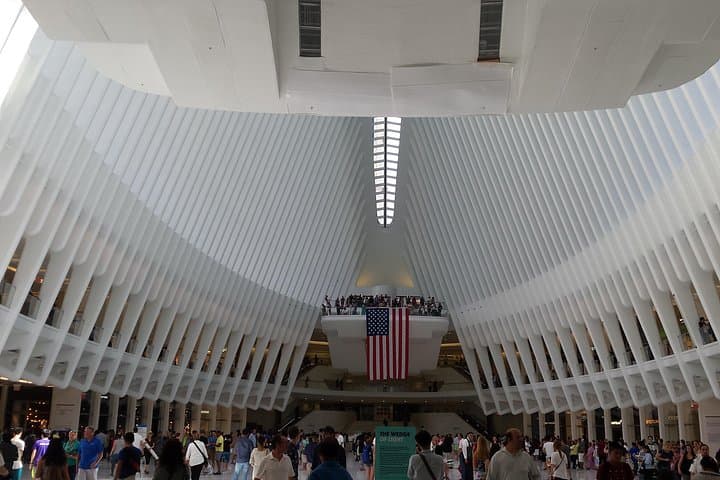
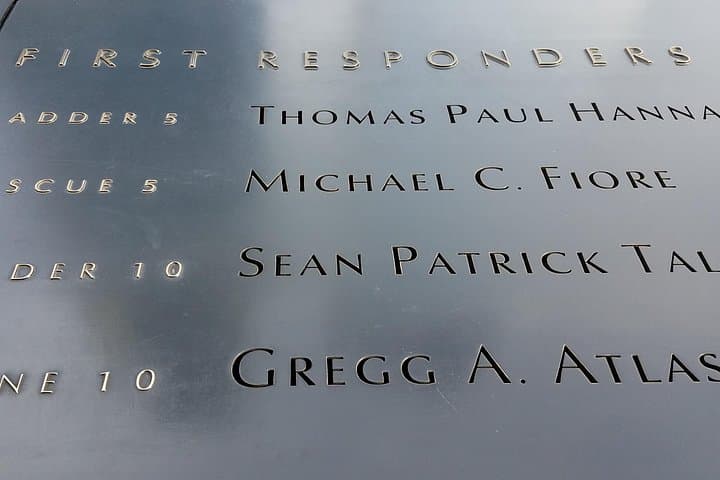
You start at the plaza's red cube, city noise folding away as the guide — a 9/11 survivor — speaks in measured, plain terms. Walking toward the Memorial Pools, the air changes: concrete and glass give way to the deep, falling sound of water and names carved into bronze. The guide points out scars still visible on streets and bridges, small traces that many visitors miss.
Verified experiences and guided adventures in the surrounding area.
Operated by Isle Of New York Tours · New York, NY
You start at the plaza's red cube, city noise folding away as the guide — a 9/11 survivor — speaks in measured, plain terms. Walking toward the Memorial Pools, the air changes: concrete and glass give way to the deep, falling sound of water and names carved into bronze. The guide points out scars still visible on streets and bridges, small traces that many visitors miss.
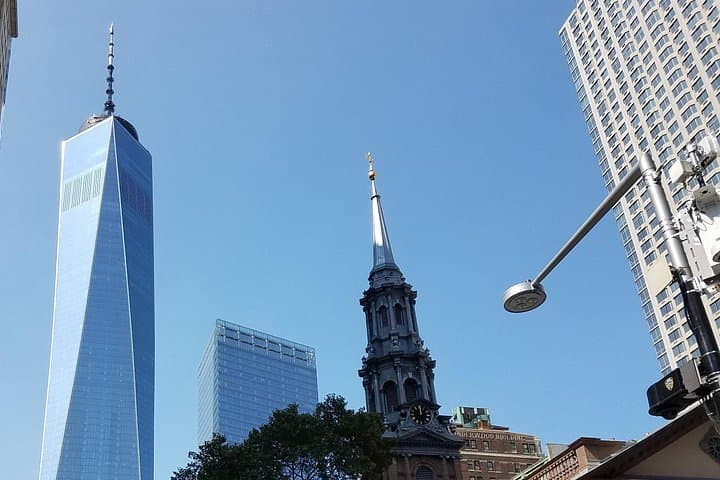
This route threads 400 years of New York history. St. Paul’s Chapel, built before the United States existed, became an impromptu refuge for rescue workers after September 11. Nearby, the Memorial Pools occupy the footprints of the Twin Towers; the design channels absence into a physical presence. Urban geology matters here too — Manhattan’s bedrock shaped where towers were built and where debris settled, leaving traces that a trained eye can read.
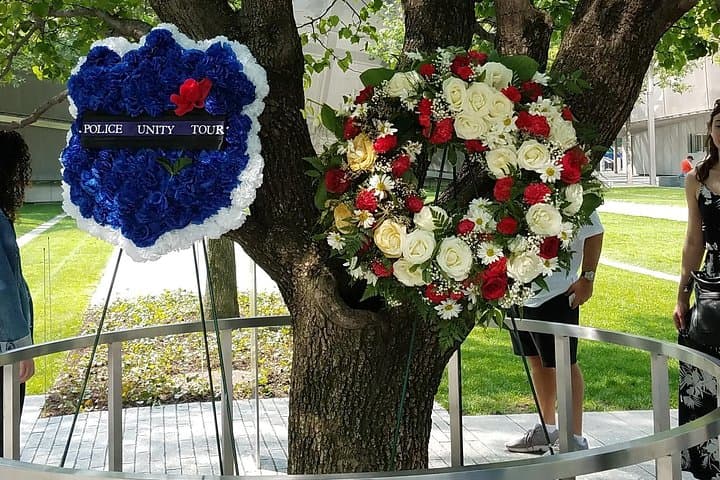
Culturally, the walk covers public memorialization and private grief: the Eleven Tears at American Express, the firefighters’ bronze, the Survivor Tree and the newer memorials acknowledging those who later died from exposure and illness. You’ll see artifacts like Fritz Koenig’s damaged bronze Sphere and a scion of the chestnut Anne Frank admired.
Practically, the tour is two hours on mostly flat, paved surfaces with frequent stops. Expect crowds at the pools; mornings are quieter. Wear comfortable shoes, bring ID if you want help finding a specific name panel, and allow time afterward to visit museum spaces independently. The tone is respectful — photos are common, but silence and space for reflection are part of the visit.
The tour runs about two hours and covers short walks between memorials on flat, paved surfaces with frequent stops.
Yes; the route and key memorial areas are wheelchair accessible and the guide can accommodate mobility needs.
Yes — if you provide the name in advance, the guide can point you to the correct panel and explain the grouping.
Photography is permitted, but visitors are asked to be respectful and yield space for quiet reflection near name panels and water features.
Isle Of New York Tours operates guided outdoor trips and adventures with an emphasis on safety, stewardship, and memorable experiences.
You start at the plaza's red cube, city noise folding away as the guide — a 9/11 survivor — speaks in measured, plain terms. Walking toward the Memorial Pools, the air changes: concrete and glass give way to the deep, falling sound of water and names carved into bronze. The guide points out scars still visible on streets and bridges, small traces that many visitors miss.
You start at the plaza's red cube, city noise folding away as the guide — a 9/11 survivor — speaks in measured, plain terms. Walking toward the Memorial Pools, the air changes: concrete and glass give way to the deep, falling sound of water and names carved into bronze. The guide points out scars still visible on streets and bridges, small traces that many visitors miss.
This route threads 400 years of New York history. St. Paul’s Chapel, built before the United States existed, became an impromptu refuge for rescue workers after September 11. Nearby, the Memorial Pools occupy the footprints of the Twin Towers; the design channels absence into a physical presence. Urban geology matters here too — Manhattan’s bedrock shaped where towers were built and where debris settled, leaving traces that a trained eye can read.
Culturally, the walk covers public memorialization and private grief: the Eleven Tears at American Express, the firefighters’ bronze, the Survivor Tree and the newer memorials acknowledging those who later died from exposure and illness. You’ll see artifacts like Fritz Koenig’s damaged bronze Sphere and a scion of the chestnut Anne Frank admired.
Practically, the tour is two hours on mostly flat, paved surfaces with frequent stops. Expect crowds at the pools; mornings are quieter. Wear comfortable shoes, bring ID if you want help finding a specific name panel, and allow time afterward to visit museum spaces independently. The tone is respectful — photos are common, but silence and space for reflection are part of the visit.