THE ADVENTURE COLLECTIVE® · Independent discovery and booking for outdoor travel

Spend a full day tracking Sussex’s birdlife with an expert guide—explore estuaries, downland and floodplain habitats with high-quality optics and tailored species targets. Ideal for both serious birders and curious wildlife lovers.
Spend a full day tracking Sussex’s birdlife with an expert guide—explore estuaries, downland and floodplain habitats with high-quality optics and tailored species targets. Ideal for both serious birders and curious wildlife lovers.
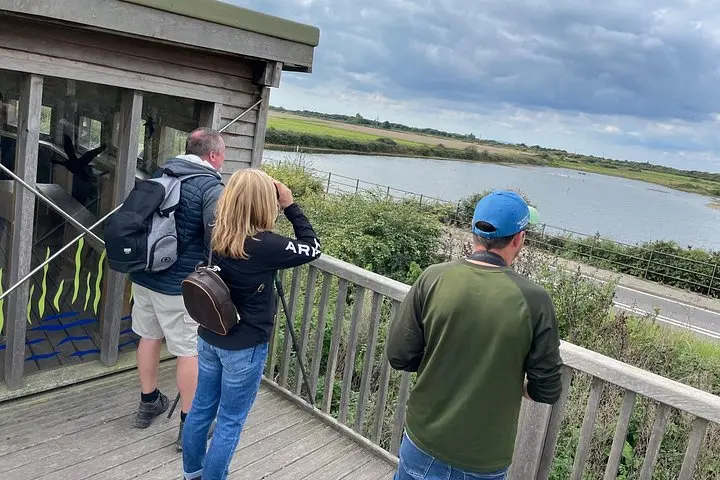
You step out on a cool Sussex morning with binoculars pressed to your face and the sea wind nudging the light across shingle and reedbed.
Verified experiences and guided adventures in the surrounding area.
Operated by Wildstarts · Brighton, East Sussex
You step out on a cool Sussex morning with binoculars pressed to your face and the sea wind nudging the light across shingle and reedbed.
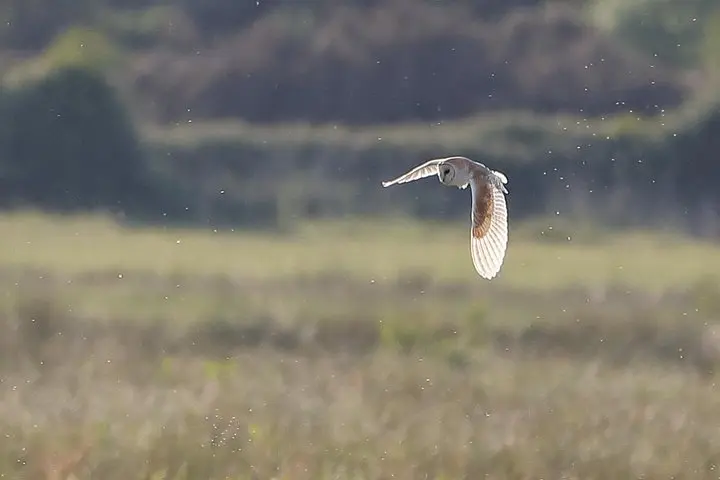
A private guide leads the day, moving deliberately between saltmarsh, river floodplain, downland and harbour—each terrain promising a different cast of birds. Skylarks launch themselves above chalk grassland; avocets stir shallow water; raptors quarter the high blue; and in winter the estuaries bristle with wigeon and pintail that seem to ride the tide.
Sussex’s coastline and lowlands are shaped by chalk downland and river systems such as the Arun and Adur, creating rich mosaics of wetland and farmland that have supported coastal and migratory species for centuries. Human history here—from medieval fishing villages to reclaimed grazing marshes—has influenced where birds feed and nest, while local communities maintain reserves and hides for visitors.
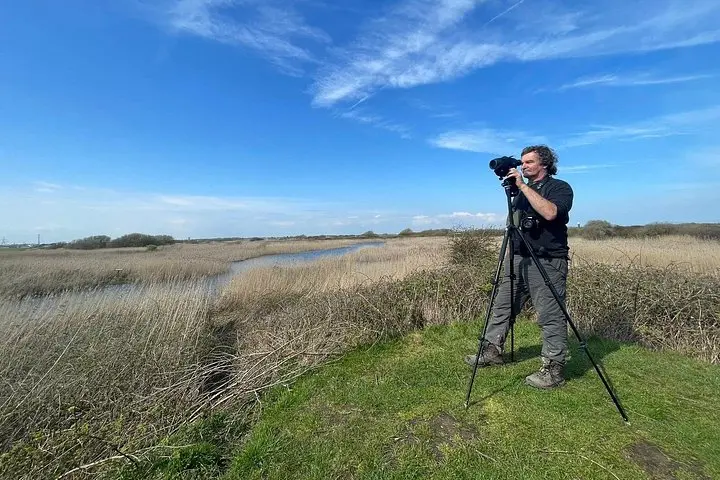
Expect a day paced around light and tides: long glassing sessions at hides, short walks across firm tracks, and vehicle hops between sites. Guides supply high-quality optics and a personalized trip report, tailoring species targets from warblers and woodlarks to wintering sea-duck.
Practical tips: dress in layers and waterproofs, bring snacks and water for a 10-hour day, and arrive with a charged phone or camera. The terrain is mostly easy underfoot but can be muddy at saltmarsh edges—sturdy footwear helps. Book in advance for peak migration windows and let your guide know target species so time at each site is optimized.
The private day tour runs about 10 hours with intermittent short walks between hides and vehicles; most terrain is easy but can be muddy near wetlands.
Yes—guides tailor the itinerary to target species and seasonal migration; mention priority species when booking.
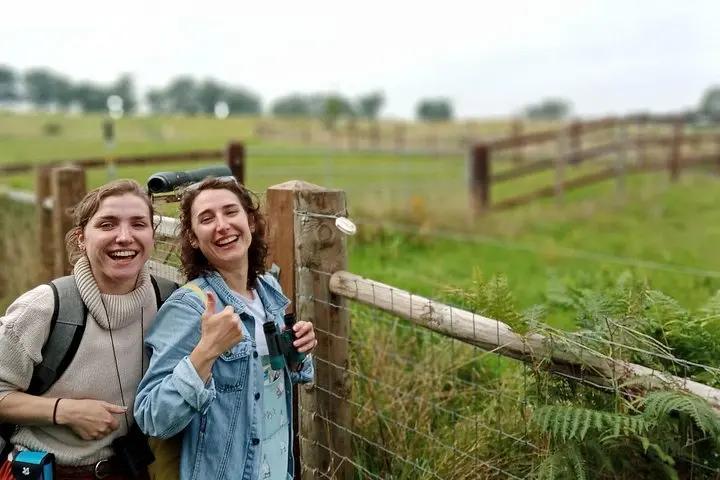
Guides typically provide high-quality binoculars and a spotting scope; check inclusion details when booking.
Yes—many sites are accessible and the tour is suitable for a wide range of fitness levels; inform the operator about mobility needs during booking.
Wildstarts operates guided outdoor trips and adventures with an emphasis on safety, stewardship, and memorable experiences.
You step out on a cool Sussex morning with binoculars pressed to your face and the sea wind nudging the light across shingle and reedbed.
You step out on a cool Sussex morning with binoculars pressed to your face and the sea wind nudging the light across shingle and reedbed.
A private guide leads the day, moving deliberately between saltmarsh, river floodplain, downland and harbour—each terrain promising a different cast of birds. Skylarks launch themselves above chalk grassland; avocets stir shallow water; raptors quarter the high blue; and in winter the estuaries bristle with wigeon and pintail that seem to ride the tide.
Sussex’s coastline and lowlands are shaped by chalk downland and river systems such as the Arun and Adur, creating rich mosaics of wetland and farmland that have supported coastal and migratory species for centuries. Human history here—from medieval fishing villages to reclaimed grazing marshes—has influenced where birds feed and nest, while local communities maintain reserves and hides for visitors.
Expect a day paced around light and tides: long glassing sessions at hides, short walks across firm tracks, and vehicle hops between sites. Guides supply high-quality optics and a personalized trip report, tailoring species targets from warblers and woodlarks to wintering sea-duck.
Practical tips: dress in layers and waterproofs, bring snacks and water for a 10-hour day, and arrive with a charged phone or camera. The terrain is mostly easy underfoot but can be muddy at saltmarsh edges—sturdy footwear helps. Book in advance for peak migration windows and let your guide know target species so time at each site is optimized.