THE ADVENTURE COLLECTIVE® · Independent discovery and booking for outdoor travel

A compact, community-focused tour that pairs plastic-waste education at WasteLess Arugam Bay with a behind-the-scenes visit to Rice & Carry’s upcycling workshop in Komari. Perfect for travelers who want to learn, make and buy fair-trade souvenirs.
A compact, community-focused tour that pairs plastic-waste education at WasteLess Arugam Bay with a behind-the-scenes visit to Rice & Carry’s upcycling workshop in Komari. Perfect for travelers who want to learn, make and buy fair-trade souvenirs.
Salted air and the distant hiss of surf set the scene as visitors meet in Arugam Bay and head inland toward Komari, where community enterprise reshapes waste into work.
Verified experiences and guided adventures in the surrounding area.
Operated by Rice & Carry · Arugam Bay, Eastern Province
Salted air and the distant hiss of surf set the scene as visitors meet in Arugam Bay and head inland toward Komari, where community enterprise reshapes waste into work.
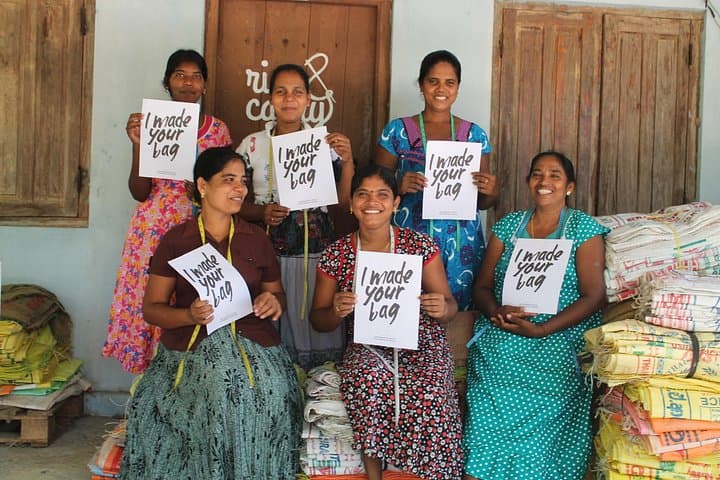
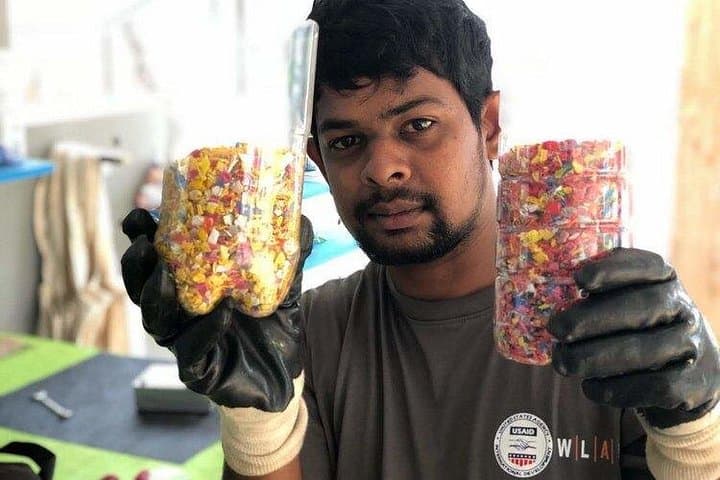
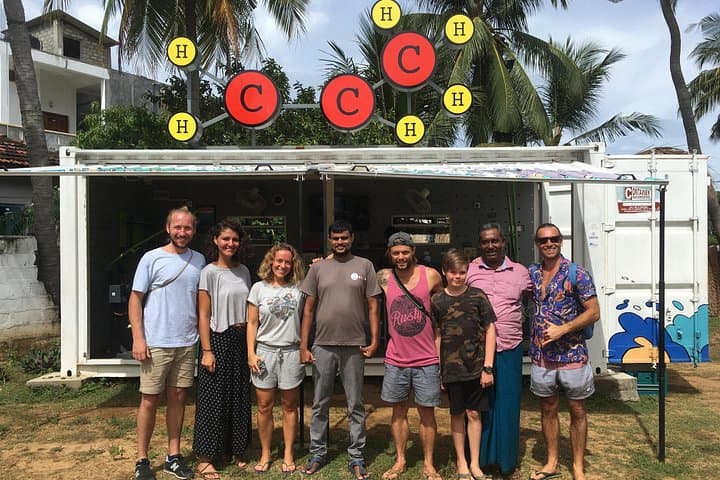
The tour opens at WasteLess Arugam Bay, a grassroots center tackling plastic pollution through collection, recycling and hands-on education. From there the group travels to Rice & Carry in Komari, a fair-trade social enterprise where women convert upcycled materials into durable bags. Along the short road between towns the landscape shifts from surf-swept beach scrub to rice paddies and scattered cashew trees — the East Coast’s low-lying plains forged by river silt and centuries of coastal trade.
Participants learn local waste issues, fair-trade practices and women's empowerment initiatives while trying a DIY upcycling workshop. The experience doubles as a cultural briefing: stories of rebuilding after the 2004 tsunami, the role of fisheries and seasonal monsoons that dictate rhythms of work and travel.
Practical guidance: expect light walking, indoor workshops and brief vehicle transfers (tour duration roughly 3–3.5 hours). Bring cash for local purchases, a sunhat and refillable water bottle, and wear respectful, comfortable clothing for visiting production spaces. Timing matters — mornings are cooler and quieter, while afternoons can be hot and windy. Photography is usually welcome, but ask before shooting people at work. The tour is low-impact and educational, ideal for travelers who want to support community-led sustainability and learn a hands-on skill to take home.
The tour lasts about 3–3.5 hours, including transport between Arugam Bay and Komari and time at both sites.
Yes — the DIY upcycling session is family friendly, though younger children may need supervision for cutting or small tools.
Yes — the tour includes a shop stop and visitors usually receive a discount; bring cash or a card where accepted.
The tour involves short walks and indoor spaces; organizers note it’s suitable for all fitness levels but recommend contacting the operator ahead for specific accessibility needs.
Rice & Carry operates guided outdoor trips and adventures with an emphasis on safety, stewardship, and memorable experiences.

Salted air and the distant hiss of surf set the scene as visitors meet in Arugam Bay and head inland toward Komari, where community enterprise reshapes waste into work.
Salted air and the distant hiss of surf set the scene as visitors meet in Arugam Bay and head inland toward Komari, where community enterprise reshapes waste into work.
The tour opens at WasteLess Arugam Bay, a grassroots center tackling plastic pollution through collection, recycling and hands-on education. From there the group travels to Rice & Carry in Komari, a fair-trade social enterprise where women convert upcycled materials into durable bags. Along the short road between towns the landscape shifts from surf-swept beach scrub to rice paddies and scattered cashew trees — the East Coast’s low-lying plains forged by river silt and centuries of coastal trade.
Participants learn local waste issues, fair-trade practices and women's empowerment initiatives while trying a DIY upcycling workshop. The experience doubles as a cultural briefing: stories of rebuilding after the 2004 tsunami, the role of fisheries and seasonal monsoons that dictate rhythms of work and travel.
Practical guidance: expect light walking, indoor workshops and brief vehicle transfers (tour duration roughly 3–3.5 hours). Bring cash for local purchases, a sunhat and refillable water bottle, and wear respectful, comfortable clothing for visiting production spaces. Timing matters — mornings are cooler and quieter, while afternoons can be hot and windy. Photography is usually welcome, but ask before shooting people at work. The tour is low-impact and educational, ideal for travelers who want to support community-led sustainability and learn a hands-on skill to take home.