THE ADVENTURE COLLECTIVE® · Independent discovery and booking for outdoor travel

Walk the UNESCO-listed Hwaseong Fortress on a focused half-day from Seoul. This guided tour combines rampart views, the royal Haenggung palace, and historical context with admission and transport included.
Walk the UNESCO-listed Hwaseong Fortress on a focused half-day from Seoul. This guided tour combines rampart views, the royal Haenggung palace, and historical context with admission and transport included.
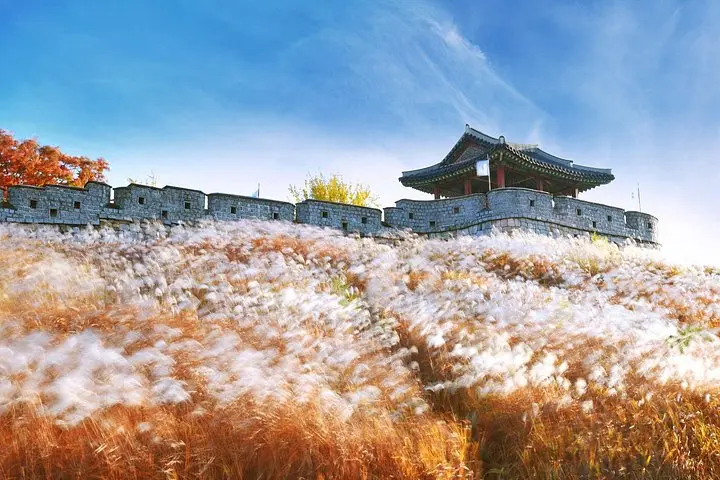
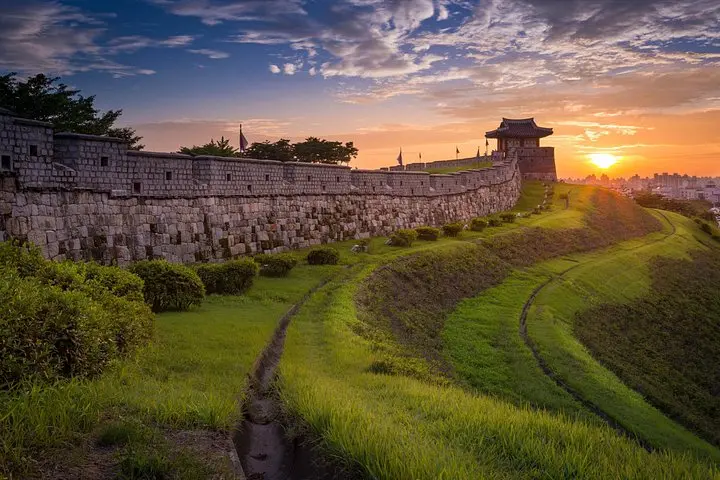
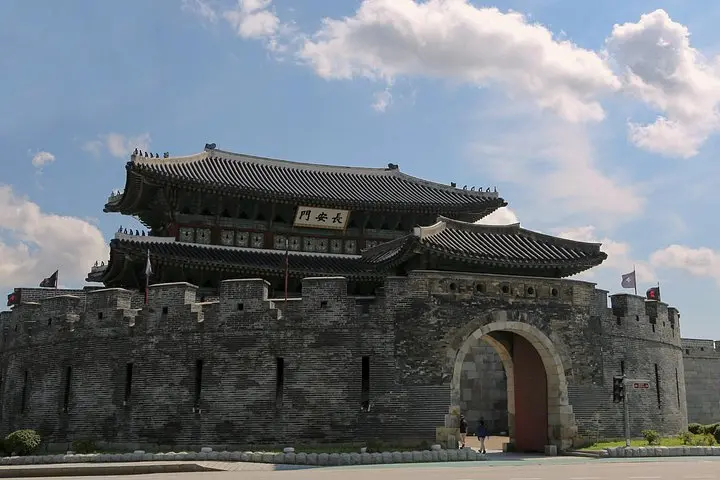
You step off the coach onto a broad plaza and the fortress walls rise, not as a distant relic but as a lived-in edge to the city — crenellations and gatehouses cutting the skyline, guards of stone that have kept watch since the late 18th century.
Verified experiences and guided adventures in the surrounding area.
Operated by I Love Seoul Tour · Suwon, Gyeonggi-do
You step off the coach onto a broad plaza and the fortress walls rise, not as a distant relic but as a lived-in edge to the city — crenellations and gatehouses cutting the skyline, guards of stone that have kept watch since the late 18th century.
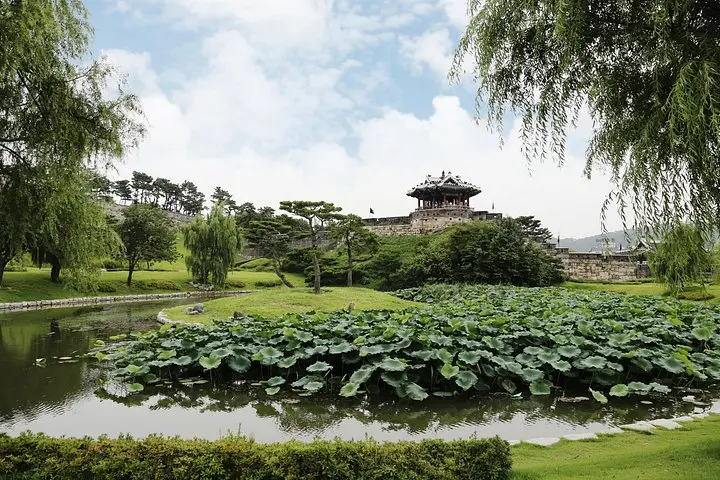
Built under King Jeongjo between 1794–1796, Hwaseong Fortress was conceived as both a defensive ring and an expression of filial duty toward the king’s father. The walls loop over low ridges and follow the Han River plain, a deliberate marriage of Korean masonry and contemporary engineering of the Joseon era. Within the walls, Hwaseong Haenggung palace offers a quieter domestic scale where royal processions once paused.
Culture here is tactile: plaques explain military innovations (like the unique brick-and-stone construction and early pulley techniques), while local vendors sell street eats near the gates. The site is part of a living city — markets, tramlines and neighborhood alleys frame the ancient stones.
Practical guidance: the standard small-group itinerary spends about 90 minutes exploring the ramparts and 30 minutes at Haenggung inside a 4-hour roundtrip from Seoul. Footing varies from paved courtyards to steep stone steps — solid walking shoes and a steady pace make the most of viewpoints. Mornings or late afternoons reduce heat and crowds; admission and expert guide are included, and there are no shopping stops on this tour. Photographs are easy, but be respectful during cultural demonstrations and busy weekends. For travelers based in Seoul, this is an accessible half-day that blends history, urban life, and crisp vantage points over Gyeonggi-do.
Yes — admission for the fortress and Haenggung palace is included in the tour price.
Hotel pickup is provided for centrally located Seoul hotels; otherwise the guide will arrange a central meeting point or nearby subway station.
The tour involves stairs and uneven stone; it’s labeled suitable for general fitness but not recommended for those with serious spinal or mobility issues.
This listing provides an English-speaking guide; confirm at booking for other language needs.
I Love Seoul Tour operates guided outdoor trips and adventures with an emphasis on safety, stewardship, and memorable experiences.
You step off the coach onto a broad plaza and the fortress walls rise, not as a distant relic but as a lived-in edge to the city — crenellations and gatehouses cutting the skyline, guards of stone that have kept watch since the late 18th century.
You step off the coach onto a broad plaza and the fortress walls rise, not as a distant relic but as a lived-in edge to the city — crenellations and gatehouses cutting the skyline, guards of stone that have kept watch since the late 18th century.
Built under King Jeongjo between 1794–1796, Hwaseong Fortress was conceived as both a defensive ring and an expression of filial duty toward the king’s father. The walls loop over low ridges and follow the Han River plain, a deliberate marriage of Korean masonry and contemporary engineering of the Joseon era. Within the walls, Hwaseong Haenggung palace offers a quieter domestic scale where royal processions once paused.
Culture here is tactile: plaques explain military innovations (like the unique brick-and-stone construction and early pulley techniques), while local vendors sell street eats near the gates. The site is part of a living city — markets, tramlines and neighborhood alleys frame the ancient stones.
Practical guidance: the standard small-group itinerary spends about 90 minutes exploring the ramparts and 30 minutes at Haenggung inside a 4-hour roundtrip from Seoul. Footing varies from paved courtyards to steep stone steps — solid walking shoes and a steady pace make the most of viewpoints. Mornings or late afternoons reduce heat and crowds; admission and expert guide are included, and there are no shopping stops on this tour. Photographs are easy, but be respectful during cultural demonstrations and busy weekends. For travelers based in Seoul, this is an accessible half-day that blends history, urban life, and crisp vantage points over Gyeonggi-do.