THE ADVENTURE COLLECTIVE® · Independent discovery and booking for outdoor travel

A two-hour guided walk through Swansea's docks, museums and bayfront, tracing a city shaped by Norse names, Norman castles, copper trade and wartime change. Perfect for a concise, accessible introduction to Swansea's history and coastal character.
A two-hour guided walk through Swansea's docks, museums and bayfront, tracing a city shaped by Norse names, Norman castles, copper trade and wartime change. Perfect for a concise, accessible introduction to Swansea's history and coastal character.
You step out onto the waterfront and the bay pushes its presence toward the city — Swansea Bay's wide curve brings a sense of space right into the urban center. The tour begins at the old docklands where cranes once shaped fortunes; now cafés and galleries share the quays with moored yachts, and the guide threads stories into the stone and brick.
Verified experiences and guided adventures in the surrounding area.
Operated by Fogo's Free Cardiff Walking Tours · Swansea, Wales
You step out onto the waterfront and the bay pushes its presence toward the city — Swansea Bay's wide curve brings a sense of space right into the urban center. The tour begins at the old docklands where cranes once shaped fortunes; now cafés and galleries share the quays with moored yachts, and the guide threads stories into the stone and brick.
Swansea's story is compact and layered: a name of Norse origin given shape by Norman fortification, then expanded through the copper-smelting boom of the 18th century and reshaped by the industrial revolution. WWII bombing and post-industrial decline altered neighborhoods, but the city's civic life rebounded around culture and the sea. Geologically, the bay is a broad ria cut by rising sea levels after the last ice age; the shoreline you pass was repeatedly remade by tides and reclamation.
You'll pause at Swansea Museum — Wales' oldest — and at the Dylan Thomas museum to hear how local life informed his work. The market, the central city beach, the modern arena and the quirky Copr Bridge provide contrasts that explain the city's character: pragmatic, resilient, and curious.
Practical guidance: the tour runs roughly two hours and is fully wheelchair and stroller accessible. Wear comfortable shoes; surfaces include paved promenades and cobbled lanes. Check museum opening times if you hope to enter — the itinerary may note time-sensitive stops. Public transport serves central pick-up points and the private-guide format allows a steady, conversational pace. Bring a light rain layer and a charged phone for photos — the changing light over the bay is unpredictable and worth catching.
Yes — the route and transportation options listed are wheelchair and stroller accessible; tell the operator when booking to confirm any specific needs.
Some stops may include brief interior visits time-permitting; check opening hours and notify your guide if museum entry is your priority.
This offering is a private tour — the group size is per booking and you’ll have a dedicated guide for your party.
Full refund is available if you cancel at least 24 hours before the scheduled departure; later cancellations are non‑refundable.
Fogo's Free Cardiff Walking Tours operates guided outdoor trips and adventures with an emphasis on safety, stewardship, and memorable experiences.
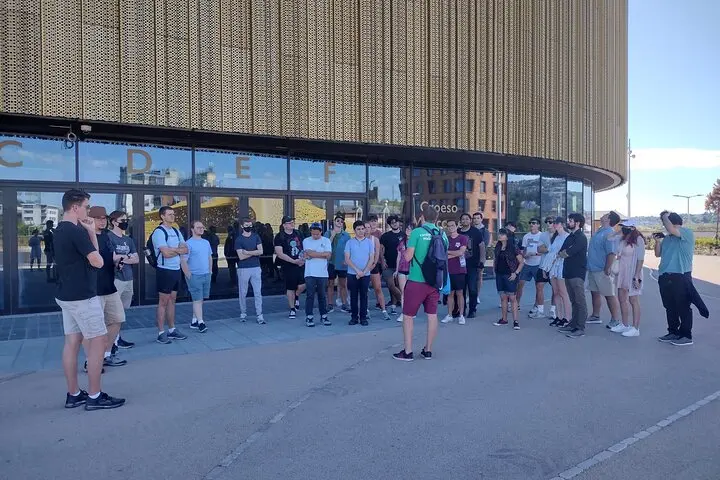
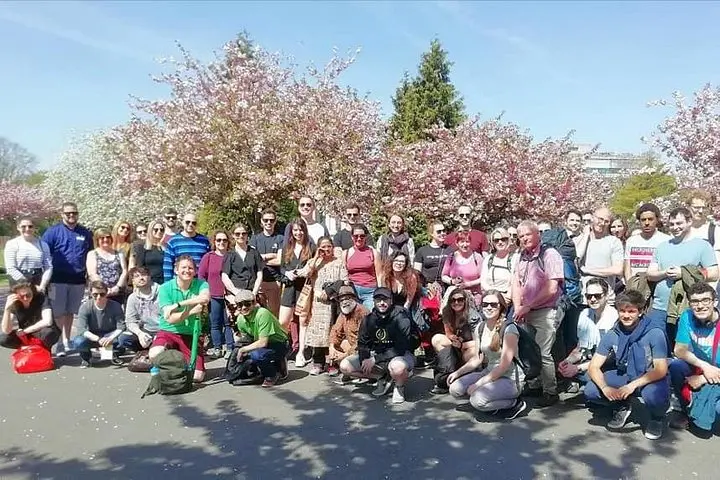
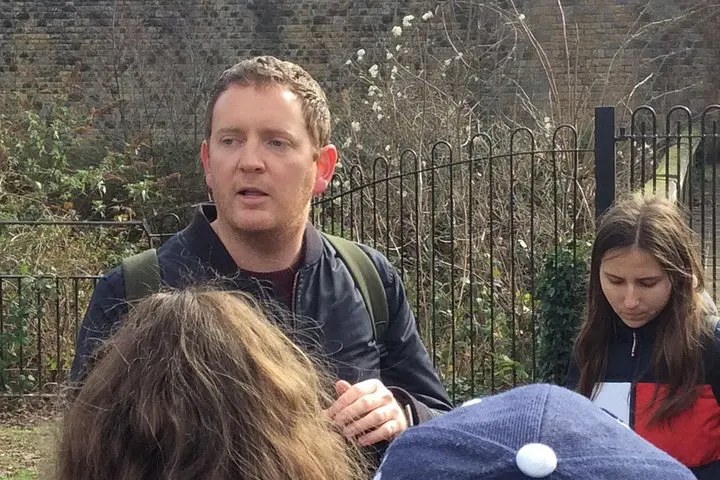
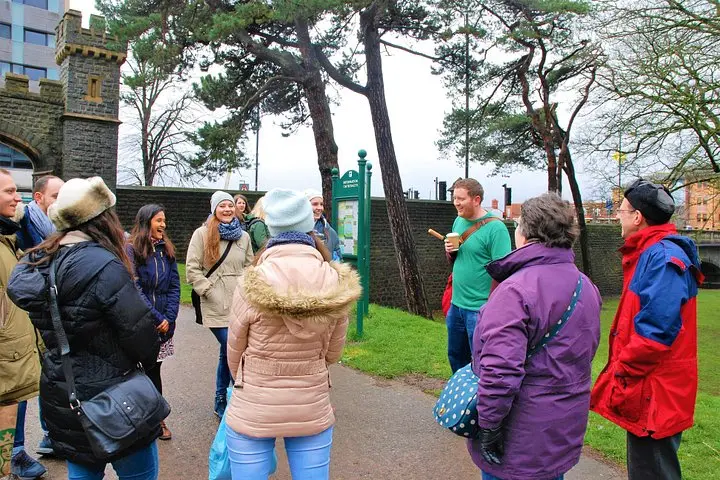
You step out onto the waterfront and the bay pushes its presence toward the city — Swansea Bay's wide curve brings a sense of space right into the urban center. The tour begins at the old docklands where cranes once shaped fortunes; now cafés and galleries share the quays with moored yachts, and the guide threads stories into the stone and brick.
You step out onto the waterfront and the bay pushes its presence toward the city — Swansea Bay's wide curve brings a sense of space right into the urban center. The tour begins at the old docklands where cranes once shaped fortunes; now cafés and galleries share the quays with moored yachts, and the guide threads stories into the stone and brick.
Swansea's story is compact and layered: a name of Norse origin given shape by Norman fortification, then expanded through the copper-smelting boom of the 18th century and reshaped by the industrial revolution. WWII bombing and post-industrial decline altered neighborhoods, but the city's civic life rebounded around culture and the sea. Geologically, the bay is a broad ria cut by rising sea levels after the last ice age; the shoreline you pass was repeatedly remade by tides and reclamation.
You'll pause at Swansea Museum — Wales' oldest — and at the Dylan Thomas museum to hear how local life informed his work. The market, the central city beach, the modern arena and the quirky Copr Bridge provide contrasts that explain the city's character: pragmatic, resilient, and curious.
Practical guidance: the tour runs roughly two hours and is fully wheelchair and stroller accessible. Wear comfortable shoes; surfaces include paved promenades and cobbled lanes. Check museum opening times if you hope to enter — the itinerary may note time-sensitive stops. Public transport serves central pick-up points and the private-guide format allows a steady, conversational pace. Bring a light rain layer and a charged phone for photos — the changing light over the bay is unpredictable and worth catching.