THE ADVENTURE COLLECTIVE® · Independent discovery and booking for outdoor travel

Walk Sweet Auburn with a local guide and sample market tastings while learning why this corridor earned the nickname "the richest Negro street in America." This 4–5 hour, accessible walking tour combines food, civil-rights history and local culture.
Walk Sweet Auburn with a local guide and sample market tastings while learning why this corridor earned the nickname "the richest Negro street in America." This 4–5 hour, accessible walking tour combines food, civil-rights history and local culture.
The tour begins on the steps of the Auburn Avenue Research Library, sunlight catching the old brick and the distant hum of the city folding into conversation. You move through a neighborhood where storefronts, market stalls and memorials press close—each doorway an invitation to a past that shaped modern Atlanta.
Verified experiences and guided adventures in the surrounding area.
Operated by Rue La La Day Tours and Excursions · Atlanta, Georgia
The tour begins on the steps of the Auburn Avenue Research Library, sunlight catching the old brick and the distant hum of the city folding into conversation. You move through a neighborhood where storefronts, market stalls and memorials press close—each doorway an invitation to a past that shaped modern Atlanta.
Sweet Auburn was once called "the richest Negro street in America"; its story is civic and cultural, threaded with Black entrepreneurship, civil-rights strategy and the birthplace of iconic leaders. Geologically the district sits on Atlanta’s Piedmont slopes—red clay and granite foundations that support streets where markets and churches still set the rhythm of daily life.
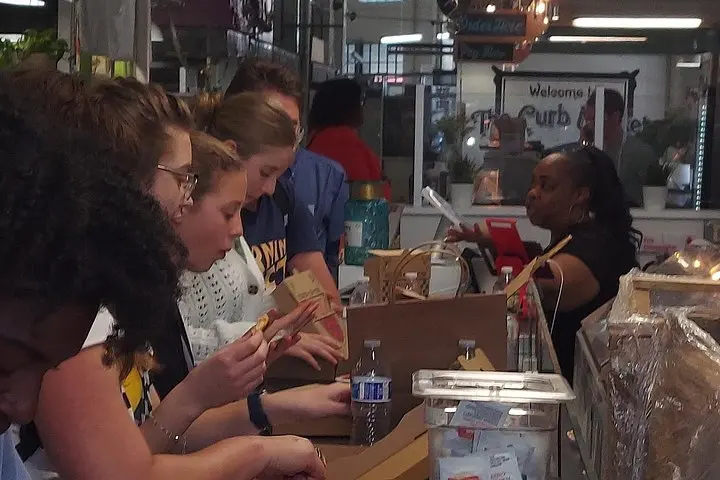
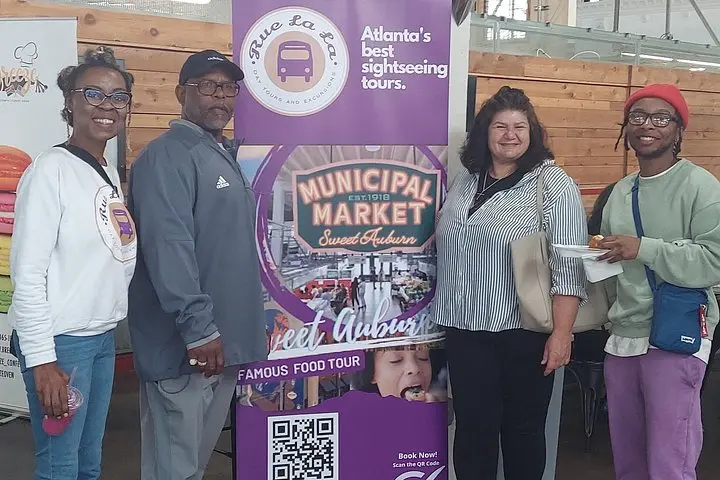
You’ll stop at the Municipal Market (Sweet Auburn Curb Market) for tastings that illustrate waves of culinary influence—soul food classics, bakeries and spice-forward vendors—while guides point out buildings, the APEX Museum and plaques marking significant firsts. The tour balances food with context: the role of Auburn in the Great Migration, Black business networks, and the preservation efforts that protect surviving façades.
Practical guidance comes next: expect 3.5–4.5 hours of mostly flat walking on sidewalks and market floors; comfortable shoes and a refillable water bottle make the day easier. If the APEX Museum is included, it may shorten walking time and requires separate admission on some days. The route is wheelchair accessible, with frequent stops for tasting and interpretation. Bring a light layer for cooler mornings, sun protection in summer, and the curiosity to let streets and stalls speak—this is a neighborhood that still talks back.
Yes—multiple tastings and one beverage are included; portion sizes are tasting-sized to allow several stops.
Yes—the tour and the Municipal Market are wheelchair accessible with mostly flat sidewalks and ramped entrances.
APEX admission is separate in some itineraries; when included on the schedule it may change the total tour time—check with the operator for that day's plan.
All sales are final for this tour; there are no refunds for cancellations, and the operator may cancel in bad weather.
Rue La La Day Tours and Excursions operates guided outdoor trips and adventures with an emphasis on safety, stewardship, and memorable experiences.


The tour begins on the steps of the Auburn Avenue Research Library, sunlight catching the old brick and the distant hum of the city folding into conversation. You move through a neighborhood where storefronts, market stalls and memorials press close—each doorway an invitation to a past that shaped modern Atlanta.
The tour begins on the steps of the Auburn Avenue Research Library, sunlight catching the old brick and the distant hum of the city folding into conversation. You move through a neighborhood where storefronts, market stalls and memorials press close—each doorway an invitation to a past that shaped modern Atlanta.
Sweet Auburn was once called "the richest Negro street in America"; its story is civic and cultural, threaded with Black entrepreneurship, civil-rights strategy and the birthplace of iconic leaders. Geologically the district sits on Atlanta’s Piedmont slopes—red clay and granite foundations that support streets where markets and churches still set the rhythm of daily life.
You’ll stop at the Municipal Market (Sweet Auburn Curb Market) for tastings that illustrate waves of culinary influence—soul food classics, bakeries and spice-forward vendors—while guides point out buildings, the APEX Museum and plaques marking significant firsts. The tour balances food with context: the role of Auburn in the Great Migration, Black business networks, and the preservation efforts that protect surviving façades.
Practical guidance comes next: expect 3.5–4.5 hours of mostly flat walking on sidewalks and market floors; comfortable shoes and a refillable water bottle make the day easier. If the APEX Museum is included, it may shorten walking time and requires separate admission on some days. The route is wheelchair accessible, with frequent stops for tasting and interpretation. Bring a light layer for cooler mornings, sun protection in summer, and the curiosity to let streets and stalls speak—this is a neighborhood that still talks back.