THE ADVENTURE COLLECTIVE® · Independent discovery and booking for outdoor travel

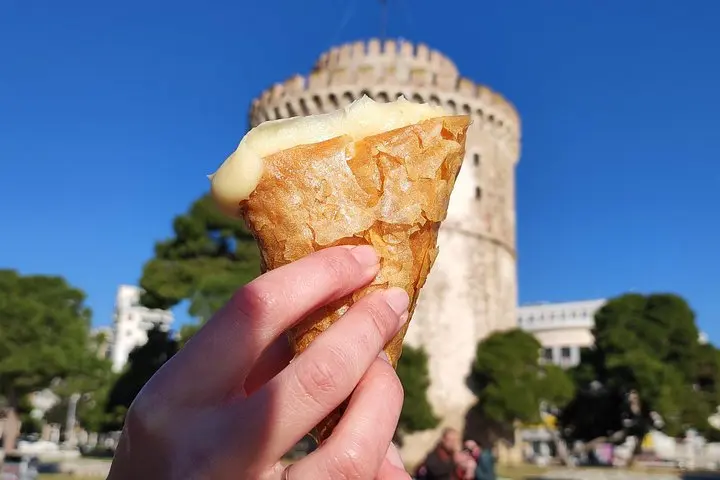
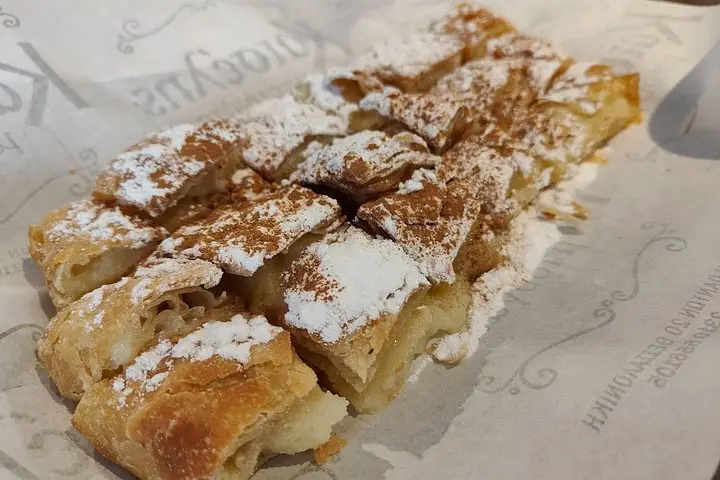
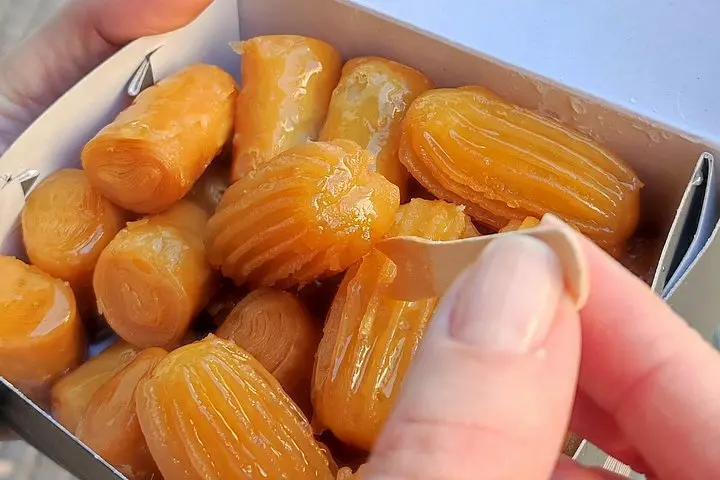
Taste Thessaloniki’s sweet side on a two-hour guided walking tour through Modiano and Kapani markets. Sample bougatsa, kataifi and local coffees while a local guide explains the city’s culinary history and hidden pastry spots.
Taste Thessaloniki’s sweet side on a two-hour guided walking tour through Modiano and Kapani markets. Sample bougatsa, kataifi and local coffees while a local guide explains the city’s culinary history and hidden pastry spots.
A late-afternoon walk through Thessaloniki’s Old Market begins with the smell of butter and syrup hanging in the narrow alleys — warm bougatsa puffing beside trays of kataifi, and small kafeneia humming with conversation.
Verified experiences and guided adventures in the surrounding area.
Operated by Thessaloniki Food Tours · Thessaloniki, Central Macedonia
A late-afternoon walk through Thessaloniki’s Old Market begins with the smell of butter and syrup hanging in the narrow alleys — warm bougatsa puffing beside trays of kataifi, and small kafeneia humming with conversation.
This two-hour, English-speaking walking tour threads through Kapani (Modiano) and nearby pastry shops, stopping at family-run counters where locals queue for cheese pies, cream-filled pastries and spoon-sweet preserves. Thessaloniki’s sweets are a map of its history: Ottoman and Balkan influences layered with Sephardic Jewish and Mediterranean flavors, visible in flaky textures, rosewater notes and dense semolina creams.
Geology and climate matter here too; the city’s coastal position on the Thermaic Gulf brings humidity that keeps phyllo crispier earlier in the day, while local citrus from nearby orchards flavors many confections. Guides pair tastings with compact cultural context — why a particular pastry rose to prominence, how markets shaped neighborhood life, and where residents stop for a late-morning treat.
Practical guidance: arrive hungry but not starving, wear comfortable walking shoes for cobbled streets, and carry a small daypack for purchases. Tours are stroller- and wheelchair-accessible on most stretches, but some older market alleys are uneven. Hydrate between samples and tell your guide about allergies: many sweets contain nuts and dairy. For the best texture, taste baked items soon after purchase and save syruped desserts for the end. This is less a workout and more a sensory expedition through Thessaloniki’s culinary backbone — brief, social and richly local.
Yes — the tour includes several sweet samples and small coffees at selected shops; larger purchases are extra.
Yes; the route is stroller-accessible on most stretches, though some market alleys have uneven pavement—parents should be prepared for short lifts.
You can — note allergies or dietary needs at booking and remind your guide before tastings; some items may not have safe alternatives.
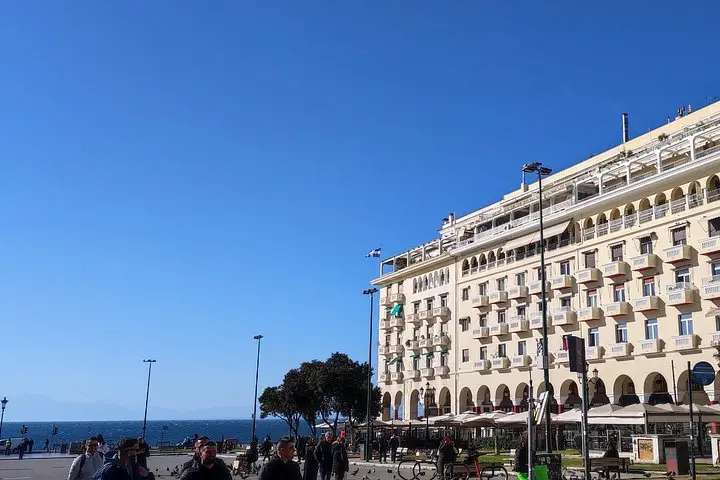
Tours typically start near Modiano/Kapani Market in central Thessaloniki, reachable by tram, bus or a short walk from Aristotelous Square; check your confirmation for the exact meeting point.
Thessaloniki Food Tours operates guided outdoor trips and adventures with an emphasis on safety, stewardship, and memorable experiences.
A late-afternoon walk through Thessaloniki’s Old Market begins with the smell of butter and syrup hanging in the narrow alleys — warm bougatsa puffing beside trays of kataifi, and small kafeneia humming with conversation.
A late-afternoon walk through Thessaloniki’s Old Market begins with the smell of butter and syrup hanging in the narrow alleys — warm bougatsa puffing beside trays of kataifi, and small kafeneia humming with conversation.
This two-hour, English-speaking walking tour threads through Kapani (Modiano) and nearby pastry shops, stopping at family-run counters where locals queue for cheese pies, cream-filled pastries and spoon-sweet preserves. Thessaloniki’s sweets are a map of its history: Ottoman and Balkan influences layered with Sephardic Jewish and Mediterranean flavors, visible in flaky textures, rosewater notes and dense semolina creams.
Geology and climate matter here too; the city’s coastal position on the Thermaic Gulf brings humidity that keeps phyllo crispier earlier in the day, while local citrus from nearby orchards flavors many confections. Guides pair tastings with compact cultural context — why a particular pastry rose to prominence, how markets shaped neighborhood life, and where residents stop for a late-morning treat.
Practical guidance: arrive hungry but not starving, wear comfortable walking shoes for cobbled streets, and carry a small daypack for purchases. Tours are stroller- and wheelchair-accessible on most stretches, but some older market alleys are uneven. Hydrate between samples and tell your guide about allergies: many sweets contain nuts and dairy. For the best texture, taste baked items soon after purchase and save syruped desserts for the end. This is less a workout and more a sensory expedition through Thessaloniki’s culinary backbone — brief, social and richly local.