THE ADVENTURE COLLECTIVE® · Independent discovery and booking for outdoor travel

Head offshore from Horta to swim with curious blue sharks in the nutrient-rich waters around Faial Island. Small groups, expert guides, and a mix of snorkeling and optional freediving make this a responsible, up-close pelagic encounter.
Head offshore from Horta to swim with curious blue sharks in the nutrient-rich waters around Faial Island. Small groups, expert guides, and a mix of snorkeling and optional freediving make this a responsible, up-close pelagic encounter.
A pale Atlantic dawn breaks over Horta as the skiff slips out of the harbour, engines low and the harbor’s paint-streaked hulls fading behind you. Sea spray cools the face and, a few miles offshore, the water changes from green to a deep, metallic blue; it’s here that the sharks patrol. Blue sharks often cruise at the surface, curious and deliberate, their approach measured rather than menacing — you enter their world with a snorkel, not a cage.
Verified experiences and guided adventures in the surrounding area.
Operated by Go Shark Azores · Horta, Azores
A pale Atlantic dawn breaks over Horta as the skiff slips out of the harbour, engines low and the harbor’s paint-streaked hulls fading behind you. Sea spray cools the face and, a few miles offshore, the water changes from green to a deep, metallic blue; it’s here that the sharks patrol. Blue sharks often cruise at the surface, curious and deliberate, their approach measured rather than menacing — you enter their world with a snorkel, not a cage.
The Azores sit on the Mid-Atlantic Ridge, islands shaped by volcanic eruptions and ocean currents that funnel pelagic species through nutrient-rich crossings. Faial’s maritime history runs from whaling and transatlantic stopovers to modern marine science; local guides now pair traditional seamanship with conservation-minded practices.
Expect a 3–5 hour outing: a shore briefing and warm-up snorkel, then a 30–60 minute run offshore and a patient wait while guides use controlled chumming to attract sharks. Interaction windows are typically 30–45 minutes; free-divers can access deeper vertical lines. The trip is small-group (max six) to limit disturbance.
Practical tips: wear an appropriate wetsuit, use reef-safe sunscreen, and bring motion-sickness remedies if you’re prone. Listen closely to the guide’s behavior brief — stillness and calm are your best tools. Weather dictates departures; if seas are rough the operator will reschedule or refund. For travelers who want a vivid, responsibly run close encounter with pelagic sharks, this is a rare, educational way to meet one of the ocean’s most graceful hunters.
Yes—blue sharks are generally curious and not aggressive toward humans; professional guides use protocols to minimize risk and keep interactions controlled.
Blue sharks often approach within a few meters at the surface; guides brief participants on how to remain still and calm to allow close but non-contact observation.
Basic swimming and comfort in open water are required; certified free-divers can access deeper lines, but snorkeling-only participants need only basic skills.
Operators cancel or reschedule in unsafe sea conditions; cancellation policies typically allow full refunds if called off for weather or insufficient participants.
Go Shark Azores operates guided outdoor trips and adventures with an emphasis on safety, stewardship, and memorable experiences.
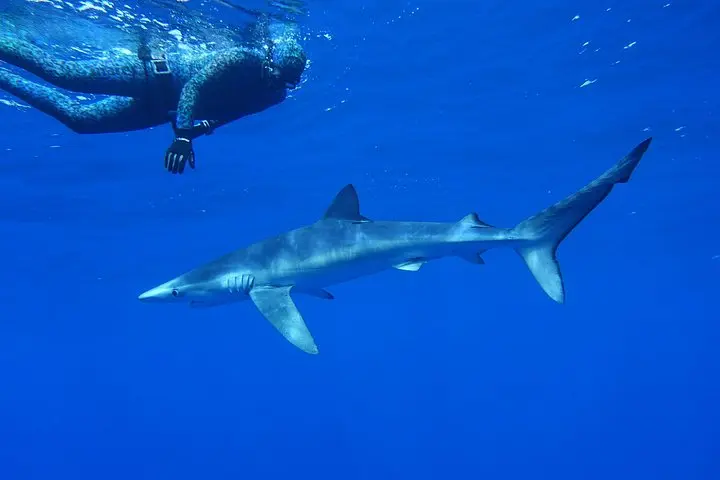
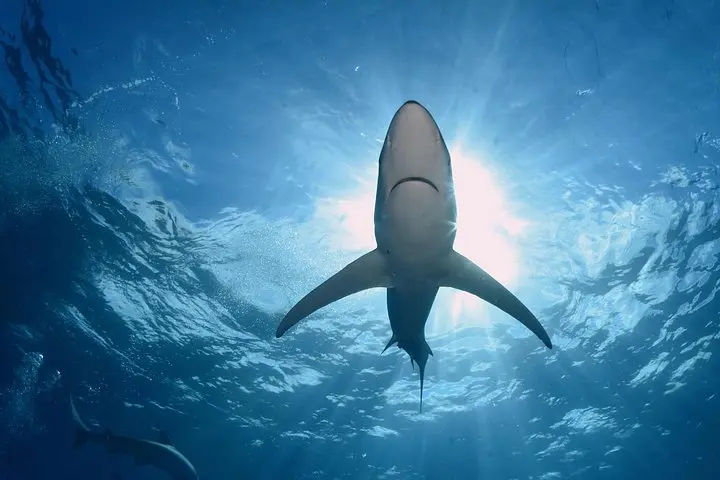
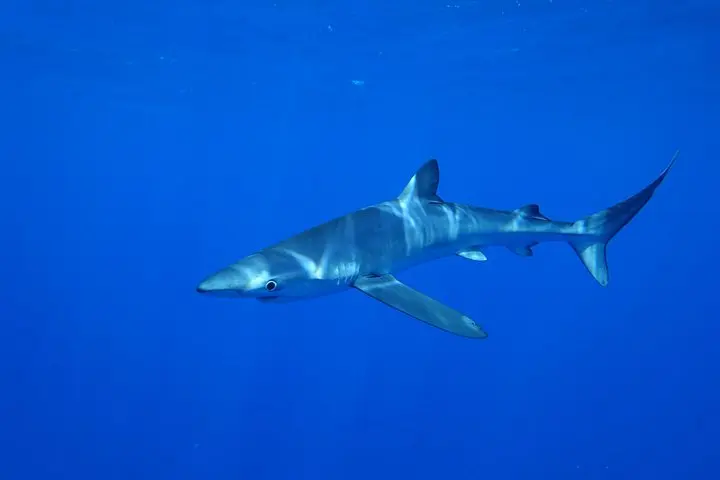
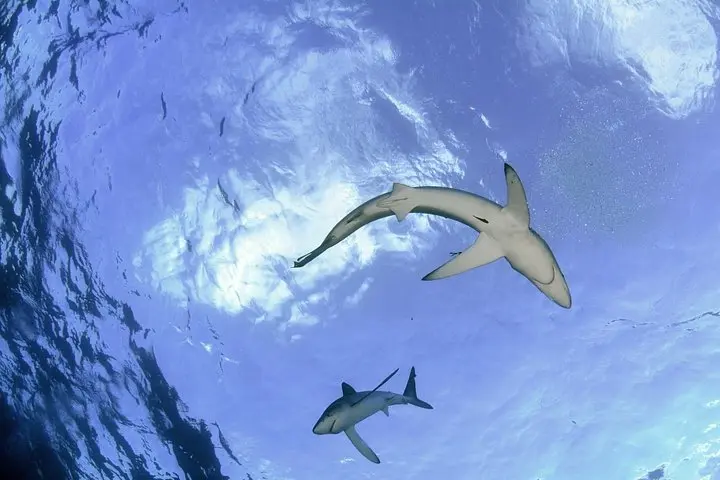
A pale Atlantic dawn breaks over Horta as the skiff slips out of the harbour, engines low and the harbor’s paint-streaked hulls fading behind you. Sea spray cools the face and, a few miles offshore, the water changes from green to a deep, metallic blue; it’s here that the sharks patrol. Blue sharks often cruise at the surface, curious and deliberate, their approach measured rather than menacing — you enter their world with a snorkel, not a cage.
A pale Atlantic dawn breaks over Horta as the skiff slips out of the harbour, engines low and the harbor’s paint-streaked hulls fading behind you. Sea spray cools the face and, a few miles offshore, the water changes from green to a deep, metallic blue; it’s here that the sharks patrol. Blue sharks often cruise at the surface, curious and deliberate, their approach measured rather than menacing — you enter their world with a snorkel, not a cage.
The Azores sit on the Mid-Atlantic Ridge, islands shaped by volcanic eruptions and ocean currents that funnel pelagic species through nutrient-rich crossings. Faial’s maritime history runs from whaling and transatlantic stopovers to modern marine science; local guides now pair traditional seamanship with conservation-minded practices.
Expect a 3–5 hour outing: a shore briefing and warm-up snorkel, then a 30–60 minute run offshore and a patient wait while guides use controlled chumming to attract sharks. Interaction windows are typically 30–45 minutes; free-divers can access deeper vertical lines. The trip is small-group (max six) to limit disturbance.
Practical tips: wear an appropriate wetsuit, use reef-safe sunscreen, and bring motion-sickness remedies if you’re prone. Listen closely to the guide’s behavior brief — stillness and calm are your best tools. Weather dictates departures; if seas are rough the operator will reschedule or refund. For travelers who want a vivid, responsibly run close encounter with pelagic sharks, this is a rare, educational way to meet one of the ocean’s most graceful hunters.