THE ADVENTURE COLLECTIVE® · Independent discovery and booking for outdoor travel

Board a small skiff off Moorea’s lagoon for a controlled, conservation-focused half-day encounter with migrating humpback whales. Small groups, guided swims, and strict approach rules make this a high-impact marine experience without compromising animal welfare.
Board a small skiff off Moorea’s lagoon for a controlled, conservation-focused half-day encounter with migrating humpback whales. Small groups, guided swims, and strict approach rules make this a high-impact marine experience without compromising animal welfare.
The boat slips off the reef and the lagoon exhales: clear blue opening into deep water where humpbacks travel. In Moorea, a half-day with KoaBoatTour places guests on a small, licensed skiff that seeks whales under strict approach rules. Guides brief the group before departure; equipment is loaded and the engine purrs down to a respectful distance as the first blow appears on the horizon.
Verified experiences and guided adventures in the surrounding area.
Operated by Koaboattour · Maharepa, Îles du Vent (Society Islands)
The boat slips off the reef and the lagoon exhales: clear blue opening into deep water where humpbacks travel. In Moorea, a half-day with KoaBoatTour places guests on a small, licensed skiff that seeks whales under strict approach rules. Guides brief the group before departure; equipment is loaded and the engine purrs down to a respectful distance as the first blow appears on the horizon.
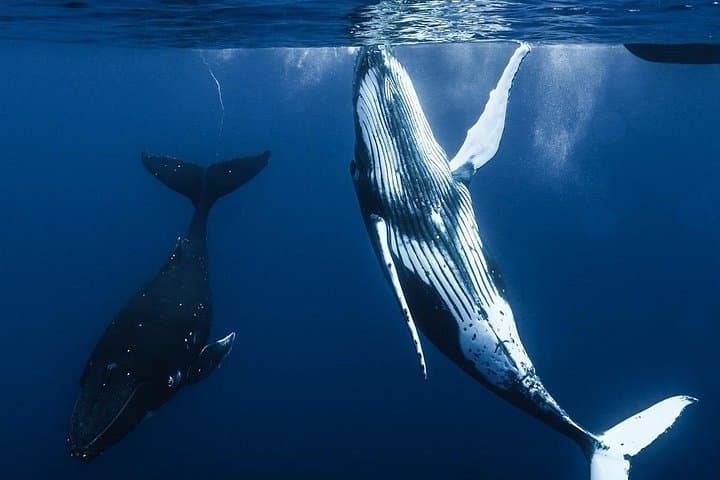
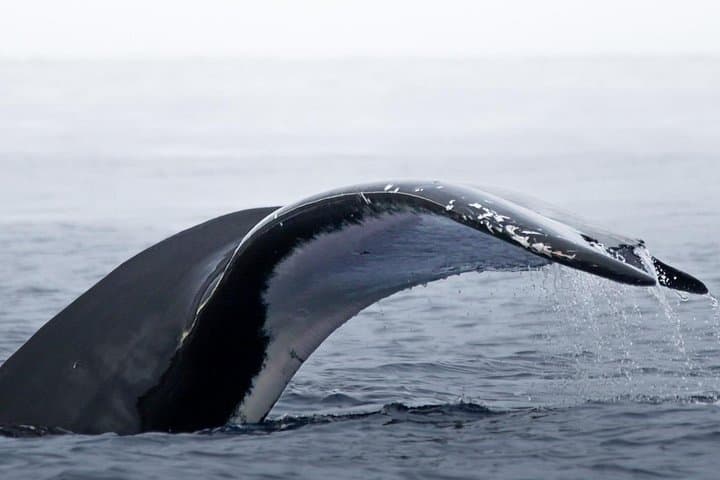
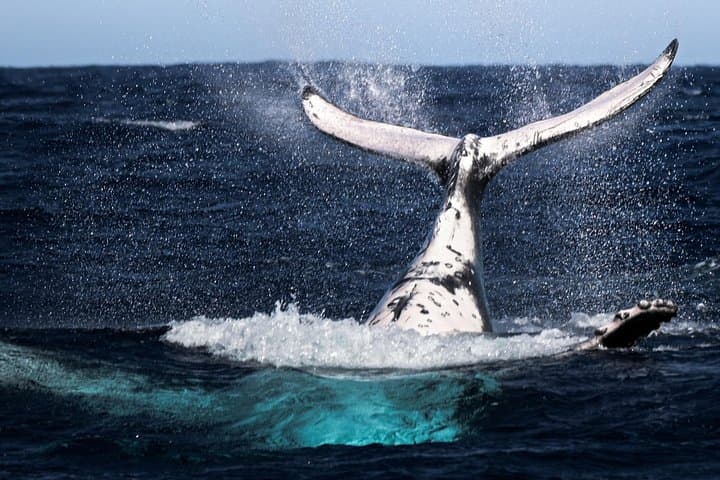
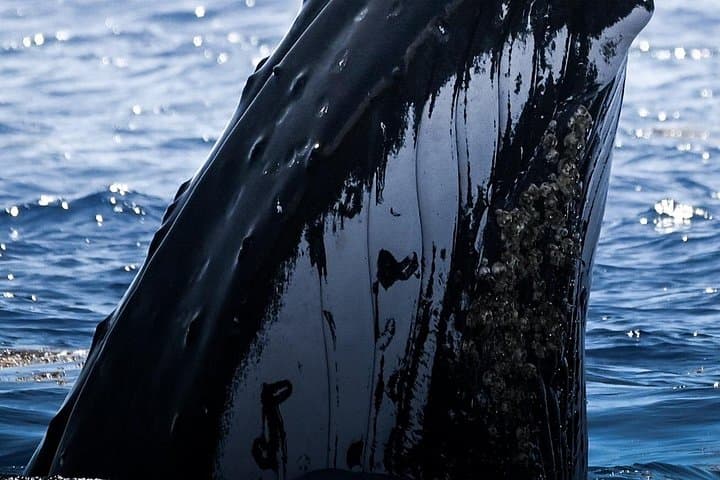
Moorea sits on volcanic foundations carved 2–3 million years ago; its steep inner slopes drop quickly to a protective lagoon that funnels marine life. Polynesian voyagers have long read these currents; today local guides blend traditional knowledge with modern marine science to locate migrating humpbacks (Megaptera novaeangliae) that visit French Polynesia each southern winter to mate and calve. Encounters emphasize observation first — the swim element is controlled, brief, and restricted to small groups to reduce stress on the whales.
Practically, expect 4 hours total: briefing, transit, wait time, and up to a few short swims in the boat’s immediate area. Snorkel gear and life jackets are provided; participants should be comfortable in open water and able to follow a guide’s signals. Dress for sun, salt, and quick changes: reef-safe sunscreen, a snug mask, and a wetskin if you get cold. Weather can shift fast; operators will cancel if conditions threaten animal welfare or safety. Photographers should use waterproof housings and keep distance optics ready — the best shots are often from the boat.
This outing blends awe with responsibility: you’ll watch one of the ocean’s largest mammals move through island waters, while being asked to protect their calm and habitat.
Humpbacks most commonly visit French Polynesia between July and November, with peak encounters typically August–October.
Swims are offered only when conditions and whale behavior permit; operators prioritize welfare and may limit or cancel swims if animals show disturbance.
Small children may ride but swims require a minimum level of swimming comfort; operators set age and fitness guidelines — check during booking.
Most operators offer full refunds or rescheduling if trips are canceled due to weather or to protect whales; confirm the policy at booking.
Koaboattour operates guided outdoor trips and adventures with an emphasis on safety, stewardship, and memorable experiences.
The boat slips off the reef and the lagoon exhales: clear blue opening into deep water where humpbacks travel. In Moorea, a half-day with KoaBoatTour places guests on a small, licensed skiff that seeks whales under strict approach rules. Guides brief the group before departure; equipment is loaded and the engine purrs down to a respectful distance as the first blow appears on the horizon.
The boat slips off the reef and the lagoon exhales: clear blue opening into deep water where humpbacks travel. In Moorea, a half-day with KoaBoatTour places guests on a small, licensed skiff that seeks whales under strict approach rules. Guides brief the group before departure; equipment is loaded and the engine purrs down to a respectful distance as the first blow appears on the horizon.
Moorea sits on volcanic foundations carved 2–3 million years ago; its steep inner slopes drop quickly to a protective lagoon that funnels marine life. Polynesian voyagers have long read these currents; today local guides blend traditional knowledge with modern marine science to locate migrating humpbacks (Megaptera novaeangliae) that visit French Polynesia each southern winter to mate and calve. Encounters emphasize observation first — the swim element is controlled, brief, and restricted to small groups to reduce stress on the whales.
Practically, expect 4 hours total: briefing, transit, wait time, and up to a few short swims in the boat’s immediate area. Snorkel gear and life jackets are provided; participants should be comfortable in open water and able to follow a guide’s signals. Dress for sun, salt, and quick changes: reef-safe sunscreen, a snug mask, and a wetskin if you get cold. Weather can shift fast; operators will cancel if conditions threaten animal welfare or safety. Photographers should use waterproof housings and keep distance optics ready — the best shots are often from the boat.
This outing blends awe with responsibility: you’ll watch one of the ocean’s largest mammals move through island waters, while being asked to protect their calm and habitat.