THE ADVENTURE COLLECTIVE® · Independent discovery and booking for outdoor travel

Float beside gentle green sea turtles in the warm Caribbean and then slip into an underground cenote to swim among stalactites. This combined half‑day tour pairs easy snorkeling over the Mesoamerican Reef with a cool, geological encounter in a Yucatán cave.
Float beside gentle green sea turtles in the warm Caribbean and then slip into an underground cenote to swim among stalactites. This combined half‑day tour pairs easy snorkeling over the Mesoamerican Reef with a cool, geological encounter in a Yucatán cave.
The morning light skims the Caribbean, and you step off a soft sand beach into water that moves like slow glass. Sea grass beds sway and a green sea turtle lifts a flipper, unbothered, as you float and watch; the reef hums with parrotfish and jewelfish while the current nudges you along the edge of Akumal Bay.
Verified experiences and guided adventures in the surrounding area.
Operated by Guat2do Travel Experiences · Akumal, Quintana Roo
The morning light skims the Caribbean, and you step off a soft sand beach into water that moves like slow glass. Sea grass beds sway and a green sea turtle lifts a flipper, unbothered, as you float and watch; the reef hums with parrotfish and jewelfish while the current nudges you along the edge of Akumal Bay.
Akumal—meaning "Land of Turtles" in Mayan—sits on the northern edge of the Yucatán karst plain. The same limestone that channels rainwater into underground rivers sculpted the cenotes: collapsed caves where sunlight spills in and stalactites hold dripping history. The Maya considered cenotes portals to the underworld and sources of freshwater; today they are fragile archaeological and hydrological features that reveal the peninsula’s geology and cultural layers.
On a combined tour, expect guided snorkeling over shallow reef (stay off the coral), followed by a swim in a nearby cenote where cool, clear water and speleothems create a cathedral of stone and shadow. Guides typically supply snorkel gear, life vests, and a light lunch; routes may be reversed depending on logistics.
Practical edge: match your pace to the turtles—no chasing, no touching. Use reef‑safe sunscreen, bring a secure mask, and carry a change of clothes. Plan for 6 hours, moderate sun, and variable visibility; morning departures often offer calmer water and better light in the cenote. Leave room for slow observation—this is an experience measured in breaths and steady strokes, not speed.
Sightings are common in Akumal’s turtle feeding grounds but not guaranteed—animals are wild and sightings depend on season, time of day, and conditions.
Yes—tour operators typically supply snorkels, masks, and life vests; bringing a personal mask can improve comfort and fit.
Cenotes used on guided tours are generally safe with life vests and supervision; follow your guide’s instructions about diving, boat entry, and restricted zones.
Use only biodegradable sunscreen, avoid touching coral or wildlife, don't leave trash, and follow local guide instructions—support local conservation fees if offered.
Guat2do Travel Experiences operates guided outdoor trips and adventures with an emphasis on safety, stewardship, and memorable experiences.
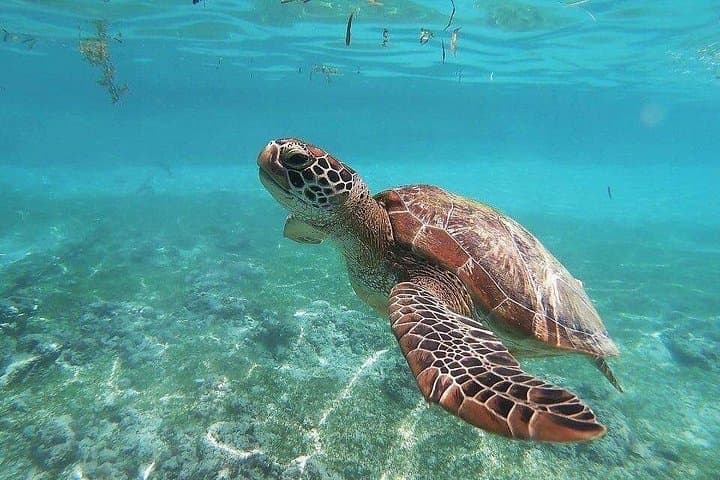


The morning light skims the Caribbean, and you step off a soft sand beach into water that moves like slow glass. Sea grass beds sway and a green sea turtle lifts a flipper, unbothered, as you float and watch; the reef hums with parrotfish and jewelfish while the current nudges you along the edge of Akumal Bay.
The morning light skims the Caribbean, and you step off a soft sand beach into water that moves like slow glass. Sea grass beds sway and a green sea turtle lifts a flipper, unbothered, as you float and watch; the reef hums with parrotfish and jewelfish while the current nudges you along the edge of Akumal Bay.
Akumal—meaning "Land of Turtles" in Mayan—sits on the northern edge of the Yucatán karst plain. The same limestone that channels rainwater into underground rivers sculpted the cenotes: collapsed caves where sunlight spills in and stalactites hold dripping history. The Maya considered cenotes portals to the underworld and sources of freshwater; today they are fragile archaeological and hydrological features that reveal the peninsula’s geology and cultural layers.
On a combined tour, expect guided snorkeling over shallow reef (stay off the coral), followed by a swim in a nearby cenote where cool, clear water and speleothems create a cathedral of stone and shadow. Guides typically supply snorkel gear, life vests, and a light lunch; routes may be reversed depending on logistics.
Practical edge: match your pace to the turtles—no chasing, no touching. Use reef‑safe sunscreen, bring a secure mask, and carry a change of clothes. Plan for 6 hours, moderate sun, and variable visibility; morning departures often offer calmer water and better light in the cenote. Leave room for slow observation—this is an experience measured in breaths and steady strokes, not speed.