THE ADVENTURE COLLECTIVE® · Independent discovery and booking for outdoor travel

Board a research-led shark tour from Haleiwa and learn shark behavior, safety, and conservation while snorkeling with experts. This two-hour experience blends science, culture, and close-but-respectful shark encounters off Oʻahu’s North Shore.
Board a research-led shark tour from Haleiwa and learn shark behavior, safety, and conservation while snorkeling with experts. This two-hour experience blends science, culture, and close-but-respectful shark encounters off Oʻahu’s North Shore.
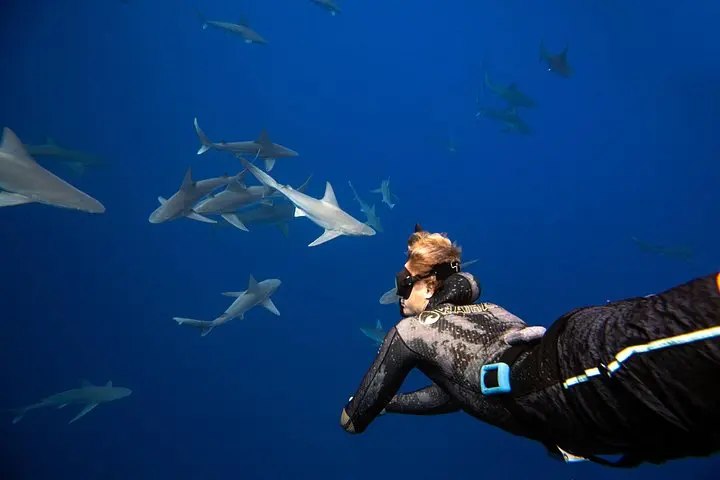
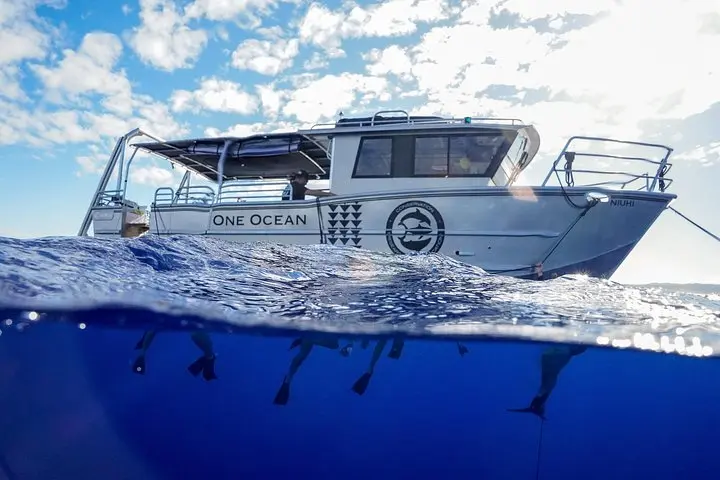
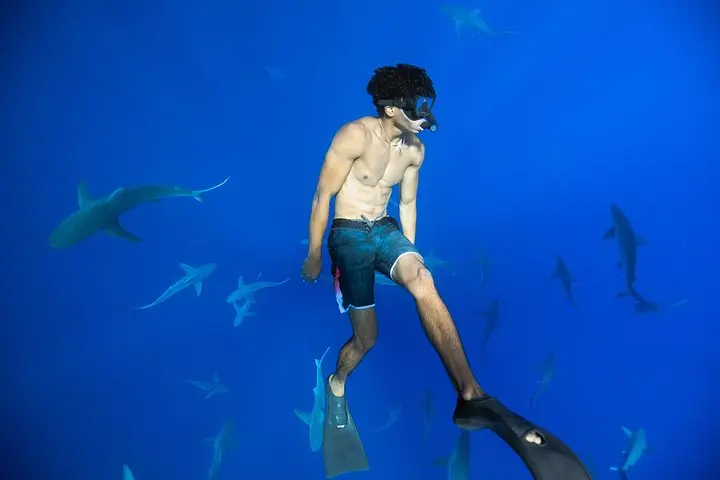
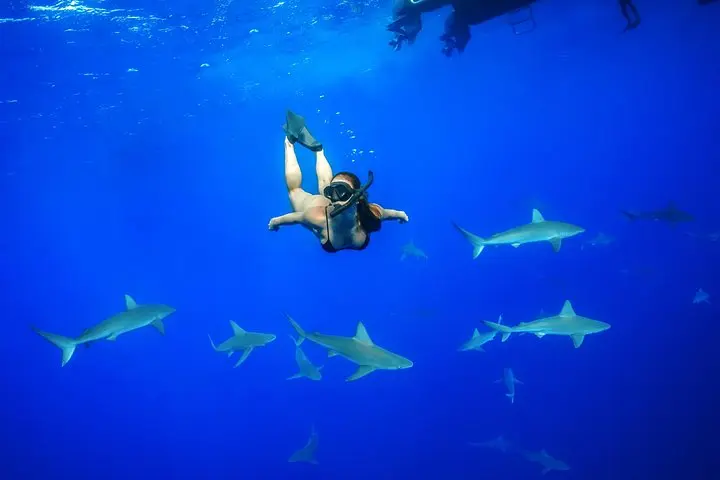
The boat slips away from Haleiwa’s commercial dock and the Pacific opens like a hallway carved by current. Salted breeze pushes the hull; the island’s basalt shoulders line the horizon. Onboard, a marine biologist briefs the group — not a showman’s pitch but a lesson: shark senses, Hawaiian shark history, and strict safety protocols. When you enter the water, sharks, curious and purposeful, glide through blue like ancient machinery checking their world.
Verified experiences and guided adventures in the surrounding area.
Operated by One Ocean Diving · Haleiwa, Hawaii
The boat slips away from Haleiwa’s commercial dock and the Pacific opens like a hallway carved by current. Salted breeze pushes the hull; the island’s basalt shoulders line the horizon. Onboard, a marine biologist briefs the group — not a showman’s pitch but a lesson: shark senses, Hawaiian shark history, and strict safety protocols. When you enter the water, sharks, curious and purposeful, glide through blue like ancient machinery checking their world.
Hawaii’s reefs are young on a geologic timescale, built from lava flows and coral growth around volcanic islands. Sharks have long played a cultural role in Hawaiian life—ʻaumakua (ancestral guardians) and vital predators that shape reef health. This tour was developed by leading researchers and emphasizes passive, non-invasive encounters and data collection, reflecting both modern science and island respect for marine life.
Expect a 30-minute classroom-style briefing, roughly one hour in-water snorkeling or swimming near shark aggregations, then a debrief returning to Haleiwa. The water can be choppy; guides enter first and exit last and issue rash guards, fins, masks, and snorkeling instruction. The focus is observation and learning rather than touching or baiting; participants may assist with simple research tasks under supervision.
Practical tips: arrive with reef-safe sunscreen, a towel, and a waterproof camera if you want shots. If you’re uneasy in open water, mention it — guides adapt the experience. Bookings often fill on weekends and mornings; weather and sea state determine go/no-go. This trip is an opportunity to see apex predators up close while supporting conservation-minded science.
No — the tour is a snorkel/swim experience guided by marine biologists; basic snorkeling ability is sufficient.
The company practices passive, respectful encounters and does not use chumming to create aggressive behavior; they follow strict protocols.
Children may participate but must be able to swim and follow instructions; check age limits with the operator and notify them of any special needs.
Trips are canceled for unsafe sea conditions with refunds available if canceled at least 24 hours before departure; the operator may adjust timing for sea state.
One Ocean Diving operates guided outdoor trips and adventures with an emphasis on safety, stewardship, and memorable experiences.
The boat slips away from Haleiwa’s commercial dock and the Pacific opens like a hallway carved by current. Salted breeze pushes the hull; the island’s basalt shoulders line the horizon. Onboard, a marine biologist briefs the group — not a showman’s pitch but a lesson: shark senses, Hawaiian shark history, and strict safety protocols. When you enter the water, sharks, curious and purposeful, glide through blue like ancient machinery checking their world.
The boat slips away from Haleiwa’s commercial dock and the Pacific opens like a hallway carved by current. Salted breeze pushes the hull; the island’s basalt shoulders line the horizon. Onboard, a marine biologist briefs the group — not a showman’s pitch but a lesson: shark senses, Hawaiian shark history, and strict safety protocols. When you enter the water, sharks, curious and purposeful, glide through blue like ancient machinery checking their world.
Hawaii’s reefs are young on a geologic timescale, built from lava flows and coral growth around volcanic islands. Sharks have long played a cultural role in Hawaiian life—ʻaumakua (ancestral guardians) and vital predators that shape reef health. This tour was developed by leading researchers and emphasizes passive, non-invasive encounters and data collection, reflecting both modern science and island respect for marine life.
Expect a 30-minute classroom-style briefing, roughly one hour in-water snorkeling or swimming near shark aggregations, then a debrief returning to Haleiwa. The water can be choppy; guides enter first and exit last and issue rash guards, fins, masks, and snorkeling instruction. The focus is observation and learning rather than touching or baiting; participants may assist with simple research tasks under supervision.
Practical tips: arrive with reef-safe sunscreen, a towel, and a waterproof camera if you want shots. If you’re uneasy in open water, mention it — guides adapt the experience. Bookings often fill on weekends and mornings; weather and sea state determine go/no-go. This trip is an opportunity to see apex predators up close while supporting conservation-minded science.