THE ADVENTURE COLLECTIVE® · Independent discovery and booking for outdoor travel

Join a half-day departure from Cancún to swim alongside whale sharks near Isla Contoy. This guided snorkeling expedition includes 2–3 swims, life vests, snorkeling gear, and a post-swim ceviche on board.
Join a half-day departure from Cancún to swim alongside whale sharks near Isla Contoy. This guided snorkeling expedition includes 2–3 swims, life vests, snorkeling gear, and a post-swim ceviche on board.
You step onto a low-profile speedboat as salty breeze pulls sharp against your shirt; the Caribbean around Isla Contoy spreads blue and green, and the sea seems to be holding its breath. Guides scan an expanse roughly 260 hectares where whale sharks congregate each summer—slow giants that glide like islands beneath the surface, filtering plankton with the patience of tides.
Verified experiences and guided adventures in the surrounding area.
Operated by Pata de peek travel · Cancún, Quintana Roo
You step onto a low-profile speedboat as salty breeze pulls sharp against your shirt; the Caribbean around Isla Contoy spreads blue and green, and the sea seems to be holding its breath. Guides scan an expanse roughly 260 hectares where whale sharks congregate each summer—slow giants that glide like islands beneath the surface, filtering plankton with the patience of tides.
This corridor north of Cancún has long been a seasonal gathering place for whale sharks, tied to plankton blooms and currents that funnel food. The geology here—shallow banks and deeper channels—creates productive feeding zones; nearby Isla Contoy is a protected reserve with migratory birds and coral patches that hint at the reef systems to the south. Local fishing communities have shifted toward tourism conservation in recent decades, and bilingual guides combine natural history with strict encounter protocols.
Expect two to three guided swims in pairs with a guide, compulsory life vests, and clear instructions: keep distance, don’t touch, and let the animals guide the moment. The operation typically includes light breakfast, snorkeling equipment, round transport, and a post-swim ceviche on board. Weather and marine conditions shape the day—currents may nudge you along and sun can be intense—so timing, hydration, and reef-safe sunscreen are practical essentials.
For planning: book in the whale shark season (summer), allow a full morning to mid-afternoon, factor in a dock fee (approximately USD 20), and expect basic physical exertion when entering and exiting the water. The reward is elemental—face-to-face time with the world’s largest fish in open water, guided and regulated for safety and minimal disturbance.
The peak season is summer months when plankton blooms attract whale sharks; exact timing varies year to year with ocean conditions.
No—whale sharks are filter-feeders and not a threat, but strict non-contact rules are enforced to protect both swimmers and animals.
Basic snorkeling ability is recommended because swims are from a moving boat and require comfortable breathing and mask use.
Yes—most operators charge a dock fee (around USD 20) and may require transport logistics that include pickups; confirm details when booking.
Pata de peek travel operates guided outdoor trips and adventures with an emphasis on safety, stewardship, and memorable experiences.
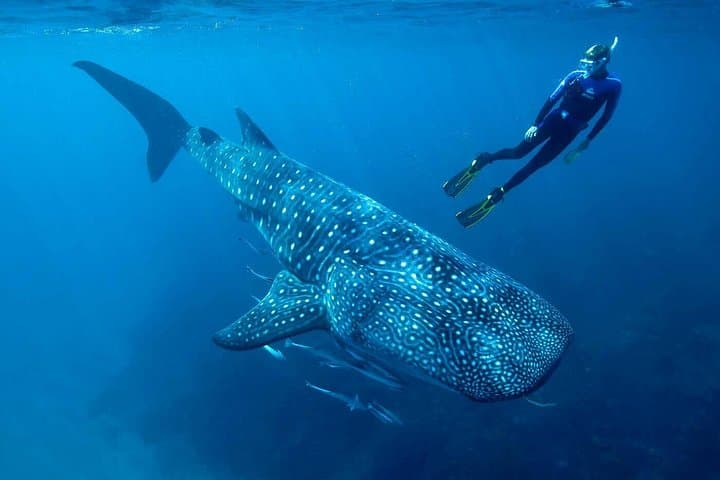
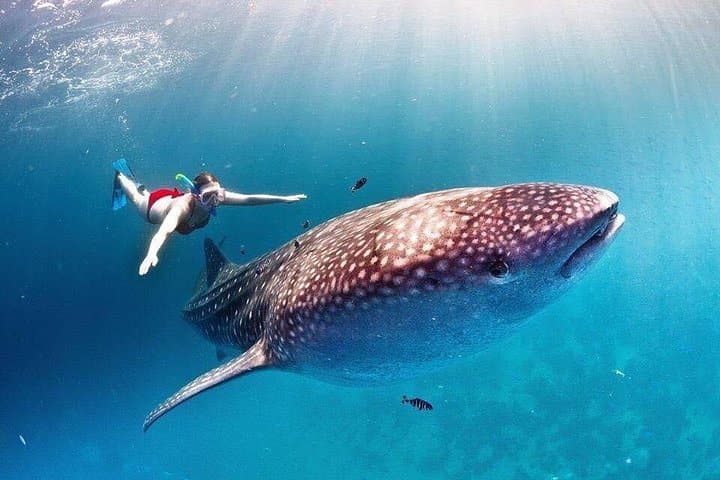
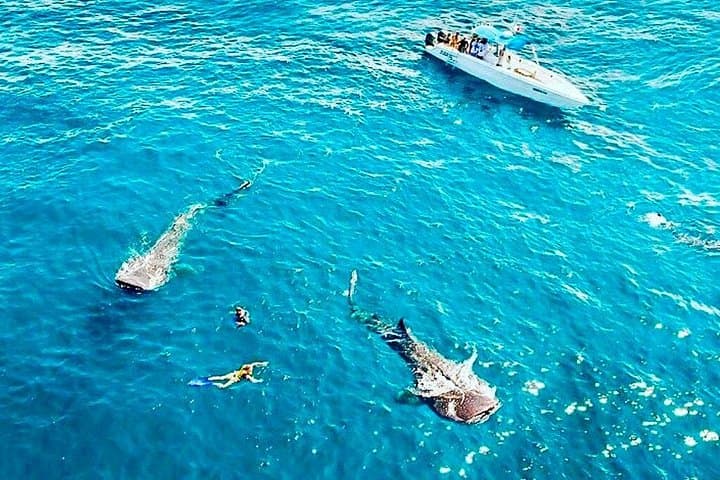
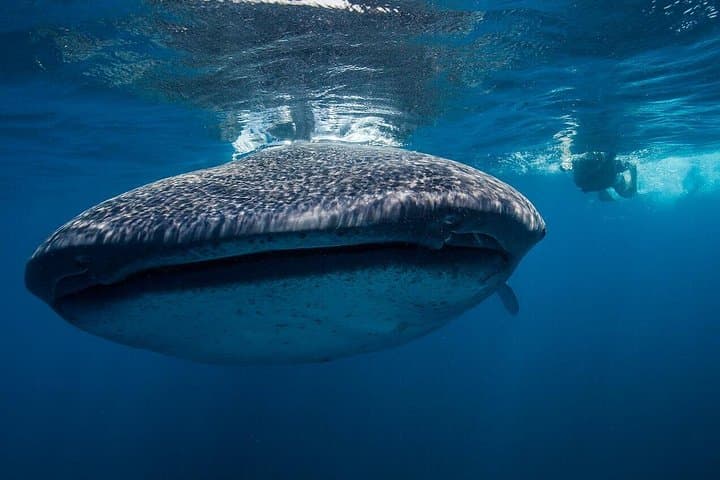
You step onto a low-profile speedboat as salty breeze pulls sharp against your shirt; the Caribbean around Isla Contoy spreads blue and green, and the sea seems to be holding its breath. Guides scan an expanse roughly 260 hectares where whale sharks congregate each summer—slow giants that glide like islands beneath the surface, filtering plankton with the patience of tides.
You step onto a low-profile speedboat as salty breeze pulls sharp against your shirt; the Caribbean around Isla Contoy spreads blue and green, and the sea seems to be holding its breath. Guides scan an expanse roughly 260 hectares where whale sharks congregate each summer—slow giants that glide like islands beneath the surface, filtering plankton with the patience of tides.
This corridor north of Cancún has long been a seasonal gathering place for whale sharks, tied to plankton blooms and currents that funnel food. The geology here—shallow banks and deeper channels—creates productive feeding zones; nearby Isla Contoy is a protected reserve with migratory birds and coral patches that hint at the reef systems to the south. Local fishing communities have shifted toward tourism conservation in recent decades, and bilingual guides combine natural history with strict encounter protocols.
Expect two to three guided swims in pairs with a guide, compulsory life vests, and clear instructions: keep distance, don’t touch, and let the animals guide the moment. The operation typically includes light breakfast, snorkeling equipment, round transport, and a post-swim ceviche on board. Weather and marine conditions shape the day—currents may nudge you along and sun can be intense—so timing, hydration, and reef-safe sunscreen are practical essentials.
For planning: book in the whale shark season (summer), allow a full morning to mid-afternoon, factor in a dock fee (approximately USD 20), and expect basic physical exertion when entering and exiting the water. The reward is elemental—face-to-face time with the world’s largest fish in open water, guided and regulated for safety and minimal disturbance.