THE ADVENTURE COLLECTIVE® · Independent discovery and booking for outdoor travel

Share the water with the world’s largest fish on a small-group snorkel from Cancun, then unwind on Isla Mujeres’ Playa Norte. This guided trip mixes guided swims, wildlife spotting, and a beachside lunch—perfect for travelers who want a single, high-impact day at sea.
Share the water with the world’s largest fish on a small-group snorkel from Cancun, then unwind on Isla Mujeres’ Playa Norte. This guided trip mixes guided swims, wildlife spotting, and a beachside lunch—perfect for travelers who want a single, high-impact day at sea.
You step off the pier and the Caribbean opens—flat, warm, and an inexplicable blue that pulls your attention past the bow. The boat hums forward, guides scanning the horizon; offshore, giant shadows cruise just below the surface. When a whale shark appears, it moves like a slow, patient continent: the ocean parts for it and the current nudges you close enough to feel the swell.
Verified experiences and guided adventures in the surrounding area.
Operated by Top Tour Connection Cancun and Riviera Maya Experts · Cancun, Quintana Roo
You step off the pier and the Caribbean opens—flat, warm, and an inexplicable blue that pulls your attention past the bow. The boat hums forward, guides scanning the horizon; offshore, giant shadows cruise just below the surface. When a whale shark appears, it moves like a slow, patient continent: the ocean parts for it and the current nudges you close enough to feel the swell.
The Yucatán’s relationship with whale sharks spans centuries of coastal fishing and now scientific study and regulated tourism. The animals follow seasonal plankton blooms along the island shelf; the shallow continental shelf here creates the feeding corridors that bring them within snorkeling range. Culturally, Isla Mujeres evolved from a Mayan fishing outpost into a fishing-and-tourism hub—its Playa Norte earns a well-deserved reputation for wide, shallow sandbars that invite afternoon recovery after a morning at sea.
Practical guidance: tours depart early (to match shark activity) and run about seven hours. You’ll swap between short surface swims and boat sight-seeing; lifejackets and basic snorkel gear are provided, but clear personal masks and a secure strap make photos easier. Follow guides’ approach distances, avoid touching the animals, and use reef‑safe sunscreen. Expect occasional waits when sharks are sparse—your window for in-water encounters depends on animal numbers and weather.
Timing, hydration, and respectful behavior are the keys to a memorable encounter: arrive rested, keep movements calm in the water, and let the whale shark lead the interaction. After the swims, Isla Mujeres’ Playa Norte is the perfect place to towel off, refuel with ceviche, and let the day settle into a slow, sun-softened cadence.
No; tours accept participants with moderate swimming ability. Guides provide lifejackets and supervise swims, but you should be comfortable treading and snorkeling in open water.
Whale sharks typically arrive in large numbers in the summer months when plankton blooms are strongest, though exact timing can vary year to year.
No. Regulations and best-practice guidelines require no touching—approach only as directed by guides to avoid stressing the animals.
Operators may offer more sightings, surface-only viewing, or reroute the day toward Isla Mujeres activities; check the cancellation or refund policy before booking.
Top Tour Connection Cancun and Riviera Maya Experts operates guided outdoor trips and adventures with an emphasis on safety, stewardship, and memorable experiences.
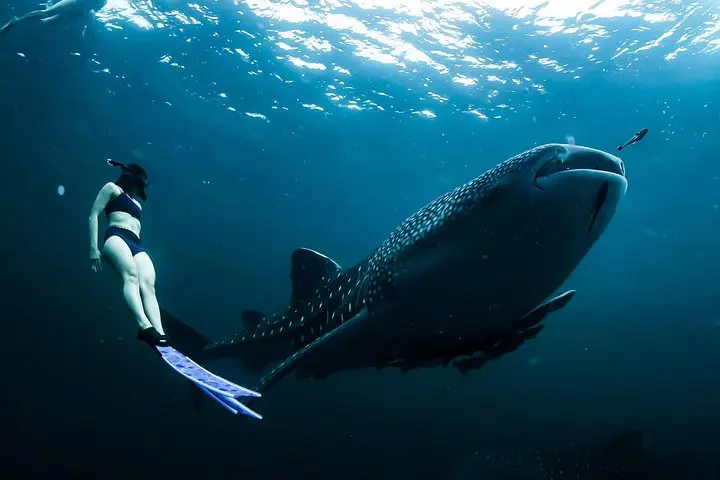
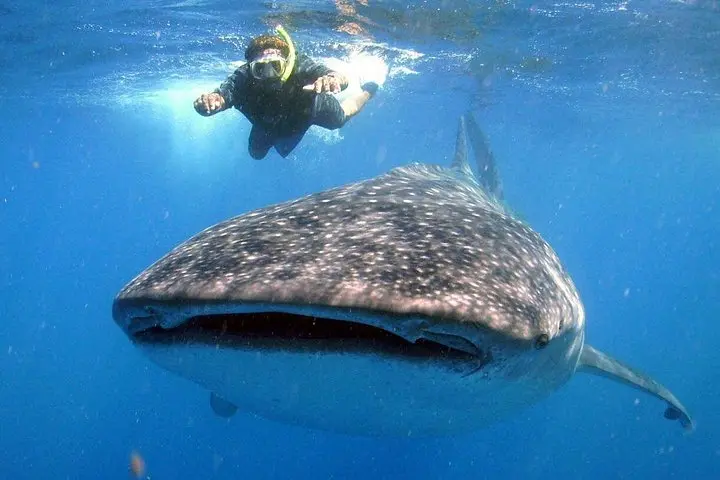
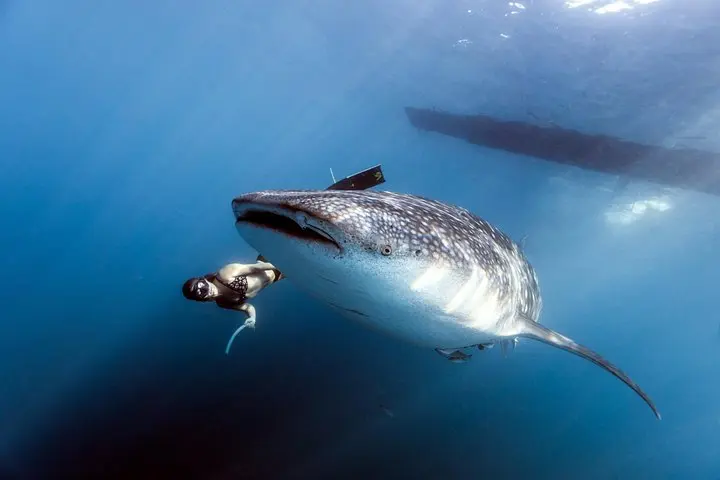
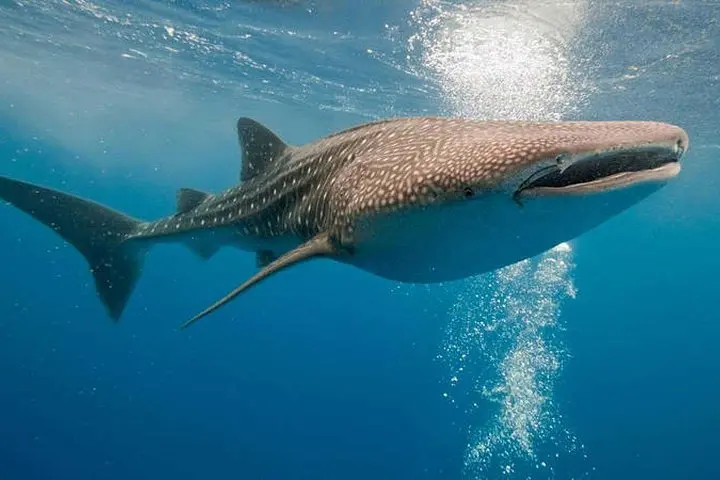
You step off the pier and the Caribbean opens—flat, warm, and an inexplicable blue that pulls your attention past the bow. The boat hums forward, guides scanning the horizon; offshore, giant shadows cruise just below the surface. When a whale shark appears, it moves like a slow, patient continent: the ocean parts for it and the current nudges you close enough to feel the swell.
You step off the pier and the Caribbean opens—flat, warm, and an inexplicable blue that pulls your attention past the bow. The boat hums forward, guides scanning the horizon; offshore, giant shadows cruise just below the surface. When a whale shark appears, it moves like a slow, patient continent: the ocean parts for it and the current nudges you close enough to feel the swell.
The Yucatán’s relationship with whale sharks spans centuries of coastal fishing and now scientific study and regulated tourism. The animals follow seasonal plankton blooms along the island shelf; the shallow continental shelf here creates the feeding corridors that bring them within snorkeling range. Culturally, Isla Mujeres evolved from a Mayan fishing outpost into a fishing-and-tourism hub—its Playa Norte earns a well-deserved reputation for wide, shallow sandbars that invite afternoon recovery after a morning at sea.
Practical guidance: tours depart early (to match shark activity) and run about seven hours. You’ll swap between short surface swims and boat sight-seeing; lifejackets and basic snorkel gear are provided, but clear personal masks and a secure strap make photos easier. Follow guides’ approach distances, avoid touching the animals, and use reef‑safe sunscreen. Expect occasional waits when sharks are sparse—your window for in-water encounters depends on animal numbers and weather.
Timing, hydration, and respectful behavior are the keys to a memorable encounter: arrive rested, keep movements calm in the water, and let the whale shark lead the interaction. After the swims, Isla Mujeres’ Playa Norte is the perfect place to towel off, refuel with ceviche, and let the day settle into a slow, sun-softened cadence.