THE ADVENTURE COLLECTIVE® · Independent discovery and booking for outdoor travel

Board a panga in La Paz Bay for a regulated, small‑group snorkel with whale sharks—50 minutes in the water guided by experienced crew. Learn what to expect, seasonal timing, and practical tips to prepare for this conservation‑minded wildlife encounter.
Board a panga in La Paz Bay for a regulated, small‑group snorkel with whale sharks—50 minutes in the water guided by experienced crew. Learn what to expect, seasonal timing, and practical tips to prepare for this conservation‑minded wildlife encounter.
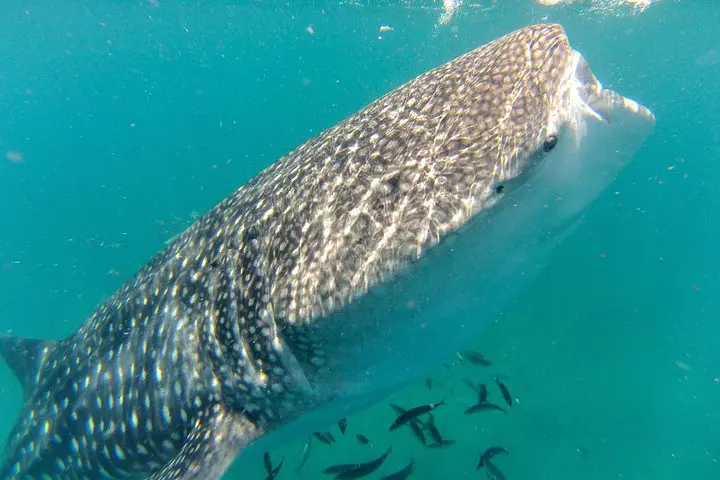
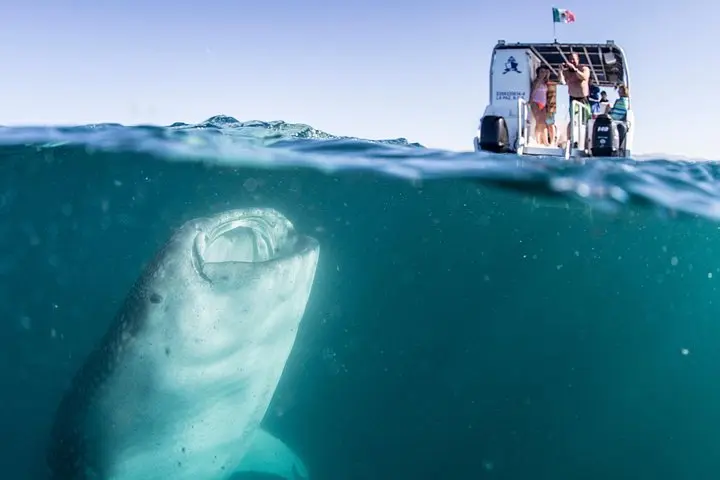
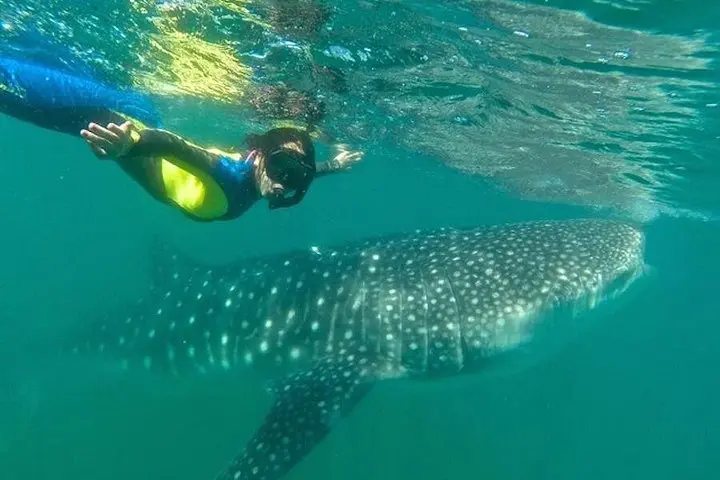
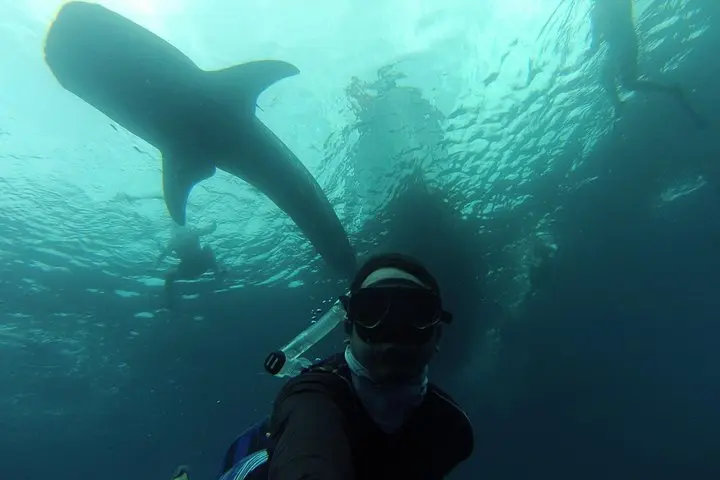
The boat slips from the marina and the city shrinks into a long curve of bay and light. Salted wind pushes across the deck of a 22' panga called Aventura I as guides scan the surface; beneath, the water holds the slow path of the world’s largest fish. In La Paz Bay, whale sharks glide like moving islands, their spotted flanks catching sunlight and the attention of snorkelers for a guided 50‑minute in‑water encounter.
Verified experiences and guided adventures in the surrounding area.
Operated by Sunrider Tours · La Paz, Baja California Sur
The boat slips from the marina and the city shrinks into a long curve of bay and light. Salted wind pushes across the deck of a 22' panga called Aventura I as guides scan the surface; beneath, the water holds the slow path of the world’s largest fish. In La Paz Bay, whale sharks glide like moving islands, their spotted flanks catching sunlight and the attention of snorkelers for a guided 50‑minute in‑water encounter.
La Paz sits on the Sea of Cortez, a place biologist Jacques Cousteau called the 'world’s aquarium' for its dense marine life. The gulf’s geology — deep channels and nutrient upwellings — concentrates plankton, drawing seasonal aggregations of whale sharks and other filter feeders. Local fishing and maritime culture have adjusted around these visits: small pangas, regulated swim groups of five, and strict no‑touch rules reflect a community balancing tourism and protection.
Practically, the outing is a 2–3 hour commitment that includes briefings, transit, and the swim. The operator follows federal rules: staggered departure windows and controlled entry to feeding areas. Participants should be comfortable in open water and able to swim; children under eight and guests with certain medical conditions are restricted. Guides provide equipment, water and snacks, and enforce distance and time limits to minimize disturbance.
For travelers, early booking helps; the encounter is subject to daily wildlife scheduling and may require waiting periods. Bring a snug mask or use the supplied gear, apply reef‑safe sunscreen before boarding, and be ready for an unforgettable, low‑impact meeting with a gentle giant.
Whale sharks are most commonly seen in La Paz from late fall through early spring (roughly October–April), with peak sightings often in winter months.
The guided swim time in the feeding area is about 50 minutes; total trip time including briefings and transit is roughly 2–3 hours.
Whale sharks are filter feeders and not aggressive; the main risks are boat traffic and accidental contact, which guides mitigate with strict no‑touch and distance rules.
No; participants must be competent swimmers and at least eight years old—operators generally require swimmers to be comfortable in open water.
Sunrider Tours operates guided outdoor trips and adventures with an emphasis on safety, stewardship, and memorable experiences.
The boat slips from the marina and the city shrinks into a long curve of bay and light. Salted wind pushes across the deck of a 22' panga called Aventura I as guides scan the surface; beneath, the water holds the slow path of the world’s largest fish. In La Paz Bay, whale sharks glide like moving islands, their spotted flanks catching sunlight and the attention of snorkelers for a guided 50‑minute in‑water encounter.
The boat slips from the marina and the city shrinks into a long curve of bay and light. Salted wind pushes across the deck of a 22' panga called Aventura I as guides scan the surface; beneath, the water holds the slow path of the world’s largest fish. In La Paz Bay, whale sharks glide like moving islands, their spotted flanks catching sunlight and the attention of snorkelers for a guided 50‑minute in‑water encounter.
La Paz sits on the Sea of Cortez, a place biologist Jacques Cousteau called the 'world’s aquarium' for its dense marine life. The gulf’s geology — deep channels and nutrient upwellings — concentrates plankton, drawing seasonal aggregations of whale sharks and other filter feeders. Local fishing and maritime culture have adjusted around these visits: small pangas, regulated swim groups of five, and strict no‑touch rules reflect a community balancing tourism and protection.
Practically, the outing is a 2–3 hour commitment that includes briefings, transit, and the swim. The operator follows federal rules: staggered departure windows and controlled entry to feeding areas. Participants should be comfortable in open water and able to swim; children under eight and guests with certain medical conditions are restricted. Guides provide equipment, water and snacks, and enforce distance and time limits to minimize disturbance.
For travelers, early booking helps; the encounter is subject to daily wildlife scheduling and may require waiting periods. Bring a snug mask or use the supplied gear, apply reef‑safe sunscreen before boarding, and be ready for an unforgettable, low‑impact meeting with a gentle giant.