THE ADVENTURE COLLECTIVE® · Independent discovery and booking for outdoor travel

Board a small skiff off La Paz and swim alongside juvenile whale sharks guided by a marine biologist. Small groups, regulated time slots, and educational briefings make this a memorable—and responsible—open-water encounter.
Board a small skiff off La Paz and swim alongside juvenile whale sharks guided by a marine biologist. Small groups, regulated time slots, and educational briefings make this a memorable—and responsible—open-water encounter.
You push off the skiff and the Sea of Cortez opens like a broad, breathing thing—warm blue, flecked with birds.
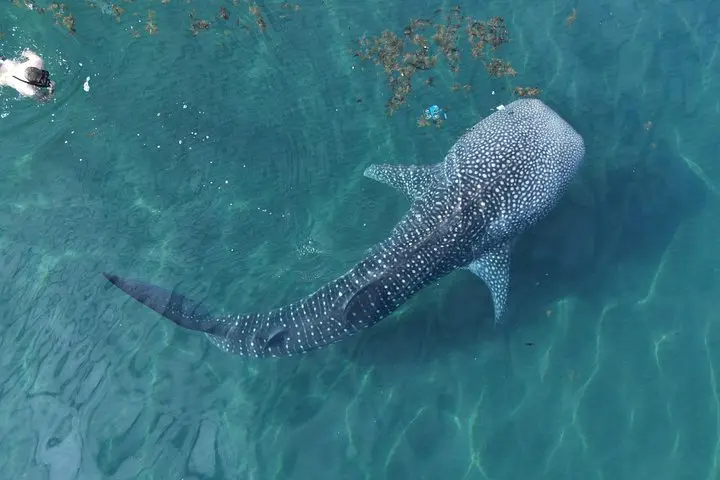
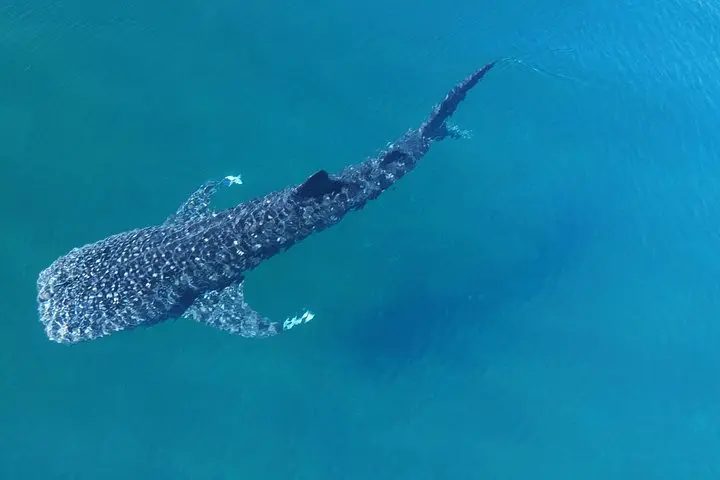
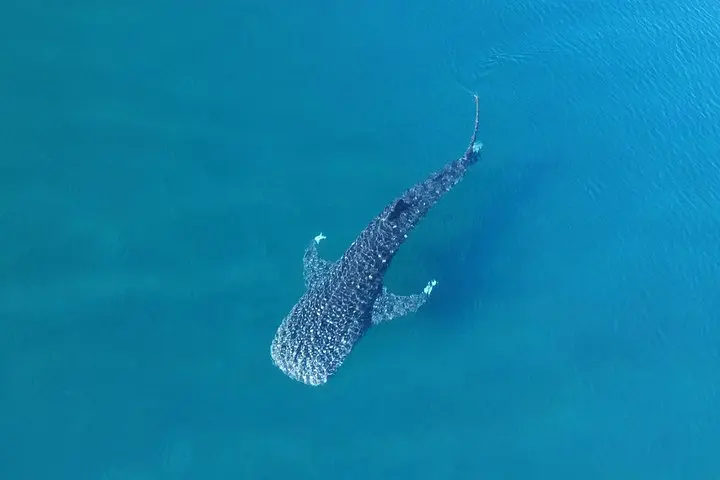
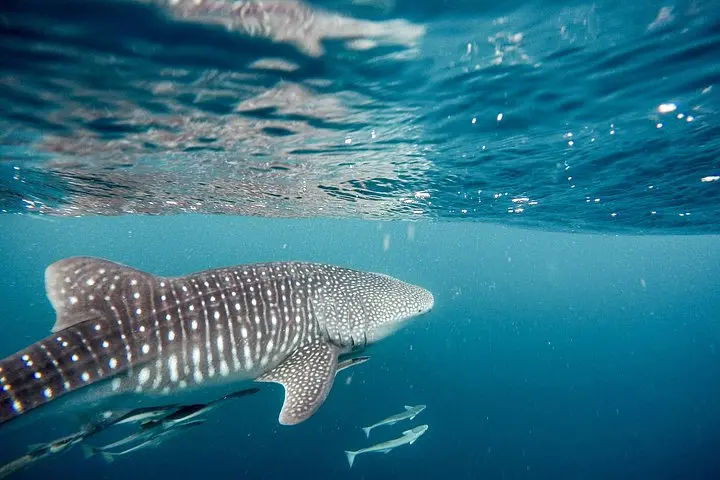
The boat settles and, moments later, a slow shadow arcs beneath the surface: a juvenile whale shark, 4–9 meters of mottled skin and unhurried appetite, cruising through plankton-rich water that feeds much of this gulf’s life.
Verified experiences and guided adventures in the surrounding area.
Operated by Baja Wild Adventures · La Paz, Baja California Sur
You push off the skiff and the Sea of Cortez opens like a broad, breathing thing—warm blue, flecked with birds.
The boat settles and, moments later, a slow shadow arcs beneath the surface: a juvenile whale shark, 4–9 meters of mottled skin and unhurried appetite, cruising through plankton-rich water that feeds much of this gulf’s life.
La Paz sits on an active meeting of currents and nutrients; seasonal upwelling concentrates plankton here, drawing whale sharks each year. Jacques Cousteau famously called the Sea of Cortez “the world’s aquarium,” and the animal encounters around La Paz are part natural history, part careful management—local authorities strictly limit boats, time slots, and contact to reduce disturbance.
On this small-group trip a marine biologist guides interpretation: behavior, identification marks, and why juveniles dominate sightings. The itinerary typically runs about 3–4 hours; only five swimmers enter the water at once, and each encounter is capped at roughly 30 minutes so animals aren’t stressed. Dolphins and seabirds commonly join the scene.
Practical guidance: arrive early, bring reef-safe sunscreen and a lightweight wetsuit if mornings are cool; the operator provides snorkeling gear. Expect intermittent radios and briefings about keeping distance—no touching, slow approaches, and horizontal swims parallel to the shark. If you get seasick, medicate in advance and hydrate onshore.
This is an encounter that combines spectacle with stewardship: you’ll leave with photos, questions answered by a scientist, and a clearer sense of how tourism can support protection in a busy marine corridor.
Encounters are managed in short rotations; typically up to 30 minutes per whale shark with only a few swimmers in the water at a time to minimize stress on the animal.
Participants should be in moderate physical health and comfortable in open water; pregnant travelers and those with major cardiac or spinal issues are usually advised not to participate.
Peak sightings in the La Paz region generally occur during spring and summer months when plankton concentrations attract whale sharks, though exact windows vary year to year.
Operators will cancel for unsafe weather; full refunds are typically available if canceled at least 24 hours in advance, and reschedules are offered when possible.
Baja Wild Adventures operates guided outdoor trips and adventures with an emphasis on safety, stewardship, and memorable experiences.
You push off the skiff and the Sea of Cortez opens like a broad, breathing thing—warm blue, flecked with birds.
The boat settles and, moments later, a slow shadow arcs beneath the surface: a juvenile whale shark, 4–9 meters of mottled skin and unhurried appetite, cruising through plankton-rich water that feeds much of this gulf’s life.
La Paz sits on an active meeting of currents and nutrients; seasonal upwelling concentrates plankton here, drawing whale sharks each year. Jacques Cousteau famously called the Sea of Cortez “the world’s aquarium,” and the animal encounters around La Paz are part natural history, part careful management—local authorities strictly limit boats, time slots, and contact to reduce disturbance.
On this small-group trip a marine biologist guides interpretation: behavior, identification marks, and why juveniles dominate sightings. The itinerary typically runs about 3–4 hours; only five swimmers enter the water at once, and each encounter is capped at roughly 30 minutes so animals aren’t stressed. Dolphins and seabirds commonly join the scene.
Practical guidance: arrive early, bring reef-safe sunscreen and a lightweight wetsuit if mornings are cool; the operator provides snorkeling gear. Expect intermittent radios and briefings about keeping distance—no touching, slow approaches, and horizontal swims parallel to the shark. If you get seasick, medicate in advance and hydrate onshore.
This is an encounter that combines spectacle with stewardship: you’ll leave with photos, questions answered by a scientist, and a clearer sense of how tourism can support protection in a busy marine corridor.